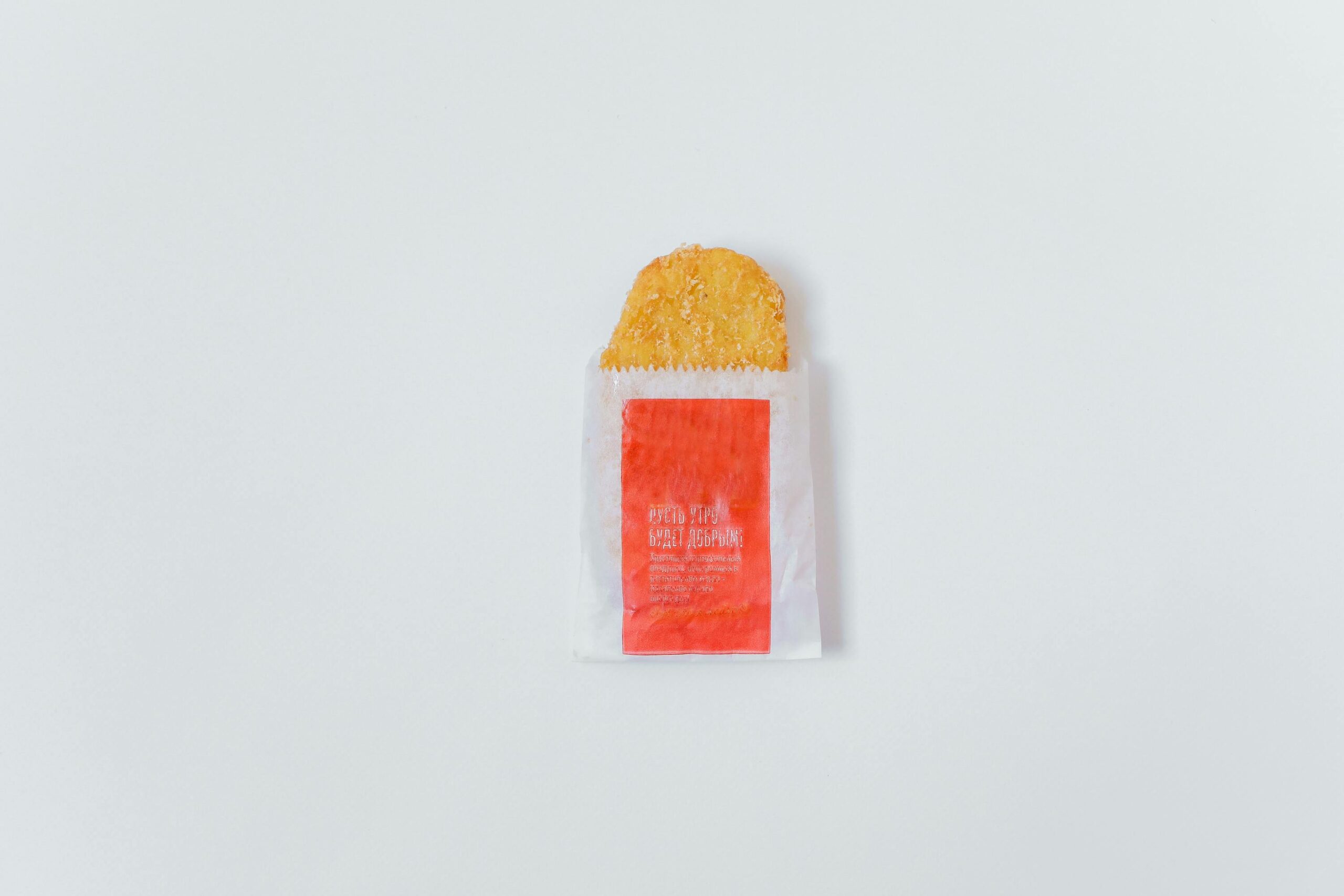
In recent news, the Lidl Hash Brown Recall has sent shockwaves through the grocery aisles, leaving many shoppers wondering about the safety of their favourite breakfast staple. This recall, which affects various batches of hash browns sold in Lidl stores, highlights the importance of being informed consumers. If you love crispy, golden hash browns as part of your morning routine, then this article is essential reading. We’ll explore everything you need to know about the Lidl hash brown recall, including what went wrong, the specific products involved, and how to ensure your eating habits remain safe.
As consumers, we often take for granted that the food we purchase is safe to eat. However, incidents like the Lidl hash brown recall remind us that vigilance is crucial. Recent reports indicate that some batches may contain undeclared allergens or foreign objects, raising serious health concerns. Are you one of the many who may have unwittingly purchased these affected products? In this article, we will not only outline the details of the recall but also provide you with practical tips for checking your pantry and safeguarding your health.
So, what should you do if you have these hash browns at home? Don’t panic! We’ll guide you through the steps to take, ensuring that you can enjoy your meals without worry. Stay tuned as we delve into the specifics of the Lidl hash brown recall and arm yourself with the knowledge to make safe eating choices. After all, being informed is the first step toward a healthier lifestyle!
Understanding the Lidl Hash Brown Recall: Key Facts Every Consumer Must Know

In recent weeks, consumers have been alerted to a recall of Lidl’s hash browns, raising questions about food safety and what it means for shoppers. Understanding the Lidl hash brown recall is crucial for ensuring safe eating and protecting your health. This article aims to clarify the key facts every consumer must know regarding this situation, ensuring you are well-informed when it comes to your grocery purchases.
What Sparked the Recall?
The recall of Lidl hash browns was initiated due to concerns about potential contamination. Reports suggested that certain batches of these popular frozen products may have been affected by undeclared allergens. Specifically, it was found that some hash brown products might contain traces of gluten, which is a significant risk for individuals with gluten sensitivity or celiac disease. The Food Standards Agency (FSA) has been involved in addressing these issues, leading to the decision to pull the products from shelves.
List of Affected Products
Consumers should be aware of what specific products are involved in this recall. Here’s a handy list of the Lidl hash brown products that have been affected:
- Lidl Hash Browns 750g
- Lidl Hash Brown Wedges 750g
- Lidl Extra Crispy Hash Browns 1kg
It’s important to check the packaging for the batch numbers. The batches that are subject to the recall are those with specific expiration dates. Always refer to Lidl’s official communication for the precise details.
How to Identify Affected Products
You might be wondering how to identify if your hash browns are part of the recall. Here are some steps to take:
- Check Packaging: Look for the batch numbers and expiration dates on the packaging.
- Review Recalls: Visit Lidl’s website or the FSA’s website to see their official recall announcement, which includes images and details of affected products.
- Contact Customer Service: If unsure, reach out to Lidl customer service for confirmation.
Consumer Safety Precautions
When faced with a food recall, it’s vital to take precautions. Here are some actions consumers should consider:
- Stop Consumption: If you have any of the affected products, avoid eating them.
- Return or Dispose: Return the products to the point of purchase for a full refund or safely dispose of them.
- Stay Informed: Keep an eye on updates from Lidl or food safety authorities regarding this recall and any future recalls.
Historical Context of Food Recalls
Food recalls are not new, and they highlight an ongoing concern regarding food safety in the industry. In fact, over the last decade, there have been numerous high-profile recalls affecting a wide range of food items. Some notable instances include:
- Peanut Butter Recall: In 2009, a major peanut butter recall affected numerous brands due to salmonella contamination.
- Spinach Recall: In 2006, spinach was recalled after an E. coli outbreak, leading to serious health issues for many consumers.
These examples show that food safety is an ongoing challenge, necessitating vigilance from both producers and consumers alike.
What Should Consumers Know Moving Forward?
As consumers of Lidl hash browns, or any food products for that matter, it’s imperative to stay alert about recalls. Here are few tips to keep in mind:
- Read Labels Carefully: Always read labels, especially for allergens.
- Follow Social Media: Follow Lidl’s social media channels for real-time updates on recalls or safety notices.
- Educate Yourself: Familiarise yourself with food safety guidelines and best practices for handling food in your home.
The Importance of Consumer Awareness
Consumer awareness in food safety is absolutely essential. The Lidl hash brown recall serves as a reminder that food products can sometimes pose risks. By staying informed and proactive, you can safeguard your health and that of your family.
Always remember that food recalls can happen unexpectedly, and knowing how to react can make a significant difference. Keep an eye on your pantry and freezer, and don’t hesitate to check your items against recall lists. Awareness is key in ensuring that your meals are safe and enjoyable.
In the end, staying informed about food recalls like that of Lidl’s hash browns isn’t just about avoiding allergens—it’s about making sure the food we eat is safe and healthy.
Top 5 Safety Tips for Enjoying Hash Browns After the Lidl Recall

In recent weeks, Lidl made headlines with their hash brown recall due to potential contamination. This has raised concerns among consumers who love this breakfast staple. So, how can you still enjoy your hash browns safely? Here’s a rundown of the top 5 safety tips to keep in mind, especially after the Lidl hash brown recall. Knowing what to do can help you feel more secure in your food choices.
Understand the Recall Details
First things first, it’s crucial to know why the recall happened. Lidl announced the recall after discovering that some batches of their hash browns might contain small pieces of plastic. While it might sound alarming, understanding the scope of the recall can help you make informed decisions. Here’s a summary of the key details:
- Product: Lidl hash browns, specifically certain batches.
- Reason for Recall: Potential contamination with plastic.
- Affected Dates: Products packaged before a specific date (you should check Lidl’s official site for the exact date).
- Advice: Return any affected products for a refund or dispose of them safely.
Check Your Freezer
Before you rush to the store, it’s important to check your freezer. If you’ve recently bought hash browns from Lidl, take a look at the packaging. If it matches the recall information, don’t consume it. Even if you think it looks fine, better safe than sorry! Here’s what to do:
- Inspect Packaging: Look for batch numbers and expiration dates.
- Dispose Safely: If it’s recalled, throw it away to prevent any accidents.
- Keep Receipts: If you bought them recently, retain any receipts for a potential refund when you return the product.
Stay Informed About Food Safety
Staying updated on food recalls is a good practice, especially for those who love to cook. You can sign up for food safety alerts from various sources. Here’s how you can keep yourself informed:
- Government Websites: Check the Food Standards Agency (FSA) for the latest recalls.
- Social Media: Follow Lidl and food safety organisations on platforms like Twitter and Facebook.
- News Outlets: Regularly read food safety sections in local news for updates.
Cook Hash Browns Properly
If you’re purchasing hash browns that are not affected by the recall, cooking them properly is key. Improper cooking can lead to health risks. Here’s a simple guide to making sure your hash browns are cooked well:
- Frozen Hash Browns: Cook them directly from frozen for best results.
- Oil Temperature: Make sure the oil is hot enough before adding the hash browns. This prevents sogginess and ensures even cooking.
- Cooking Time: Generally, cook for about 4-5 minutes on each side or until golden brown.
Consider Alternative Options
If you’re feeling uneasy about buying hash browns after the Lidl recall, there are plenty of alternatives. You can make your own hash browns at home using fresh potatoes, which can be a healthier and safer option. Here’s a quick recipe:
- Ingredients: Potatoes, salt, pepper, and oil.
- Preparation:
- Peel and grate potatoes.
- Rinse with cold water to remove excess starch.
- Squeeze out the water and season with salt and pepper.
- Cooking: Heat oil in a pan, add grated potatoes, flatten with a spatula, and cook until crispy.
Be Mindful of Allergies and Dietary Restrictions
Finally, if you have any allergies or dietary restrictions, be especially vigilant. Some store-bought hash browns can contain allergens like gluten, dairy, or preservatives. Always read the labels carefully. Here’s what to keep in mind:
- Check Ingredients: Look out for allergens listed on the packaging.
- Consult Store Staff: If in doubt, ask Lidl staff for more information on product ingredients.
- Alternative Brands: Consider other brands that are known for catering to specific dietary needs.
After the Lidl hash brown recall, it’s understandable to be more cautious about what you eat. By following these tips, you can still enjoy hash browns while keeping safety as your top priority. Remember, being informed and careful can help you enjoy your meals without worries!
Is Your Lidl Hash Brown Pack Affected? Here’s How to Check the Recall Status
The recent Lidl hash brown recall has left many shoppers concerned about the safety of their frozen snacks. If you’ve recently purchased these popular potato products, you may be wondering: Is your Lidl hash brown pack affected? Here’s how to check the recall status and what you need to know for safe eating.
What’s Going On with the Recall?
In October 2023, Lidl announced a recall of certain batches of their hash browns due to potential contamination with a foreign object. This prompted a wave of concern among customers, as these crispy treats are a staple in many households. The company stated that the recall was a precautionary measure, but it’s crucial for consumers to take it seriously.
Why Was the Recall Issued?
The recall was triggered when Lidl received reports from customers who found bits of plastic within the hash brown packs. While no injuries have been reported, the presence of foreign objects in food can pose serious health risks. Lidl is committed to ensuring the safety of its products, and as such, they have urged customers to check their purchases.
How to Check If Your Hash Browns Are Affected
To find out if your hash brown pack is part of the recall, you can follow these simple steps:
Look for the Product Code: The affected packs have specific product codes printed on the packaging. Check your hash brown bag for the following details:
- Product Name: Lidl Hash Browns
- Pack Size: Typically 1 kg
- Best Before Dates: Look for dates on or before 06/2025
Check Lidl’s Official Website: The company has posted detailed information about the recall on their website. They might have a dedicated section for product recalls where you can enter your product information.
Contact Customer Service: If you’re unsure, calling Lidl’s customer service can provide clarification. They have representatives who can help you determine if your product is affected.
Visit Your Local Store: If you prefer in-person assistance, visiting a Lidl store can also help. Staff members can check the product codes for you.
What to Do If Your Hash Browns Are Affected
If you find that your hash brown pack is part of the recall, here’s what you should do:
- Do Not Consume: It’s important to refrain from eating the product.
- Return the Product: Bring the affected pack back to the store where you purchased it for a full refund.
- Report Any Issues: If you’ve already consumed the product and experienced any adverse effects, report it to Lidl and seek medical advice if necessary.
Safety Precautions When Buying Frozen Foods
To ensure that you and your family are consuming safe food, consider these tips when buying frozen products:
- Always Check Expiry Dates: Make sure to check best before and use by dates before purchasing.
- Inspect Packaging: Look for any signs of damage or tampering on the packaging before buying.
- Buy from Reputable Sources: Stick to trusted grocery chains known for their quality control measures.
Comparing Lidl Hash Browns to Other Brands
When it comes to frozen hash browns, Lidl is not the only brand available. Here’s a quick comparison of Lidl’s hash browns with other popular brands:
| Brand | Texture | Price Range | Recall History |
|---|---|---|---|
| Lidl | Crispy | £1-£2 | Recent recall in 2023 |
| McCain | Fluffy | £2-£3 | No recent recalls |
| Aldi | Golden | £1-£2.50 | No recent recalls |
| Birds Eye | Traditional | £2-£4 | No recent recalls |
The Importance of Food Safety
Understanding the significance of food safety cannot be overstated. Food recalls are a regular occurrence, and staying informed is essential for preventing foodborne illnesses. Lidl’s proactive measures in recalling their hash browns highlight the importance of vigilance when it comes to food safety.
In light of the recent Lidl hash brown recall, it’s essential to act quickly and check your products. With simple steps, you can ensure that you and your family are safe from potential hazards. Always stay informed and don’t hesitate to reach out to the store or the manufacturer if you have questions. Safe eating starts with being aware!
What Caused the Lidl Hash Brown Recall? Insights from Food Safety Experts
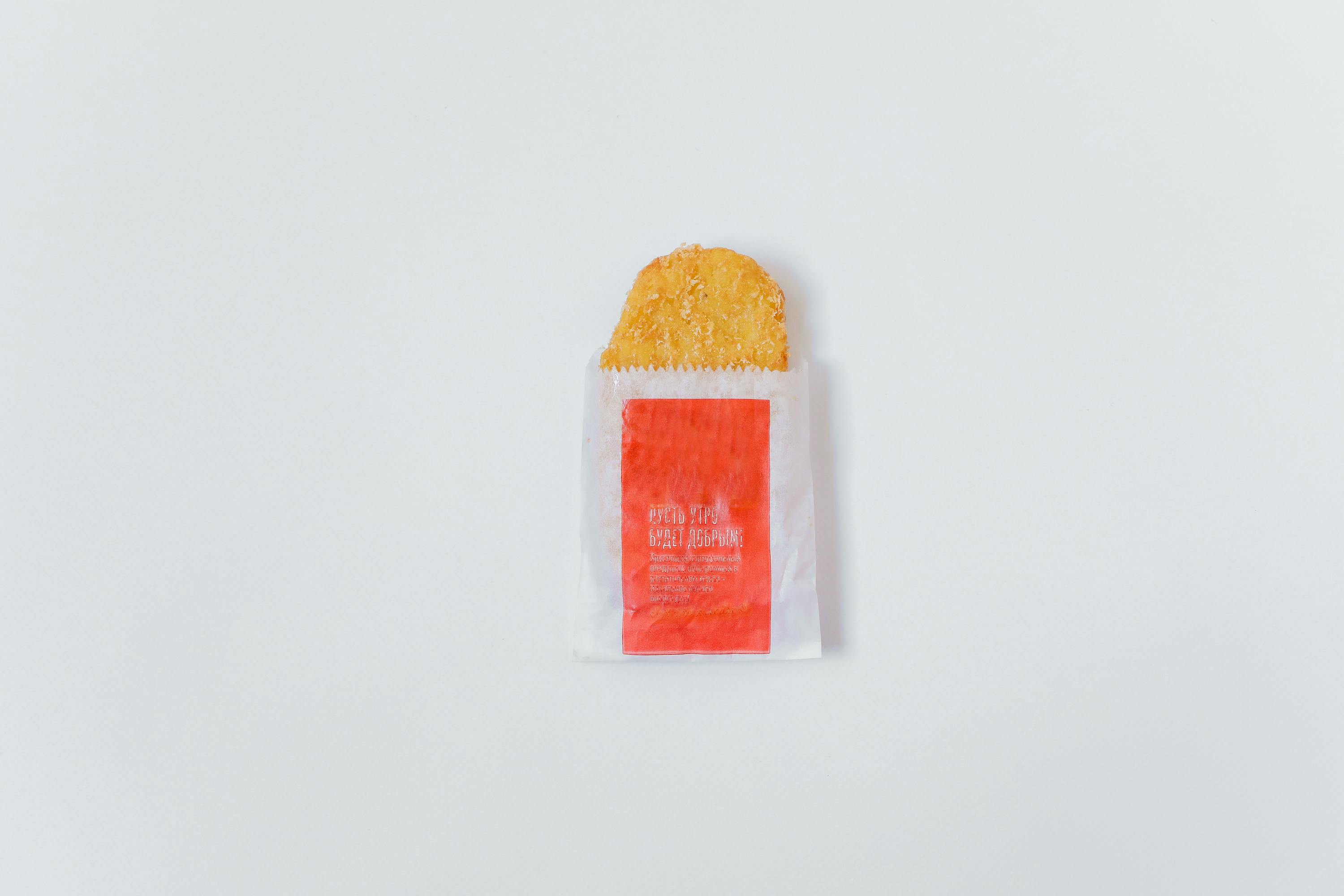
In recent weeks, the Lidl hash brown recall has made headlines, raising concerns among consumers about food safety. The recall, which affected a variety of frozen hash brown products, was prompted by potential contamination with harmful substances. Food safety experts have weighed in, providing valuable insights into what actually caused this recall and what consumers need to know to stay safe.
What Caused the Lidl Hash Brown Recall?
The Lidl hash brown recall was initiated after routine testing uncovered a possible contamination risk. It was reported that some batches of these popular potato products might be tainted with unsafe levels of acrylamide, a chemical compound that forms in starchy foods during high-temperature cooking processes, such as frying or baking. Acrylamide is a concern because it has been linked to cancer in laboratory animals, leading health authorities to recommend limiting its consumption.
- Key factors leading to the recall:
- Detection of elevated acrylamide levels in certain batches.
- Compliance issues with food safety regulations.
- Consumer complaints and reports of odd tastes and smells.
Understanding Acrylamide and Its Risks
Food safety experts emphasise the importance of understanding acrylamide as a potential health hazard. Here’s what you should know:
What is Acrylamide?
- A chemical formed when certain foods are cooked at high temperatures.
- Found in various fried or baked goods, including chips, crackers, and even coffee.
Health Risks:
- Long-term exposure in animals has shown a connection to cancer.
- The International Agency for Research on Cancer (IARC) classifies acrylamide as a probable human carcinogen.
Lidl’s Response to the Recall
Lidl acted quickly upon discovering the issue, issuing a recall to protect consumers. They urged customers to check their freezers for affected products and provided clear instructions on how to return them. Here are some details about the recall:
Affected Products:
- Specific brands and sizes of frozen hash browns—often sold in 1 kg bags.
- Best before dates that fall within the last few months should be checked.
Customer Guidance:
- Return any affected products to the nearest Lidl store for a full refund.
- Keep receipts if possible, but it’s not mandatory for returns.
What Consumers Should Do
If you’ve purchased hash browns from Lidl recently, you should take these steps to ensure your safety:
Check Your Freezer:
- Look for any bags of frozen hash browns with the recall label.
Read Labels:
- Verify the product name and best before dates against Lidl’s official recall list.
Dispose of Affected Products:
- If you find any contaminated items, discard them safely and avoid consumption.
Stay Informed:
- Follow Lidl’s website or check their social media for updates and further instructions.
The Broader Context of Food Safety Recalls
Food recalls are not uncommon in today’s market. They can stem from various issues, including contamination, mislabeling, or foreign object presence. Learning from past incidents can help consumers remain vigilant. Here are some notable similarities with previous recalls:
Common Causes of Recalls:
- Bacterial contamination (like E. coli or Salmonella).
- Undeclared allergens (such as nuts or gluten).
- Chemical contamination (like acrylamide).
Historical Examples:
- In 2020, a popular peanut butter brand recalled its products due to possible Salmonella contamination.
- A year prior, certain salad mixes were pulled from shelves after Listeria was detected.
Final Thoughts
The Lidl hash brown recall underlines the importance of food safety and consumer awareness. While it may seem alarming, such recalls are a critical part of maintaining food safety standards. By staying informed and taking proactive steps, consumers can help protect themselves from potential health risks associated with contaminated food products. Always be cautious about what you’re eating, and don’t hesitate to act if you suspect that something isn’t right with your food.
Consumer Guide: Navigating the Lidl Hash Brown Recall for Safe Eating Practices
Lidl, a popular discount supermarket chain, recently announced a recall of its hash browns. This move has left many consumers scratching their heads and wondering what to do next. It’s important to stay informed and take the right steps for safe eating practices during this recall. Here’s a consumer guide that navigates you through the Lidl hash brown recall, ensuring you know what actions to take and how to keep yourself and your family safe.
What Happened with the Lidl Hash Brown Recall?
The Lidl hash brown recall was prompted by the discovery of potential contamination with foreign materials, specifically pieces of plastic. This can pose serious health risks if ingested, leading to choking hazards or other injuries. The affected products were distributed across multiple states, including New York, causing quite a stir among shoppers.
Details of the Recall
Here’s the essential information you should know about the Lidl hash brown recall:
- Product Name: Lidl Hash Browns
- Size: 1 kg bags
- Best Before Dates: Various dates; check your packaging
- Supplier: This product is manufactured by a third-party supplier for Lidl.
It’s crucial to check your freezer for any affected bags and to keep an eye on the news for updates from Lidl.
How to Identify Affected Products
Identifying whether your hash browns are part of the recall is pretty simple. Look for the below details on your packaging:
- Packaging should clearly state “Hash Browns”
- Best before dates printed on the bag
- UPC code (this can help confirm if your product is included in the recall)
If you find that your hash browns match these criteria, it’s best to err on the side of caution.
Safe Eating Practices During a Recall
Recalls can be overwhelming, but taking the right steps can help you navigate this situation smoothly. Here’s a list of safe eating practices to follow during the Lidl hash brown recall:
- Check for Recalls: Regularly visit the official Lidl website or the FDA’s recall page for updates on food safety.
- Dispose of Affected Products: If your hash browns are included in the recall, do not consume them. Dispose of them immediately or return them to the store for a refund.
- Educate Yourself on Food Safety: Understanding how to handle food recalls is key. Learn to read labels and check for recall notices on products you buy.
- Stay Informed: Follow local news channels and social media for timely updates, as more information may emerge regarding recalls or food safety issues.
What to Do if You Have the Affected Product
If you’ve found that you own the recalled Lidl hash browns, here’s what you can do:
- Stop Using the Product: Do not consume the product and keep it away from children and pets.
- Return to Store: Take the product back to Lidl for a full refund. Make sure to bring your receipt if you have it.
- Report Issues: If you experience any adverse effects after consuming the product, contact your healthcare provider and report the incident to Lidl or the FDA.
Historical Context of Food Recalls
Food recalls have become more common as safety standards improve. Over the past few decades, awareness about food safety has increased significantly. Foodborne illnesses can be serious and sometimes fatal, leading to strict regulations and testing protocols for food products. This recent Lidl recall is a reminder of the importance of consumer vigilance.
Comparing Food Safety Practices
Here’s a brief comparison of how different countries handle food recalls:
- United States: The FDA oversees recalls and provides information through their website.
- United Kingdom: The Food Standards Agency (FSA) does similar work, ensuring the public is informed about food safety issues.
- Australia: The Food Safety Australia New Zealand (FSANZ) manages recalls and consumer safety messages.
Each country aims to protect consumers, but the processes and communication may vary.
In Summary
Navigating a food recall can be daunting, but with the right information and practices, you can keep yourself and your family safe. The Lidl hash brown recall serves as a crucial reminder of the importance of food safety. Regularly check your pantry, stay informed, and don’t hesitate to report any issues. Being proactive during recalls not only helps you but also contributes to a safer food environment for everyone. Always prioritise safety over convenience, and you can enjoy your meals without worry.
Conclusion
In conclusion, the recent recall of Lidl hash browns highlights the importance of food safety and consumer awareness. The potential presence of undeclared allergens poses a serious risk, particularly for those with dietary restrictions. Throughout this article, we have examined the specific products affected, the reasons behind the recall, and the steps Lidl has taken to address the situation. It is crucial for consumers to stay informed about such recalls and to check their cupboards for any impacted items. If you have purchased the affected hash browns, please follow the recall instructions provided by Lidl to ensure your safety. As food safety remains a shared responsibility, we encourage everyone to report any concerns regarding food products to relevant authorities and to remain vigilant in checking product labels. By staying informed and proactive, we can contribute to a safer food environment for all.