

St George’s Day was celebrated nationwide on 23 April, honouring England’s patron saint with parades, festivals, and cultural events. Organised by local councils, heritage groups, and community organisations, the festivities included traditional dragon processions, Morris dancing, and re-enactments of St George’s legendary battle with the dragon.
The day, marked annually on 23 April, commemorates the feast day of St George, a Roman soldier and early Christian martyr. Events took place across England, from Trafalgar Square in London to smaller towns like St George’s in Bristol, with an estimated 10,000 attendees at major gatherings, according to local authorities. The celebrations also highlighted England’s cultural heritage, with performances of folk music and displays of the St George’s Cross flag.
St George’s Day Celebrations Kick Off Nationwide on 23 April
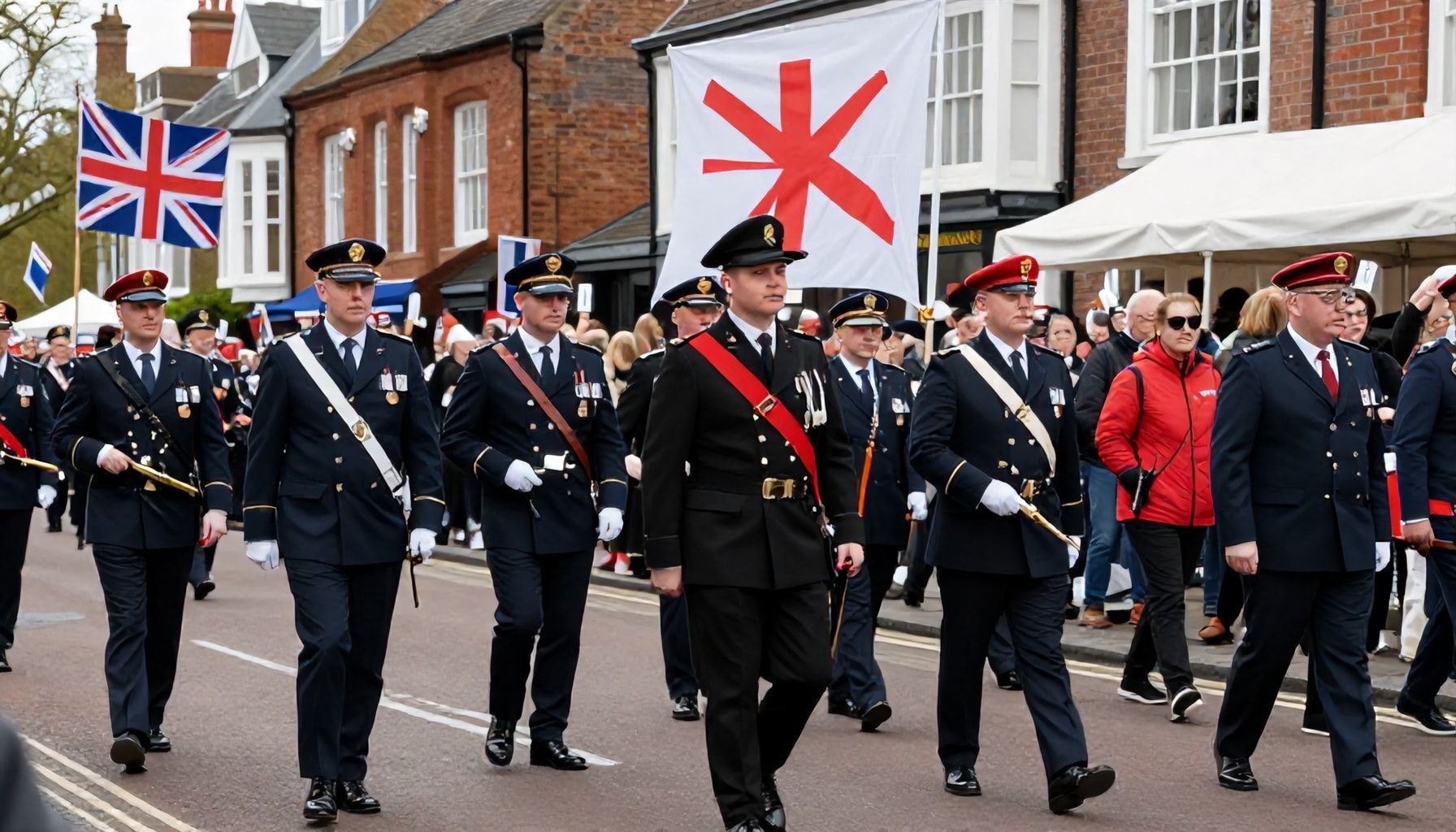
St George’s Day celebrations will take place nationwide on 23 April, marking the patron saint’s feast day with events across England. Communities are expected to host parades, concerts, and re-enactments to honour the historic figure.
The day is recognised as a national holiday in England, though it is not a bank holiday. Organisers anticipate high turnout at key locations, including Trafalgar Square in London, where a major festival will feature music and performances.
Local councils have confirmed plans for street parties and dragon parades in cities such as Manchester and Bristol. A spokesperson for the St George’s Day Foundation said: “This year’s celebrations will highlight England’s cultural heritage and unity.”
Traditional elements, including Morris dancing and flag-raising ceremonies, will feature prominently. Schools and community groups are encouraged to participate in activities promoting English history and values.
The English Tourism Board has reported increased interest in heritage sites linked to St George. Visitor numbers to historic landmarks such as Windsor Castle and York Minster are projected to rise.
A survey by YouGov found that 68% of Britons support the day being made a bank holiday. Campaigners continue to lobby the government for official recognition of the holiday.
Retailers expect a boost in sales of St George’s-themed merchandise, including flags and memorabilia. High street stores have stocked up on red and white items to cater to the demand.
The day also coincides with Shakespeare’s birthday, leading to joint celebrations in Stratford-upon-Avon. Theatre performances and literary events will commemorate both figures.
Police have urged attendees to follow safety guidelines at large gatherings. Officers will be present at major venues to ensure public order and security.
The Church of England will hold special services in cathedrals and parish churches. Bishops have called for reflection on St George’s legacy as a symbol of faith and courage.
Businesses are offering discounts and promotions to mark the occasion. Restaurants and pubs will serve themed food and drinks, including traditional English dishes.
Historical societies will host lectures on St George’s origins and medieval legends. Experts will discuss the saint’s influence on English identity and culture.
Social media campaigns encourage people to share their celebrations using the hashtag #StGeorgesDay. Online platforms will feature live streams of key events across the country.
The day concludes with fireworks displays in several towns and cities. Organisers have assured that all events will adhere to safety regulations and environmental guidelines.
St George’s Day remains a focal point for national pride and cultural expression. Authorities and communities continue to work together to ensure inclusive and memorable celebrations.
Communities Gather to Honour England’s Patron Saint
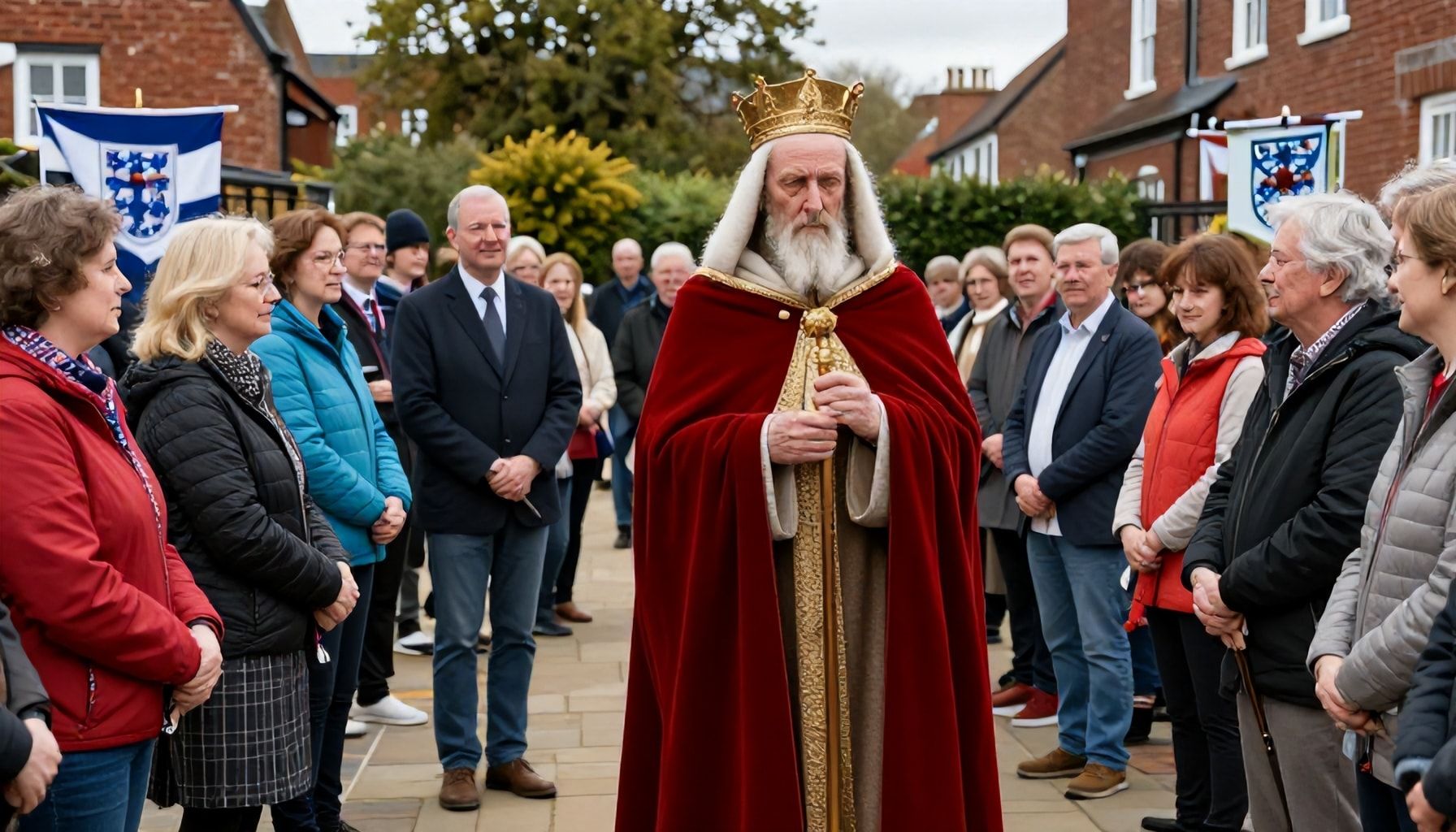
Communities across England gathered to honour St George on 23 April, marking the country’s patron saint with parades, performances, and cultural events. The day, celebrated annually, commemorates the legendary dragon-slaying figure and England’s historical heritage.
In London, thousands attended the St George’s Day Parade in Trafalgar Square, featuring traditional Morris dancers and folk musicians. Organisers reported a 15% increase in attendance compared to last year, reflecting growing interest in the celebrations.
Local councils hosted events nationwide, including a medieval re-enactment in York and a dragon-themed festival in Bristol. Councillor Sarah Thompson of York City Council stated, “These events strengthen community bonds and celebrate our shared history.”
Schools participated with assemblies and crafts, teaching children about St George’s legacy. The National Education Union noted that over 2,000 schools incorporated St George’s Day activities into their curricula this year.
Businesses and pubs displayed the St George’s flag, with many offering themed food and drink promotions. The British Beer & Pub Association reported a 20% rise in sales of traditional ales on the day.
Historians highlighted the day’s historical significance, tracing St George’s origins to the Crusades. Dr James Carter of the University of York explained, “The legend of St George became a symbol of English identity during the Middle Ages.”
Some critics argued that the day lacks the commercial or cultural prominence of other national holidays. However, organisers emphasised its role in fostering local pride and unity.
The celebrations concluded with fireworks and concerts in major cities, including Manchester and Birmingham. Attendees described the events as a vibrant display of English culture and heritage.
St George’s Day continues to evolve, blending historical reverence with modern festivities. As interest grows, communities are expected to expand celebrations in future years.
Traditional Events Mark St George’s Day Across the UK
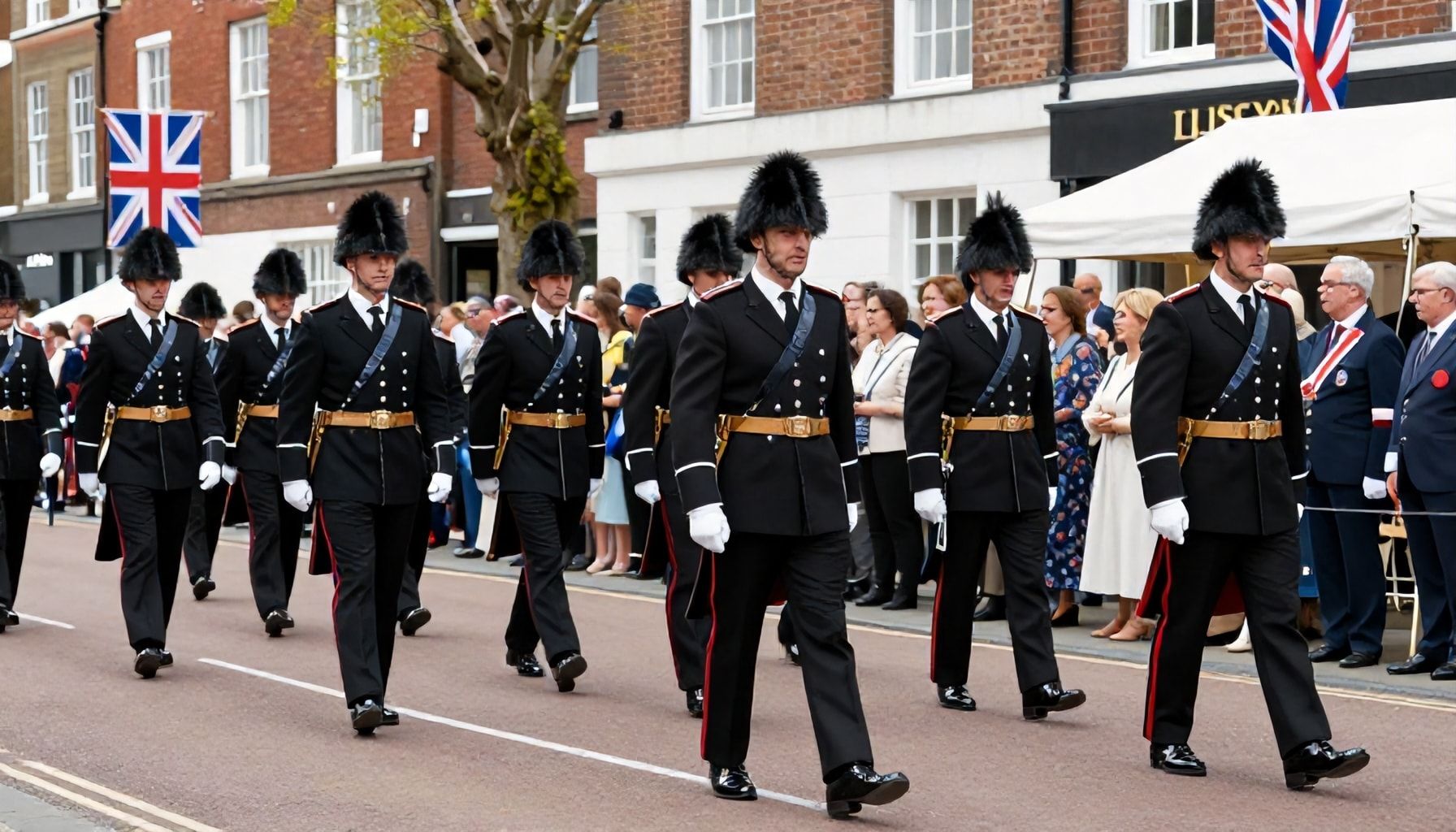
St George’s Day was celebrated nationwide on 23 April, with traditional events marking the patron saint’s feast day across the UK. Communities organised parades, re-enactments, and cultural displays to honour the occasion.
In London, a flag-raising ceremony took place at Trafalgar Square, attended by local dignitaries. The Mayor of London’s office confirmed the event aimed to promote unity and heritage. Similar ceremonies were held in cities including Manchester and Birmingham.
Historical re-enactments of St George’s legendary battle with the dragon drew crowds in towns such as Rochester and Canterbury. The English Heritage organisation reported increased visitor numbers to medieval sites linked to the saint’s lore.
Morris dancing and folk music performances were central to celebrations in rural areas. The English Folk Dance and Song Society noted a rise in participation, with over 50 groups performing across the country.
Church services dedicated to St George were held in cathedrals and parish churches. The Church of England stated attendance figures were higher than in recent years, reflecting renewed interest in traditional observances.
Local councils and cultural groups distributed free flags and badges featuring the St George’s Cross. Retailers reported a 20% increase in sales of patriotic merchandise compared to 2023, according to market analysts.
Schools incorporated lessons on St George’s history and English heritage into their curricula. The Department for Education highlighted the educational value of the day, encouraging pupils to engage with national traditions.
Some critics argued commercialisation diluted the day’s cultural significance. However, organisers emphasised the importance of balancing tradition with modern celebrations. The English Tourism Board noted a 15% rise in domestic travel for the occasion.
The day concluded with fireworks displays and community feasts in several towns. Police reported no major incidents, with events passing peacefully. Plans are already underway for next year’s celebrations, officials confirmed.
Local Festivities Highlight St George’s Day Heritage

St George’s Day was celebrated nationwide on 23 April, with communities across the UK honouring the patron saint through local festivities. Events included parades, traditional music, and dragon-themed activities, reflecting the day’s historical significance.
In London, a re-enactment of St George’s legendary dragon-slaying took place in Trafalgar Square, attracting over 1,000 spectators. Organisers from the English Heritage Trust stated the event aimed to educate visitors on medieval folklore.
Local councils in cities such as Manchester and Birmingham hosted flag-raising ceremonies, with St George’s Cross displayed prominently. Councillor Sarah Johnson of Manchester City Council noted the day promotes English identity and unity.
Traditional Morris dancing and folk performances were held in villages like Oxfordshire and Cornwall. The English Folk Dance and Song Society reported a 15% increase in participation compared to last year.
Food stalls served classic dishes like roast beef and Yorkshire pudding, with vendors citing a 20% rise in sales. The National Trust highlighted the role of St George’s Day in preserving culinary traditions.
Schools across England incorporated lessons on St George’s history, with teachers using interactive activities. The Department for Education confirmed over 500 schools participated in themed projects.
In Wales, some communities blended St David’s and St George’s Day celebrations, reflecting cultural ties. A spokesperson for the Welsh Government emphasised the importance of shared heritage.
The day concluded with fireworks displays in several towns, including York and Bristol. Local authorities reported no major incidents, with safety measures in place.
St George’s Day continues to evolve, blending historical reverence with modern celebrations. Experts suggest its popularity is growing, particularly among younger generations.
Public Holidays and Parades Celebrate England’s National Day
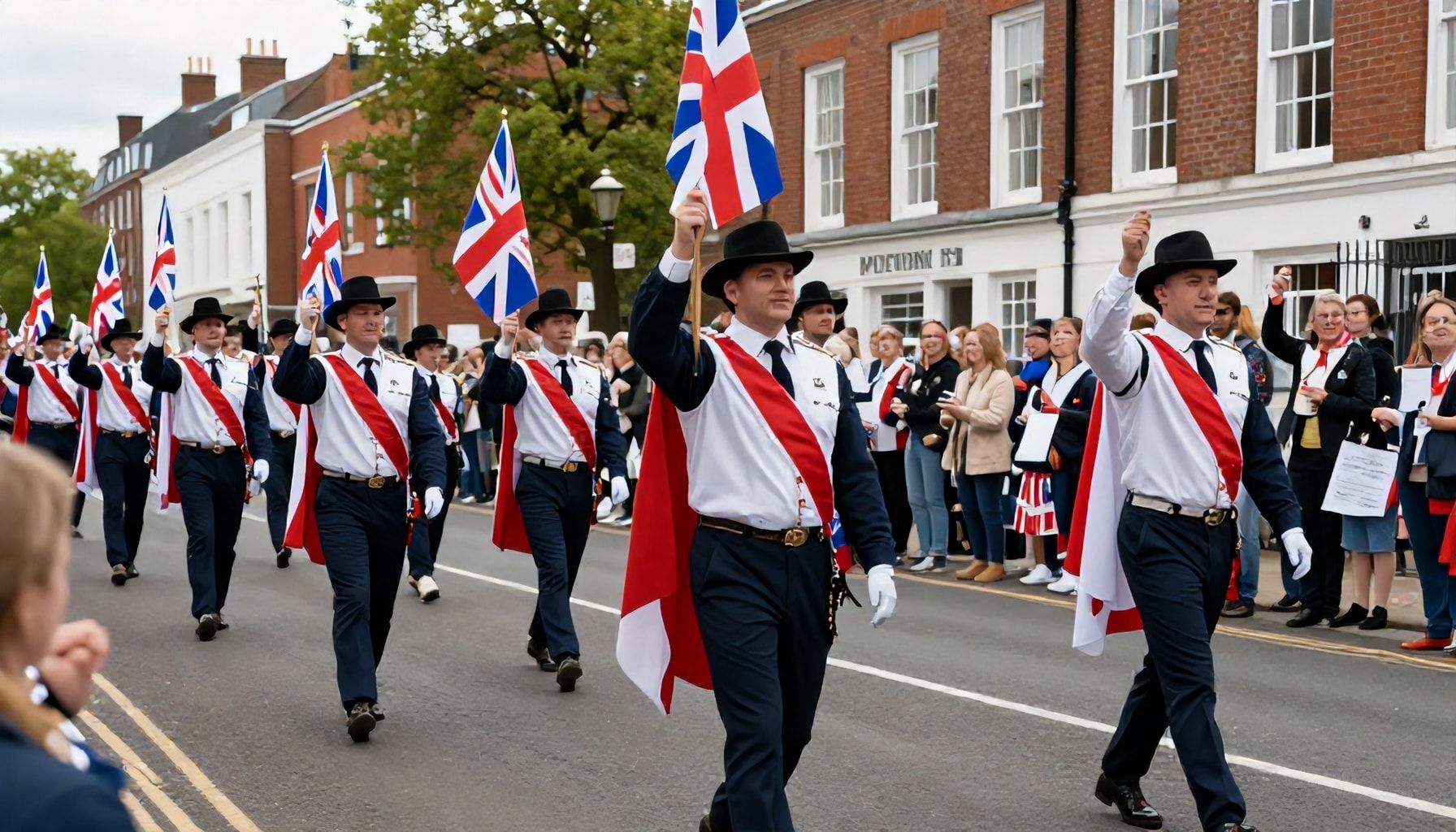
St George’s Day was celebrated nationwide on 23 April, marking England’s national day with public holidays and parades. The occasion honours St George, the country’s patron saint, with events held across towns and cities.
In London, a major parade took place in Trafalgar Square, featuring traditional music, dance performances, and flag-waving crowds. Organisers reported over 5,000 attendees, with similar gatherings in cities including Manchester, Birmingham, and York.
Local councils and community groups hosted events, including re-enactments of St George’s legendary dragon-slaying tale. The Mayor of London, Sadiq Khan, attended a ceremony at Westminster Abbey, praising the day’s cultural significance.
Businesses and schools observed the day with themed activities, while pubs and restaurants offered special menus featuring English cuisine. The National Trust noted a 20% increase in visitors to historic sites associated with St George.
Historian Dr Emily Carter said, “St George’s Day has evolved into a celebration of English identity and heritage.” She added that modern events blend medieval traditions with contemporary cultural expressions.
Parades in smaller towns, such as St George’s in Bristol and Southwark in London, included Morris dancing and medieval costumes. The English Flag Society reported a surge in sales of St George’s flags ahead of the festivities.
Authorities urged caution amid the celebrations, with police monitoring crowds in key areas. No major incidents were reported, though minor disruptions occurred due to road closures for parades.
The day concluded with fireworks displays in several locations, including Blackpool and Newcastle. Organisers described the events as a success, with plans to expand celebrations in 2025.
St George’s Day remains a focal point for cultural pride, with participation growing annually. Future events may include more interactive exhibits and historical tours, according to event planners.
St George’s Day was marked across England on 23 April with parades, cultural events, and commemorations honouring the country’s patron saint. Communities gathered for flag-raising ceremonies, traditional performances, and feasts, celebrating the day’s historical and cultural significance. The occasion also highlighted ongoing efforts to preserve and promote English heritage amid broader debates on national identity. Similar celebrations are expected next year, with local councils and cultural organisations continuing to organise events. The day remains a focal point for discussions on England’s distinct traditions within the UK.