
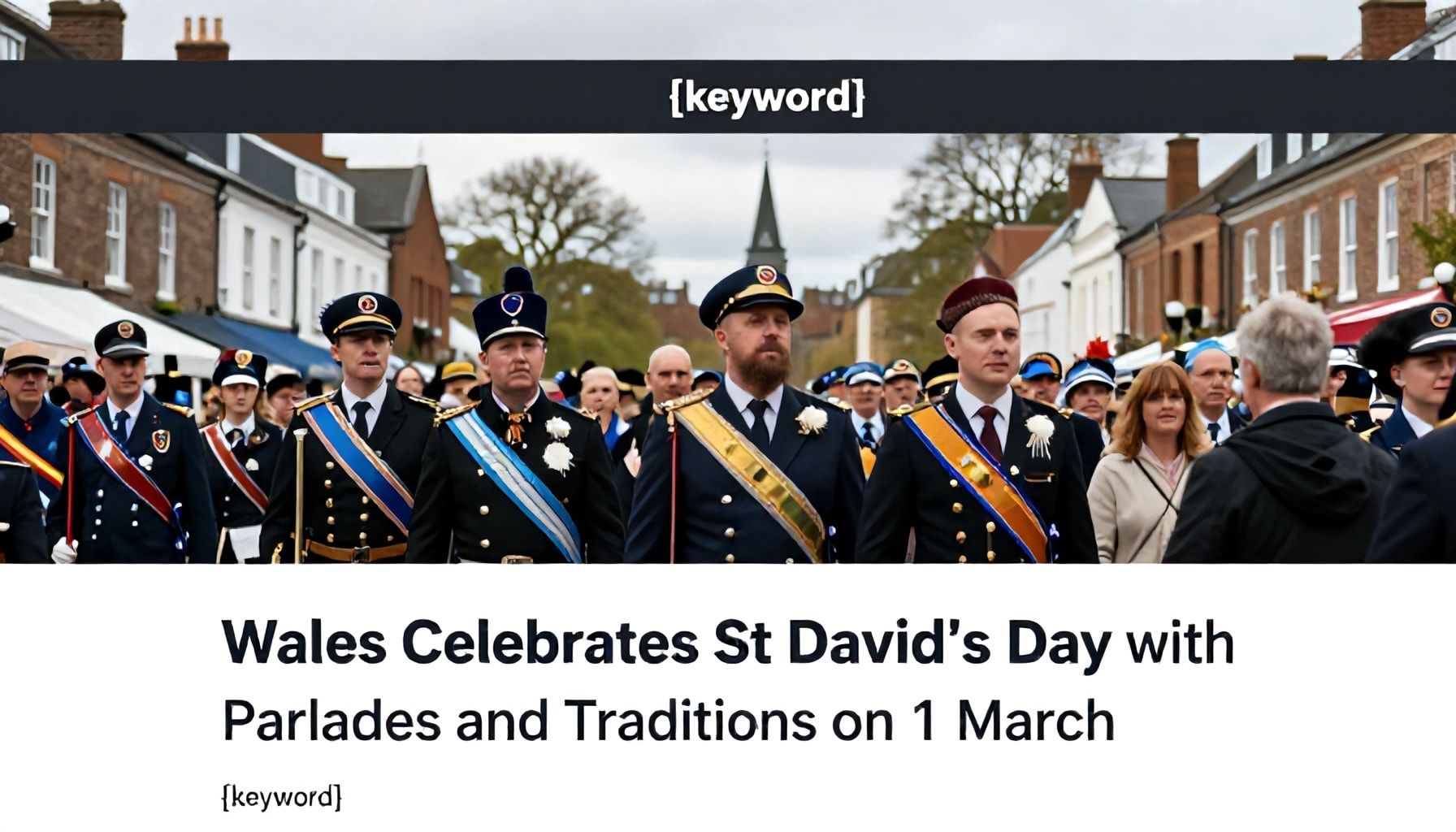
Wales celebrated St David’s Day on 1 March with parades, cultural performances, and traditional festivities across the country, honouring the patron saint of Wales. Thousands of people gathered in cities including Cardiff, Swansea, and Aberystwyth to participate in events featuring Welsh flags, folk music, and the iconic daffodil and leek symbols. The annual celebrations, marked by schools, communities, and official ceremonies, promote Welsh heritage and unity. St David, known for his piety and leadership in the 6th century, remains a symbol of Welsh identity. Organisers reported high attendance, with Cardiff’s parade drawing over 10,000 spectators, while schools held Eisteddfod competitions showcasing Welsh language and arts. The day also saw political leaders, including the First Minister, paying tribute to Welsh culture and values.
Wales Marks St David’s Day with Nationwide Celebrations
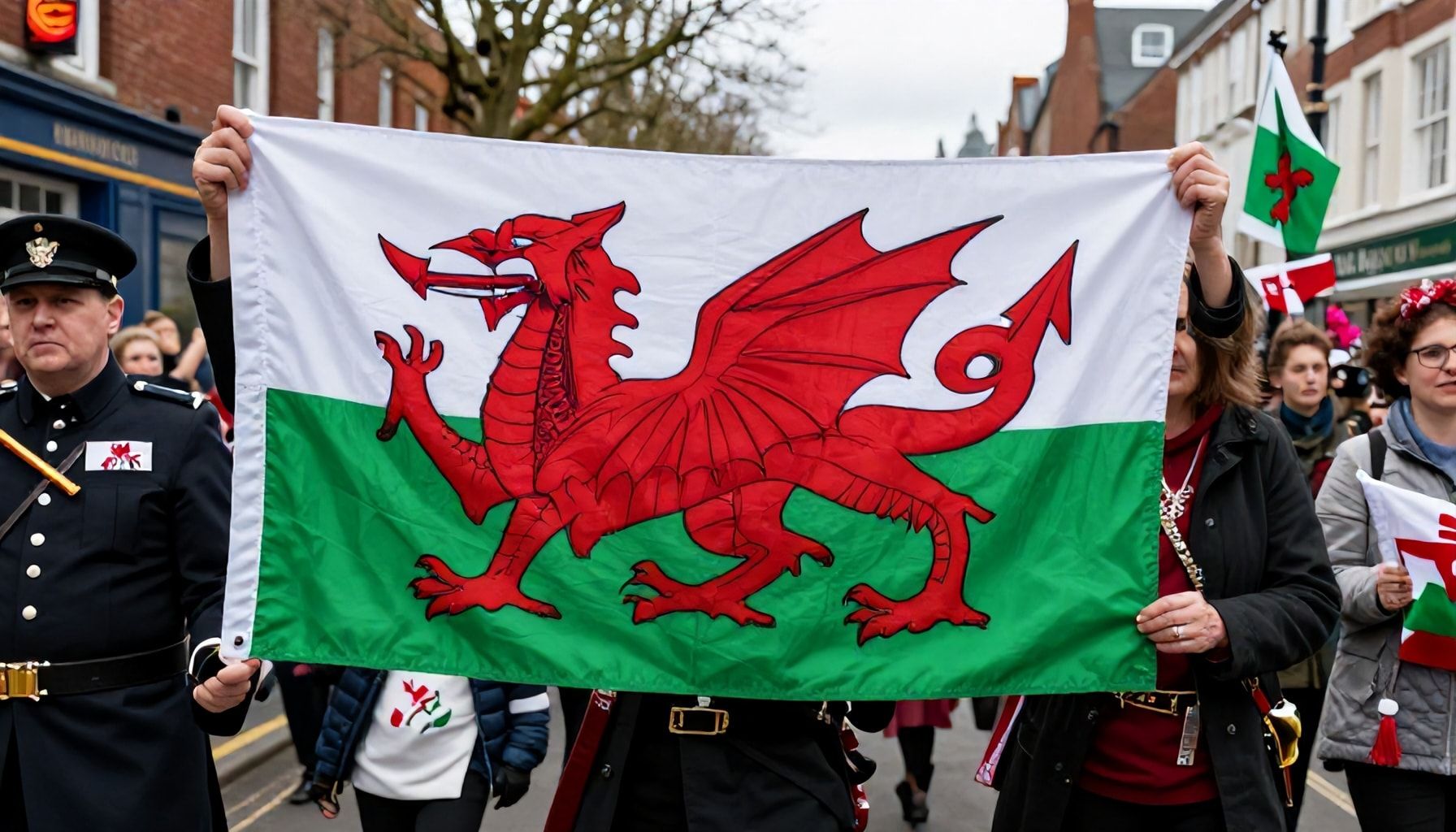
Wales celebrated St David’s Day on 1 March with nationwide parades, cultural events, and traditional festivities. The annual observance honours the patron saint of Wales, with communities across the country marking the occasion with ceremonies and displays of national pride.
Thousands gathered in Cardiff for the capital’s official celebrations, including a parade featuring Welsh flags, choirs, and traditional costumes. The event was attended by First Minister Mark Drakeford, who praised the day as a celebration of Welsh heritage and identity.
In Aberystwyth, a dawn service commemorated St David’s legacy, with attendees singing hymns and reciting prayers. Local historian Elin Jones noted the day’s significance in preserving Welsh language and culture.
Schools across Wales held events, with pupils performing Welsh folk dances and reciting poetry. Education Minister Jeremy Miles highlighted the importance of teaching Welsh traditions to younger generations.
The Welsh Rugby Union marked the day by lighting up the Principality Stadium in the national colours of red, white, and green. The stadium’s illumination was visible across Cardiff, symbolising national unity.
Traditional Welsh food, including cakes and leeks, featured prominently in celebrations. Cafés and restaurants offered special menus, with many incorporating local ingredients.
Social media platforms saw an increase in posts using the hashtag #DyddGwynDewi (Happy St David’s Day). Users shared images of daffodils, the national flower, and Welsh flags.
The day also saw a rise in sales of Welsh products, including wool and crafts. Retailers reported higher demand for items made by local artisans.
St David’s Day events concluded with fireworks displays in several towns, including Swansea and Newport. Organisers described the celebrations as a success, with large crowds attending.
The day’s festivities reinforced Wales’ cultural identity, blending ancient traditions with modern celebrations. Communities continued to uphold the legacy of St David, ensuring the day remains a key part of Welsh heritage.
Traditional Parades and Daffodil Displays Honour Patron Saint
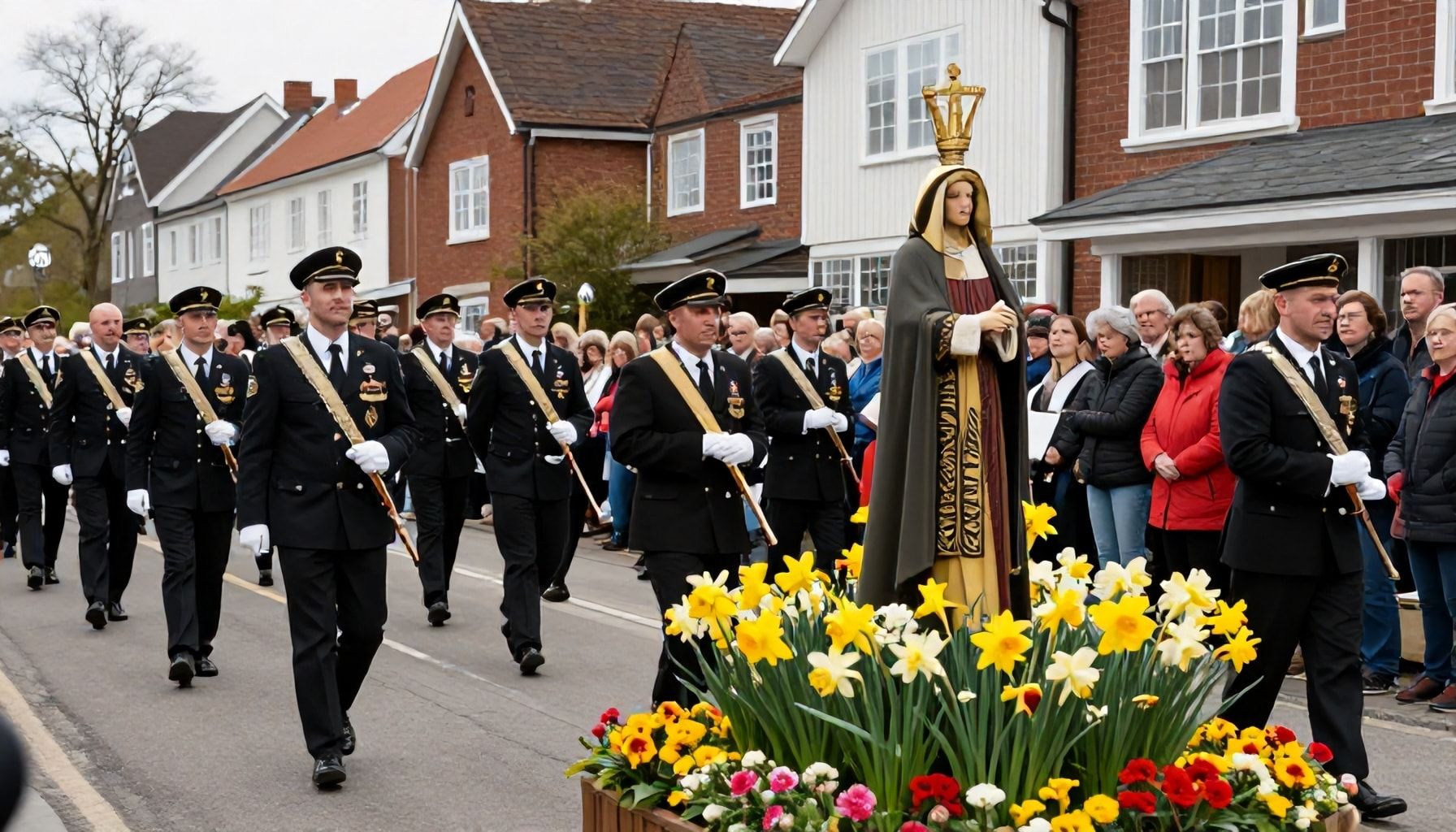
Traditional parades and vibrant daffodil displays marked celebrations for St David’s Day across Wales on 1 March. Communities gathered to honour the patron saint with marches, music, and cultural performances.
In Cardiff, thousands lined the streets for the annual parade, featuring Welsh flags, traditional costumes, and choirs singing national anthems. Organisers estimated attendance at over 15,000, with similar events held in towns including Swansea and Newport.
Daffodils, Wales’ national flower, were prominently displayed in churches, schools, and public buildings. The National Botanic Garden of Wales reported a 30% increase in visitors compared to last year, with many attending guided tours on the plant’s cultural significance.
Local schools participated in events, with pupils performing Welsh folk dances and reciting poetry. Education officials noted that 90% of primary schools engaged in St David’s Day activities, reinforcing Welsh heritage.
The Welsh government confirmed that official celebrations included a reception at Cardiff Castle, attended by First Minister Mark Drakeford. He stated, “St David’s Day is a time to celebrate our unique identity and shared values.”
Traditional food, including Welsh cakes and cawl, was sold at stalls in major cities. Retailers reported a 25% rise in sales of Welsh produce compared to the previous year.
Historic sites such as Caerphilly Castle hosted reenactments of medieval Welsh life. Tourism Wales reported a 15% increase in bookings for cultural events over the weekend.
The day concluded with fireworks displays in several towns, including Aberystwyth and Wrexham. Police confirmed no major incidents, with crowds described as orderly and festive.
St David’s Day remains a key date in Wales’ cultural calendar, blending historical tradition with modern celebrations.
Communities Gather for Festive Events Across Wales on 1 March
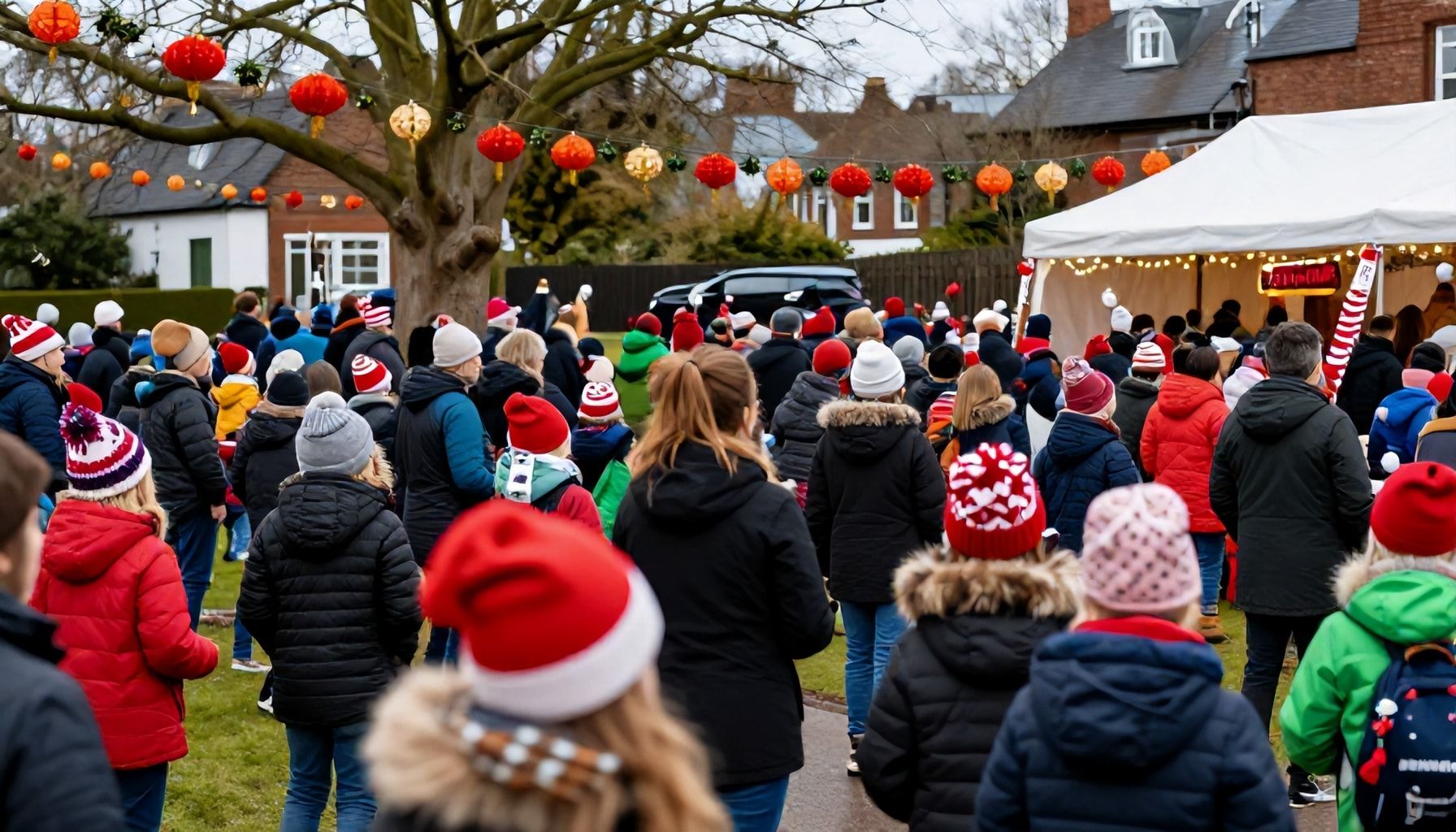
Communities across Wales gathered on 1 March to celebrate St David’s Day with parades, cultural performances, and traditional festivities. The annual event honours the patron saint of Wales, with events held in towns and cities nationwide.
In Cardiff, thousands lined the streets for the city’s annual parade, featuring Welsh choirs, dancers, and performers in national dress. Organisers estimated attendance at over 10,000, with similar celebrations taking place in Swansea, Wrexham, and Aberystwyth.
Traditional Welsh food, including Welsh cakes and bara brith, was sold at stalls across the country. Local businesses and schools participated, with many children wearing daffodils or leeks, symbols of St David’s Day.
The Welsh government confirmed that 1 March was marked as a national day of celebration, with First Minister Mark Drakeford praising the “vibrant spirit” of the events. “St David’s Day is a time to reflect on Welsh heritage and unity,” he said in a statement.
In rural areas, smaller communities held their own ceremonies, including poetry readings and folk music performances. Some churches held services to honour St David, the 6th-century monk and missionary.
The day also saw a surge in sales of Welsh flags and traditional clothing, according to retail reports. Shops in Cardiff and Swansea reported a 30% increase in related merchandise compared to previous years.
Organisers of the Cardiff parade highlighted the importance of community involvement. “This event brings people together, regardless of background,” said event coordinator Sarah Jones.
St David’s Day celebrations concluded with fireworks in some locations, including Caerphilly, where a display drew crowds of over 5,000. The events underscored the enduring cultural significance of the day in Wales.
St David’s Day Celebrations Highlight Welsh Culture and Heritage
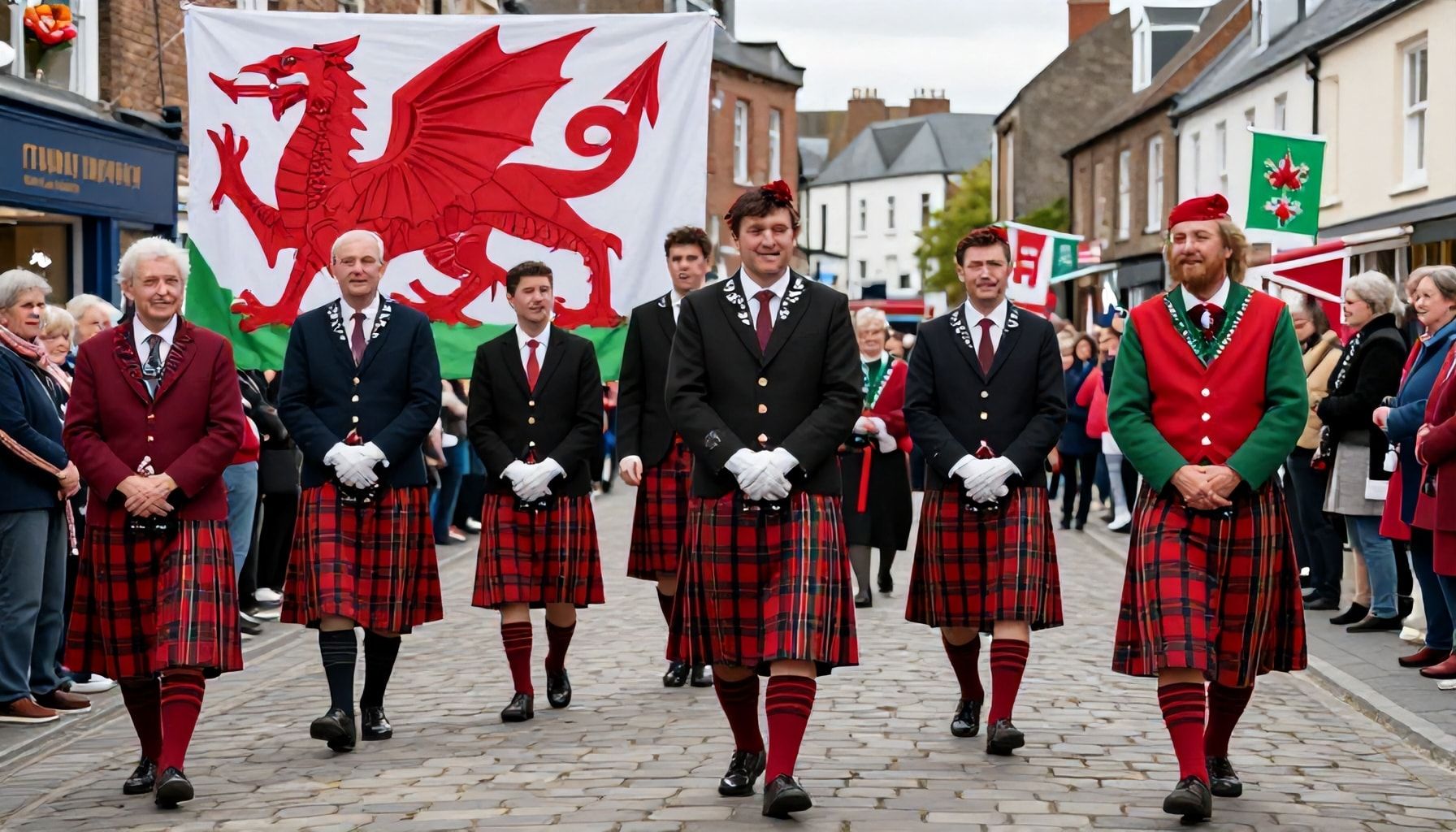
St David’s Day, celebrated annually on 1 March, saw communities across Wales honouring the country’s patron saint with parades, cultural performances, and traditional festivities. Events took place in cities and towns, including Cardiff, Swansea, and Aberystwyth, with thousands participating in celebrations.
The day began with a national service at St David’s Cathedral in Pembrokeshire, where dignitaries and locals gathered to commemorate the saint’s legacy. The Archbishop of Wales, Andrew John, led the ceremony, emphasising the importance of unity and Welsh heritage.
In Cardiff, a vibrant parade featured Welsh flags, traditional costumes, and live music, attracting crowds estimated at over 10,000 people. Organisers reported high attendance, with many wearing daffodils or leeks, symbols of Welsh identity.
Schools across Wales held assemblies and performances, with pupils reciting poetry in Welsh and singing national anthems. Education officials noted the day’s role in teaching younger generations about Welsh history and language.
Political leaders, including First Minister Mark Drakeford, paid tribute to St David’s contributions. Drakeford stated: “This day reminds us of our shared values and the strength of our culture.”
Traditional foods such as Welsh cakes and cawl were widely enjoyed, with local businesses reporting increased sales. Many restaurants and cafes offered special menus to mark the occasion.
The day concluded with fireworks displays in several locations, including Caerphilly and Wrexham. Event organisers described the celebrations as a success, with no major incidents reported.
St David’s Day remains a key date in Wales’ cultural calendar, reinforcing national pride and community spirit. Plans for next year’s celebrations are already underway, with organisers aiming to expand participation.
Government and Organisations Join in St David’s Day Festivities
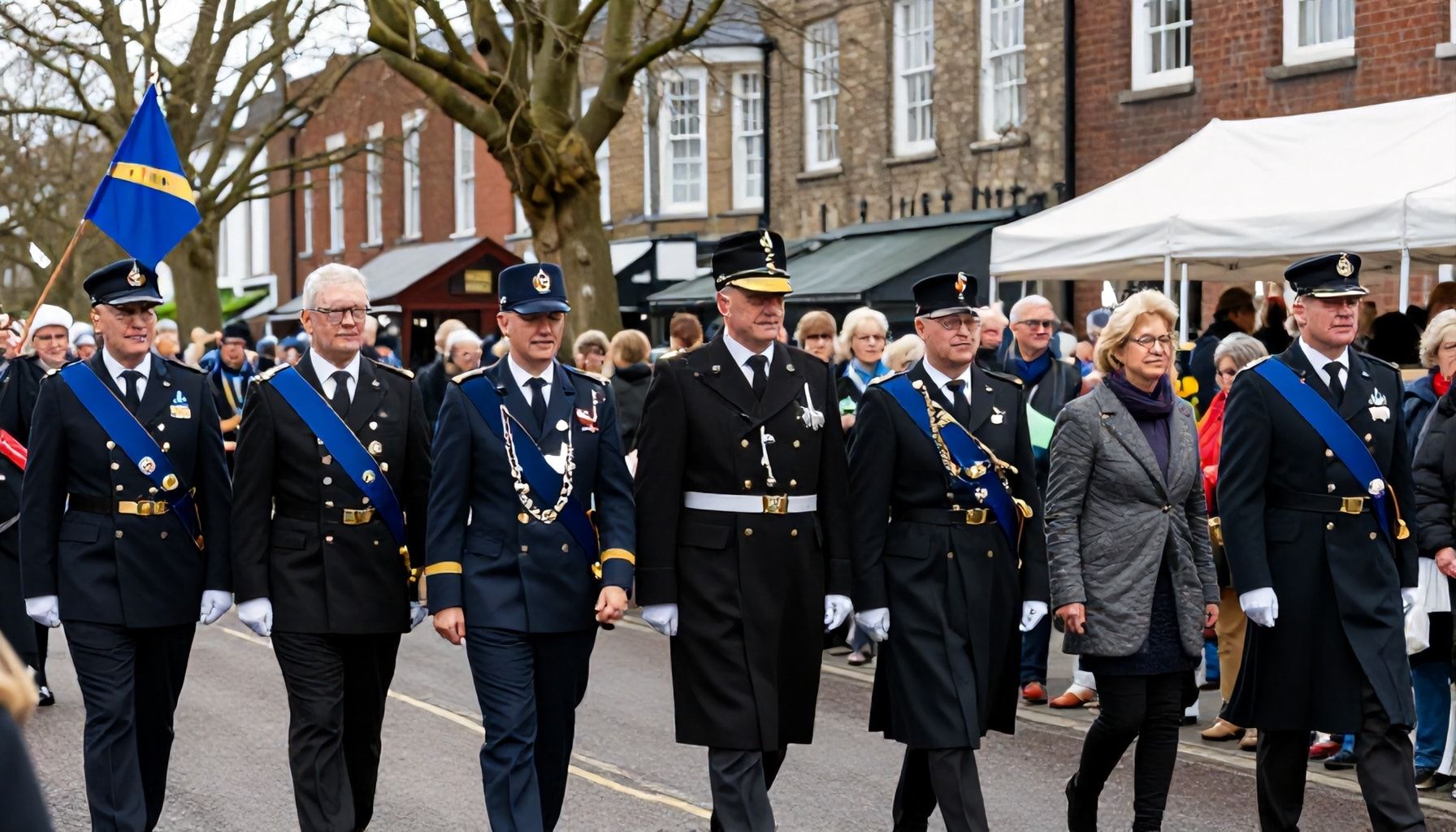
Government and organisations across Wales joined in the celebrations for St David’s Day on 1 March. The Welsh Government marked the occasion with a special event at Cardiff’s City Hall, attended by First Minister Mark Drakeford. He praised the day as a celebration of Welsh culture and identity.
Local authorities also participated, with parades and events held in towns and cities. Cardiff Council organised a procession featuring traditional Welsh music and dance. Councillor Dan Boucher described it as “a fantastic opportunity to showcase Welsh heritage.”
Businesses and charities supported the festivities, with many employees wearing daffodils or leeks. The National Lottery Community Fund donated £10,000 to Welsh community groups. A spokesperson said the funding would help sustain local traditions.
Schools across Wales held assemblies and performances to honour St David. Pupils at Ysgol Gymraeg Aberystwyth recited poems in Welsh. Headteacher Elen Jones highlighted the importance of teaching Welsh traditions to younger generations.
The Welsh Rugby Union (WRU) also celebrated, with players wearing red poppies in memory of St David. WRU CEO Robert Jones stated the day was a chance to unite behind Welsh values. Meanwhile, the National Assembly held a reception for Welsh language campaigners.
Organisations like the National Eisteddfod and the Urdd also played key roles. The Urdd’s national executive director, Sian Lewis, noted record participation in St David’s Day events. She credited the day’s growing popularity to a renewed interest in Welsh culture.
The celebrations concluded with fireworks displays in several cities. Cardiff’s event attracted over 10,000 spectators, according to council estimates. The day reinforced Wales’ commitment to preserving its cultural heritage.
Wales celebrated St David’s Day on 1 March with vibrant parades, traditional music, and cultural displays across the country. Communities honoured the national patron saint with leeks, daffodils, and Welsh flags, while schools and organisations held events to promote Welsh heritage. The celebrations highlighted the enduring significance of St David’s Day as a symbol of national pride and unity. Future events are expected to continue fostering cultural awareness, with similar festivities planned for next year. The day also underscored Wales’ rich traditions and their role in contemporary society.