
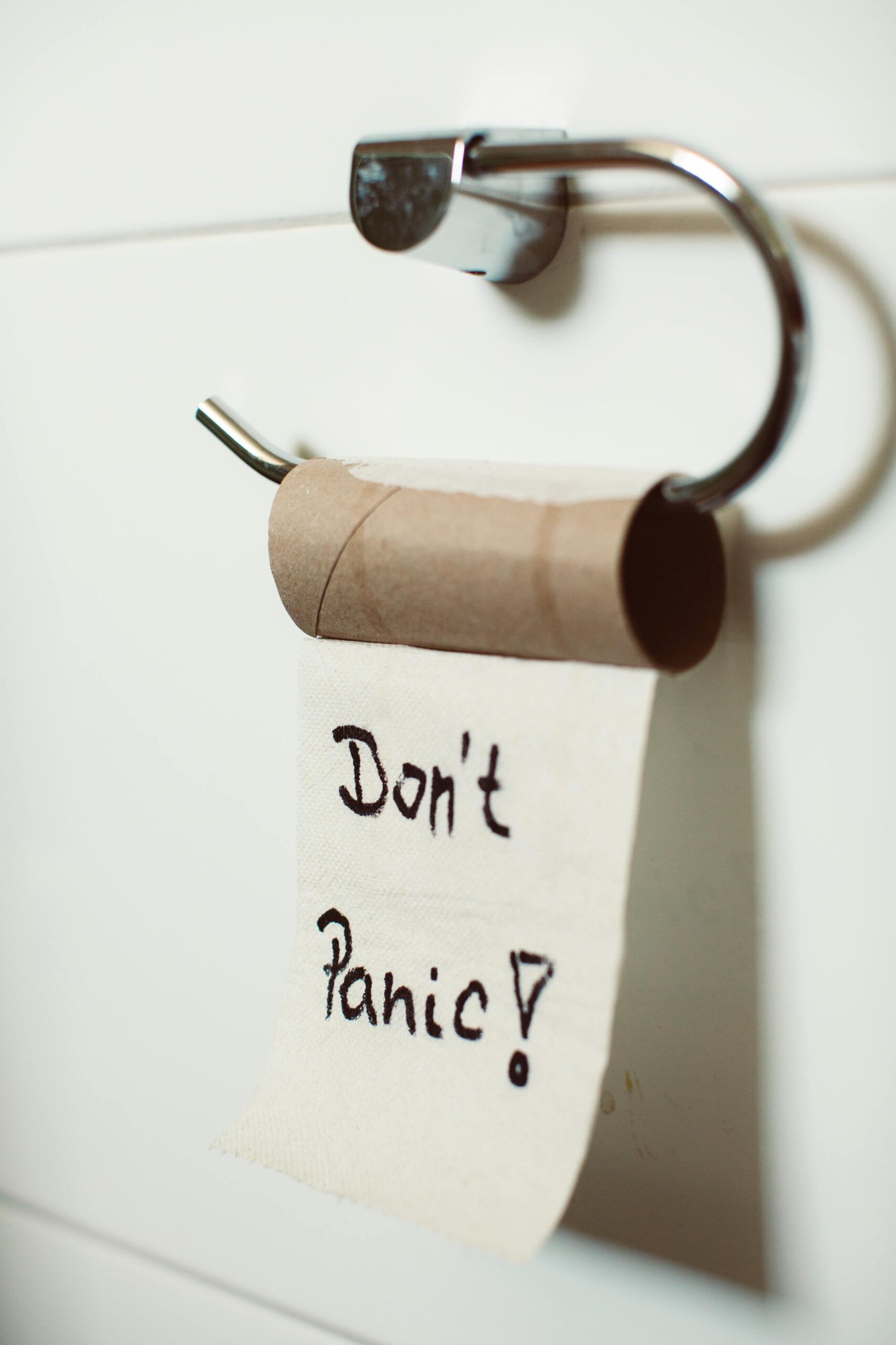
Toilet Paper Shortage Concerns: Are We Facing Another Crisis? As global supply chains continue to experience disruptions, the worry over a toilet paper shortage has resurfaced, sparking anxiety among consumers. In recent years, the world has witnessed panic buying and empty shelves, raising the question: could we be on the brink of another toilet tissue crisis? In this article, we delve into the causes of the current toilet paper shortage and what it means for households across the UK.
Toilet paper shortages are not just a minor inconvenience—they can lead to widespread panic and hoarding behaviours, as seen in the early days of the COVID-19 pandemic. The impact of these shortages can affect not only the availability of bathroom essentials but also the economy as a whole. The question is: what are the driving factors behind potential toilet paper shortages today? With fluctuating demand, challenges in production, and rising costs, consumers are left wondering if they should stock up once again.
As we explore the potential for a toilet paper shortage in the near future, we’ll uncover the latest trends and insights that could shape consumer behaviour. Are manufacturers ready to meet the rising demand, or are we facing another crisis that will catch us off guard? Stay tuned as we unpack the crucial information you need to know, ensuring you’re prepared for whatever comes next in the world of toilet paper supplies!
Understanding the Toilet Paper Supply Chain: Why Are Shortages Happening Again?
The toilet paper supply chain has been under scrutiny again, raising alarm bells for consumers who remembers the panic buying and empty shelves from the early days of the pandemic. As we face another round of shortages, it’s important to understand what’s happening behind the scenes. The question on everyone’s lips is: why are we seeing these shortages again?
A Brief History of Toilet Paper Shortages
Toilet paper, often taken for granted, became a household necessity during the COVID-19 pandemic. In early 2020, panic buying led to a sudden spike in demand that the supply chain couldn’t keep up with. Factories struggled to ramp up production, and distribution channels were disrupted. This wasn’t just a New York phenomenon; it was global.
- In the US, toilet paper sales skyrocketed by 845% during the initial lockdown.
- Many manufacturers ran out of stock, leading to empty shelves in stores everywhere.
- Some companies even shifted production to meet the demand, focusing on consumer-grade products instead of commercial ones.
Fast forward to 2023, and the fear of a similar crisis looms again. But what’s different this time?
Current Factors Contributing to Shortages
Several factors are contributing to the current toilet paper shortage concerns. Understanding these elements helps to unravel the complexities of the supply chain.
Raw Material Issues: The production of toilet paper relies heavily on wood pulp, which has faced shortages due to wildfires and supply chain disruptions. The raw material prices have spiked, affecting manufacturers.
Increased Demand: With lingering pandemic concerns and a potential economic downturn, consumers are stockpiling essentials again. This behaviour leads to a surge in demand that isn’t matched by supply.
Logistical Challenges: Shipping delays and transportation issues are still present. Port congestion and truck driver shortages means that even if production is up, getting products to shelves is a significant hurdle.
Inflation and Cost Pressures: Rising costs of production, including energy and labour, have forced manufacturers to increase prices. Higher prices might deter some consumers, but many still feel the need to buy in bulk.
What This Means for Consumers
As consumers, it is vital to know how these factors can impact our shopping habits. Here’s a list of the potential outcomes:
- Stockpiling Behaviour: Just like in 2020, we might see shoppers buying more than they need, creating a cycle of shortages.
- Price Increases: Expect to see higher prices on toilet paper in stores, as manufacturers pass on their increased costs to consumers.
- Limited Availability: Some brands may be harder to find, leading to a reliance on whichever options are available.
Comparing the Past and Present
When we compare the situation now to the early pandemic days, some distinct similarities and differences emerge.
| Factor | 2020 Situation | 2023 Situation |
|---|---|---|
| Demand | Skyrocketed due to panic buying | Increased due to stockpiling |
| Supply | Severely disrupted | Still struggling |
| Consumer Behaviour | Fearing a complete shortage | More cautious but still buying |
| Price | Prices surged | Expected to rise more |
Practical Tips for Consumers
Facing another potential shortage can be stressful. Here are some practical tips to navigate this situation:
- Buy Wisely: Instead of stockpiling, buy only what you need. This helps to prevent panic buying and allows for a steady flow of products to the shelves.
- Explore Alternatives: Consider alternatives like bidets or reusable cloths. Although it may not be the norm for everyone, it can help ease the pressure on toilet paper supplies.
- Stay Informed: Follow news regarding supply shortages and manufacturer updates. Knowledge is power, and being informed can help you make better purchasing decisions.
The Road Ahead
Toilet paper shortages are a complex issue rooted in supply chain dynamics, consumer behaviour, and market conditions. As we navigate this landscape, the hope is that manufacturers can adapt and respond to the challenges. With awareness and careful purchasing, consumers can help mitigate the impact of shortages on their homes.
With all that being said, it’s clear that understanding the toilet paper supply chain is crucial in these uncertain times. The next few months may continue to be bumpy, but staying informed can help us all weather the storm together.
The Impact of Pandemic Panic Buying: Are We Prepared for Another Toilet Paper Crisis?

The COVID-19 pandemic brought about a wave of panic buying that many of us have never seen before. As countries went into lockdown, shelves were stripped bare, and one item became the poster child for consumer frenzy: toilet paper. The question now is, are we ready for another toilet paper crisis? With the potential for future health emergencies, it’s crucial to understand the impact of pandemic panic buying and the toilet paper shortage concerns that might arise again.
The Toilet Paper Craze of 2020
In early 2020, as news of the coronavirus spread, consumers rushed to stock up on essential items. Toilet paper was at the forefront. This led to empty shelves and frustrated shoppers. According to a study by the University of California, panic buying was fueled by a mix of fear, uncertainty, and social influence. Some of the key reasons behind the toilet paper shortage included:
- Fear of Lockdowns: People were worried they wouldn’t be able to leave their homes.
- Social Media Influence: Viral posts about shortages led to increased buying.
- Supply Chain Disruptions: Production slowed down due to factory closures.
The Realities of Toilet Paper Production
Before the pandemic, toilet paper was a staple in households around the world. But, not many considered how it’s made or supplied. The supply chain for toilet paper is vast, involving everything from raw materials to manufacturing, to transportation and distribution.
- Materials: Most toilet paper is made from wood pulp, which is harvested from trees.
- Production: The production process requires significant resources and time, meaning that ramping up production in response to sudden demand can be challenging.
- Distribution: Once produced, toilet paper must be delivered to retailers, a process that can be disrupted by various factors such as natural disasters or, as we saw, pandemics.
Are We Prepared for Another Crisis?
With the lessons learned from the last toilet paper shortage, one must wonder if we are truly prepared for another potential crisis. Experts believe that while some suppliers have improved their stockpiling strategies, there are still vulnerabilities in the system.
A few things to consider include:
- Increased Demand: If another pandemic were to strike, demand might spike even higher than before.
- Stockpiling by Consumers: Many families might already be inclined to hoard supplies based on previous experiences, leading to shortages even with a mild increase in demand.
- Supply Chain Fragility: The interconnectedness of global supply chains means that disruptions in one area can have cascading effects.
Toilet Paper Shortage Concerns in Numbers
To put the concerns into perspective, here’s a table showing the toilet paper consumption trends before and during the pandemic:
| Year | Average Consumption (per person) | Panic Buying Impact |
|---|---|---|
| 2019 | 23 rolls | None |
| 2020 | 45 rolls | Significant |
| 2021 | 30 rolls | Moderate |
This data shows a sharp increase in consumption during the initial stages of the pandemic, which also led to empty aisles in supermarkets and increased prices in some regions.
What Can Be Done to Mitigate Future Shortages?
So what can consumers and retailers do to prepare for the possibility of future toilet paper shortages? Here are some practical strategies:
- Educate Consumers: Awareness campaigns about responsible buying can help mitigate panic buying behaviours.
- Encourage Local Sourcing: Supporting local manufacturers could reduce the time and complexity involved in the supply chain.
- Stock Management: Retailers can adopt better inventory management systems to predict demand and respond more efficiently.
The Psychological Aspect of Panic Buying
The psychological factors that drove the panic buying behaviour cannot be overlooked. During crises, fear can lead people to act irrationally, and understanding these triggers is important. Here’s a quick list of psychological factors at play:
- Fear of Isolation: The thought of being stuck at home can push people to stock up.
- Social Proof: If others are buying, individuals may feel the need to do the same.
- Sense of Control: Purchasing items can give a false sense of control in chaotic times.
As we navigate through the uncertainties, it’s crucial to reflect on the lessons of the past. While we may not be able to predict the next crisis, we can certainly prepare for it. The toilet paper shortage concerns remind us of the importance of planning, community support, and responsible consumer behaviour. With a little foresight, we might just avoid another toilet paper panic.
Top 5 Reasons Behind the Current Toilet Paper Shortage: What You Need to Know

The toilet paper shortage that hit the world just a few years ago seems to have made a comeback, raising questions and concerns among consumers. Many are left wondering whether we are facing another crisis. Let’s delve into the top five reasons behind the current toilet paper shortage and what it means for your household.
Increased Demand from Pandemic Habits
Since the onset of the COVID-19 pandemic, people’s buying habits have changed drastically. Many households began stockpiling essential items, which included toilet paper. While many consumers thought they were preparing for the worst, manufacturers struggled to keep up with this surge in demand. The trend of bulk buying didn’t just stop, even after lockdowns were lifted. The heightened demand has meant that stores can’t always keep their shelves stocked, leading to worries about another shortage.
Supply Chain Disruptions
Another major factor contributing to the toilet paper shortage concerns is the ongoing supply chain disruptions. These disruptions have been caused by a variety of factors, including shipping delays, increased transportation costs, and limited workforce availability. For instance, when shipping containers are delayed at ports, it impacts the whole supply chain, from manufacturers to retailers.
- Key points affecting supply chains:
- Port congestion leading to shipment delays.
- Shortages of raw materials like wood pulp, which is fundamental for paper production.
- Fluctuations in labour availability due to COVID-19 regulations.
Manufacturing Capacity Limitations
Toilet paper production is not as simple as one might think, and many manufacturers are running at full capacity. The increased demand has placed a strain on production lines, and many facilities are unable to ramp up output quickly enough. This situation has led to longer lead times for retailers, meaning that even if stock is produced, it may not reach the shelves in time.
- Manufacturing challenges include:
- Limited machinery capacity in mills.
- High operational costs due to increased safety protocols.
- Difficulty in sourcing necessary raw materials.
Panic Buying and Consumer Behaviour
The psychology behind consumer behaviour plays a significant role in the current toilet paper shortage. As soon as people see empty shelves, they tend to panic and buy in bulk, fearing that they won’t be able to find what they need later. This behaviour creates a cycle where demand exceeds supply, leading to further shortages. It’s worth noting that social media also amplifies this panic, with images of empty shelves spreading rapidly.
- Examples of consumer behaviour patterns:
- Social media posts showing empty aisles trigger more panic buying.
- Fear of a future lockdown prompts bulk purchasing.
- Influencers and news reports exacerbate anxiety around availability.
Seasonal Demand Fluctuations
Finally, seasonal demand fluctuations can also affect the toilet paper supply chain. Certain times of the year, like holidays or back-to-school seasons, typically see an increase in demand for household products. When these seasonal patterns are combined with the ongoing issues from the pandemic, it creates a perfect storm for shortages. Retailers may not have been prepared for this dual pressure, leading to further depletion of stock.
- Seasonal factors include:
- Increased usage during holidays like Christmas and Thanksgiving.
- Back-to-school season, when families stock up on supplies.
- Flu season, which also raises demand for hygiene products.
The toilet paper shortage concerns have resurfaced, and while it’s not a crisis on the same scale as before, it is still important to stay informed. Awareness of the factors influencing the supply chain can help consumers prepare and avoid unnecessary panic buying.
Ultimately, understanding the reasons behind the current toilet paper shortage can help you make informed purchasing decisions and manage household supplies more effectively. Stay vigilant and be mindful of your shopping habits to ensure you are prepared, no matter what happens next.
How to Stock Up Wisely: Smart Strategies for Navigating Toilet Paper Shortages

As we all remember, the toilet paper shortage that hit during the early days of the pandemic left many scrambling and stressing. Who would’ve thought that something as simple as toilet paper could cause such panic? Now, with discussions starting to arise about potential shortages again, it’s important to know how to stock up wisely. Here’s a look at some smart strategies for navigating these toilet paper shortage concerns and ensuring you’ve got enough supplies on hand without going overboard.
Understanding the Toilet Paper Supply Chain
Before we dive into stocking strategies, it’s useful to understand why toilet paper shortages happen. The supply chain for toilet paper involves several steps and can be easily disrupted. Here’s a brief overview:
- Manufacturing: Toilet paper is produced in large quantities, but the machinery is complex and requires maintenance. If a plant goes down, it can take time to get it back up and running.
- Distribution: Once produced, the toilet paper needs to be transported to stores. Any disruptions in logistics, like fuel shortages or bad weather, can slow down supplies.
- Demand spikes: During crises, people panic buy and stock up, which leads to shelves being emptied faster than they can be restocked.
Signs of Another Crisis
As we keep an eye on the news, there’s chatter about potential supply chain issues once more. Here’s what to look out for that may indicate another toilet paper shortage:
- Increased media coverage: If news outlets start reporting on supply issues, it might be time to take action.
- Empty shelves: If you notice your local stores running low on stock again, it’s a clear sign to consider stocking up.
- Manufacturers’ warnings: Pay attention to statements from toilet paper manufacturers about production challenges.
Smart Strategies for Stocking Up
When it comes to stocking up wisely, it’s not just about buying everything at once. Here are some strategies to consider:
- Assess your usage: How much toilet paper do you normally use in a week? Keeping track of this can help you determine how much to buy.
- Buy in bulk: If you have the storage space, buying in bulk can save you money in the long run. Just be sure not to overdo it!
- Choose quality: Sometimes, cheaper options aren’t worth it. A good quality roll might last longer, so consider investing a bit more.
Stocking Up Checklist
To make it easier to navigate a potential shortage, here’s a handy checklist:
- Evaluate your current supply.
- Determine how long you can go without buying more.
- Set a target amount to stock up on based on your needs.
- Keep an eye on sales and discounts.
- Purchase from multiple retailers if possible to avoid empty shelves.
Comparison of Toilet Paper Brands
When stocking up, you might be wondering which brands are worth considering. Here’s a quick comparison of popular options:
| Brand | Price per roll | Quality Rating | Best Use |
|---|---|---|---|
| Brand A | £0.50 | 4/5 | Everyday use |
| Brand B | £0.75 | 5/5 | High-quality feel |
| Brand C | £0.40 | 3/5 | Budget-friendly |
What to Avoid When Stocking Up
While it’s wise to prepare, there are some common pitfalls to avoid:
- Buying too much: You don’t need a year’s worth of toilet rolls, especially if you don’t have the space.
- Ignoring expiration: While toilet paper doesn’t really expire, the quality can degrade over time. Store it in a cool, dry place.
- Falling for panic buying: Don’t get swept up in panic buying trends. Think logically about your needs.
Local Alternatives
Consider looking into local alternatives if shortages become a bigger issue. Some communities may support local businesses that produce sustainable or eco-friendly toilet paper options. Here’s a list of local options to consider:
- Eco-friendly brands that focus on sustainability.
- Local shops that sell in bulk.
- Subscription services that deliver directly to your door.
In these uncertain times, it’s essential to be prepared for potential shortages while keeping a sensible approach. Stocking up wisely means understanding your needs, being aware of the broader market, and avoiding overindulgence. By staying informed and planning ahead, you can navigate any toilet paper shortage concerns with confidence.
Expert Insights: Will the Toilet Paper Shortage Last, and How Can Consumers Adapt?
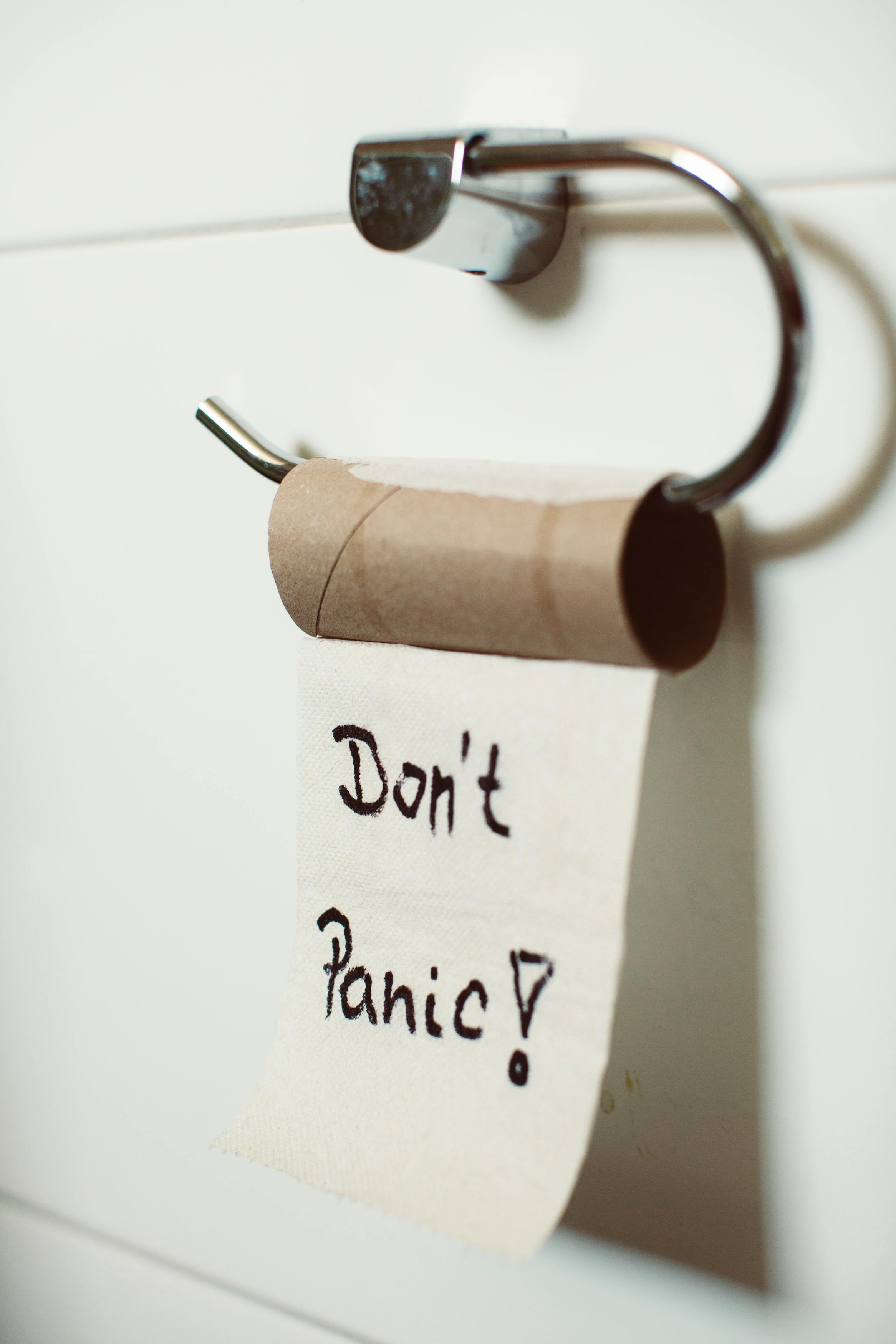
The toilet paper shortage concerns have resurfaced, causing many consumers to worry whether we are facing another crisis. The pandemic in 2020 brought about panic buying, leading to empty shelves in supermarkets and a frenzy among shoppers. Now, as supply chain issues and inflation continue to affect everyday life, many people are asking: will the toilet paper shortage last, and how can consumers adapt?
The Current State of Toilet Paper Supplies
Recent reports indicate that while the situation is not as dire as it was during the early days of the pandemic, there are still challenges that could lead to shortages in the future. Manufacturers have struggled to keep up with the demand, and shipping delays are still a problem. Some companies have raised prices due to increased costs, which has left consumers feeling anxious.
- Key Factors Contributing to Shortages:
- Supply chain disruptions
- Increased production costs
- Fluctuating demand patterns
- Raw material shortages
Historical Context of Toilet Paper Shortages
To understand the current situation, it helps to look back at recent history. The toilet paper shortage of 2020 was largely due to panic buying and hoarding. People were stockpiling essentials as they prepared for lockdowns, which led to a sudden spike in demand.
Back then, manufacturers couldn’t ramp up production quickly enough to meet the needs of consumers. This resulted in empty shelves and a lot of frustration. The situation improved over time, but some lessons were learned.
- Lessons from the Past:
- Supply chains are more fragile than many thought.
- Consumer behaviour can dramatically affect availability.
- Companies need to be more adaptable to sudden changes in demand.
Consumer Adaptation Strategies
With the prospect of shortages looming, it’s important for consumers to adopt strategies that could help them navigate these challenges. Here are some practical tips to consider:
- Buy in Moderation: Instead of stockpiling, purchase a few extra rolls when you can. This helps avoid panic buying.
- Explore Alternatives: Consider other options like bidets, reusable cloths, or even paper towels (though not ideal for all uses).
- Stay Informed: Follow news on supply chain issues and local availability to know when to buy.
- Join Local Groups: Engage with community groups online to share information about where to find toilet paper.
- Plan Ahead: Keep an eye on your supply and order in advance when you see stock available.
The Impact of Social Media on Consumer Behaviour
Social media has played a significant role in shaping consumer behaviour during shortages. In 2020, viral videos and posts about the toilet paper crisis only added to the panic. Today, platforms like Twitter and Instagram can still influence how consumers react to potential shortages.
- Examples of Social Media Influence:
- Viral posts showing empty store shelves can drive panic.
- Influencers sharing tips on how to stock up can lead to increased demand.
What Experts Are Saying
Experts have mixed opinions about the future of toilet paper supplies. Some believe that the current shortages will be a minor issue, while others warn that ongoing supply chain problems could lead to more significant challenges in the near future.
- Expert Opinions Include:
- “Manufacturers are trying to adjust but it’s a slow process.” – Supply Chain Analyst
- “Consumers need to be aware and ready for anything.” – Consumer Behaviour Expert
Final Thoughts
The toilet paper shortage concerns are certainly valid. While the situation is not as extreme as it was a few years ago, consumers should remain vigilant and adaptable. By understanding the factors at play and taking practical steps, individuals can navigate these uncertainties more effectively. It’s better to prepare than to panic. Keeping an open dialogue with your community and staying informed can also alleviate some stress during these unpredictable times. So, whether it’s enhancing your purchasing habits or exploring alternatives, being proactive is key in tackling any potential toilet paper crisis.
Conclusion
In conclusion, the concerns surrounding toilet paper shortages have highlighted the fragility of supply chains and consumer behaviour during crises. As we have explored, factors such as panic buying, increased demand during lockdowns, and disruptions in production have all contributed to the sporadic availability of this essential item. It’s crucial for consumers to remain calm and avoid stockpiling, as this only exacerbates the issue. Retailers are urged to implement better inventory management practices to ensure a steady supply, while manufacturers must adapt to changing demands. As we navigate these challenges, let us foster a sense of community and understanding among ourselves, reminding each other that cooperation and patience are key. Moving forward, consider exploring alternative hygiene options and supporting local businesses to mitigate the impact of any future shortages. Together, we can ensure that such a basic necessity remains accessible to all.