
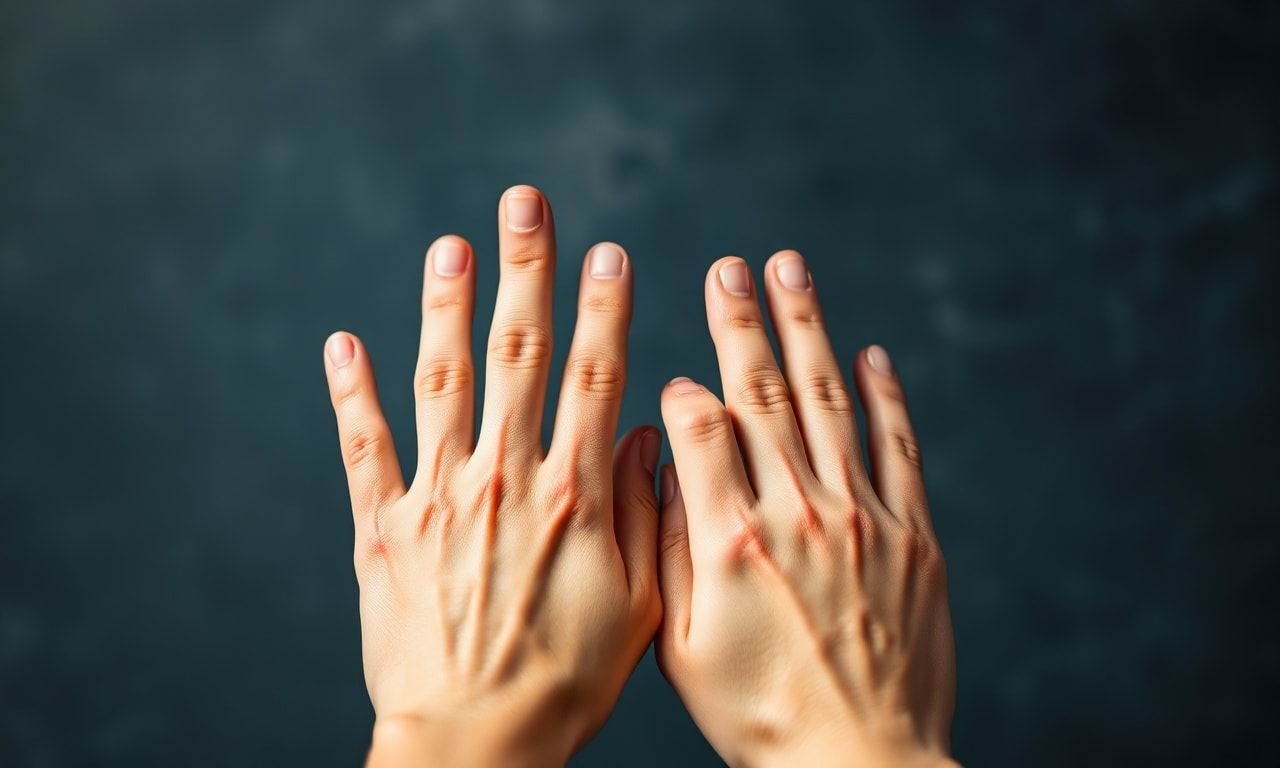
Understanding the Ancient Practice of Palmistry
Palmistry, also known as chiromancy, is an ancient practice that involves reading the lines and patterns on a person’s palms to gain insight into their personality, relationships, and future. This fascinating art has been practiced for thousands of years across various cultures, from ancient India and China to medieval Europe. The belief is that the lines on our hands are not merely random but are imprinted by cosmic influences and can reveal our life’s journey.
The Basics of Palm Reading
To begin understanding palmistry, it’s essential to familiarize yourself with the basic components of the hand. The palm is divided into several areas, each representing different aspects of life. The major lines include:
- Heart Line: Reveals insights into emotional well-being and relationships.
- Head Line: Indicates intellectual abilities and mental inclinations.
- Life Line: Reflects the general health and vitality of an individual.
- Fate Line: Suggests the impact of external influences on one’s life.
The Historical Significance of Palmistry
Palmistry has a rich history that dates back to ancient civilizations. One of the most intriguing aspects of its history is its connection to various religious and spiritual practices. For instance, the practice of palmistry has been intertwined with Catholic palm reading history, where it was used as a tool for divination and understanding one’s spiritual path. This historical context adds a layer of depth to the practice, making it more than just a form of entertainment or curiosity.
How to Read Palms: A Beginner’s Guide
If you’re interested in learning the art of palmistry, start by observing the basic lines and their meanings. Here are some steps to get you started:
- Examine the Hand: Begin by looking at the overall shape and appearance of the hand. The shape can reveal personality traits and tendencies.
- Identify the Major Lines: Locate the heart, head, life, and fate lines. Note their length, depth, and any notable markings or breaks.
- Analyze the Lines: Use a guide or resource to interpret the lines. Pay attention to any unique patterns or intersections that may have special significance.
- Consider the Mounts: The mounts, or fleshy areas on the palm, can also provide insights. Each mount corresponds to a different planet and aspect of life.
Interpreting the Lines
Interpreting the lines on the palm requires a combination of observation and intuition. For example, a long, deep heart line may indicate a strong emotional nature, while a short, shallow line might suggest a more reserved personality. Similarly, a clear, unbroken life line can signify good health and vitality, whereas breaks or islands on the line may point to potential health challenges.
Palmistry in Modern Times
While palmistry is often associated with ancient practices, it continues to be relevant in modern times. Many people turn to palmistry as a form of self-discovery and personal growth. It can provide valuable insights into one’s strengths, weaknesses, and potential life paths. Additionally, palmistry can be a fun and engaging activity to share with friends and family, offering a unique way to connect and learn more about each other.
Palmistry and Self-Improvement
Palmistry can be a powerful tool for self-improvement. By understanding the patterns and lines on your palms, you can gain a deeper understanding of your personality and potential. This knowledge can help you make informed decisions about your career, relationships, and personal growth. Whether you’re looking to enhance your self-awareness or simply curious about the mysteries of the hand, palmistry offers a fascinating journey of discovery.
Conclusion
The art of palmistry is a timeless practice that continues to captivate people around the world. From its ancient roots to its modern applications, palmistry offers a unique window into the human experience. Whether you’re a seasoned practitioner or a curious beginner, exploring the secrets of your hands can be a rewarding and enlightening journey. So, take a moment to examine your palms and uncover the hidden insights they hold.
For a deeper understanding of this topic, The Art of Mindful Living: Finding offers valuable insights worth exploring.