
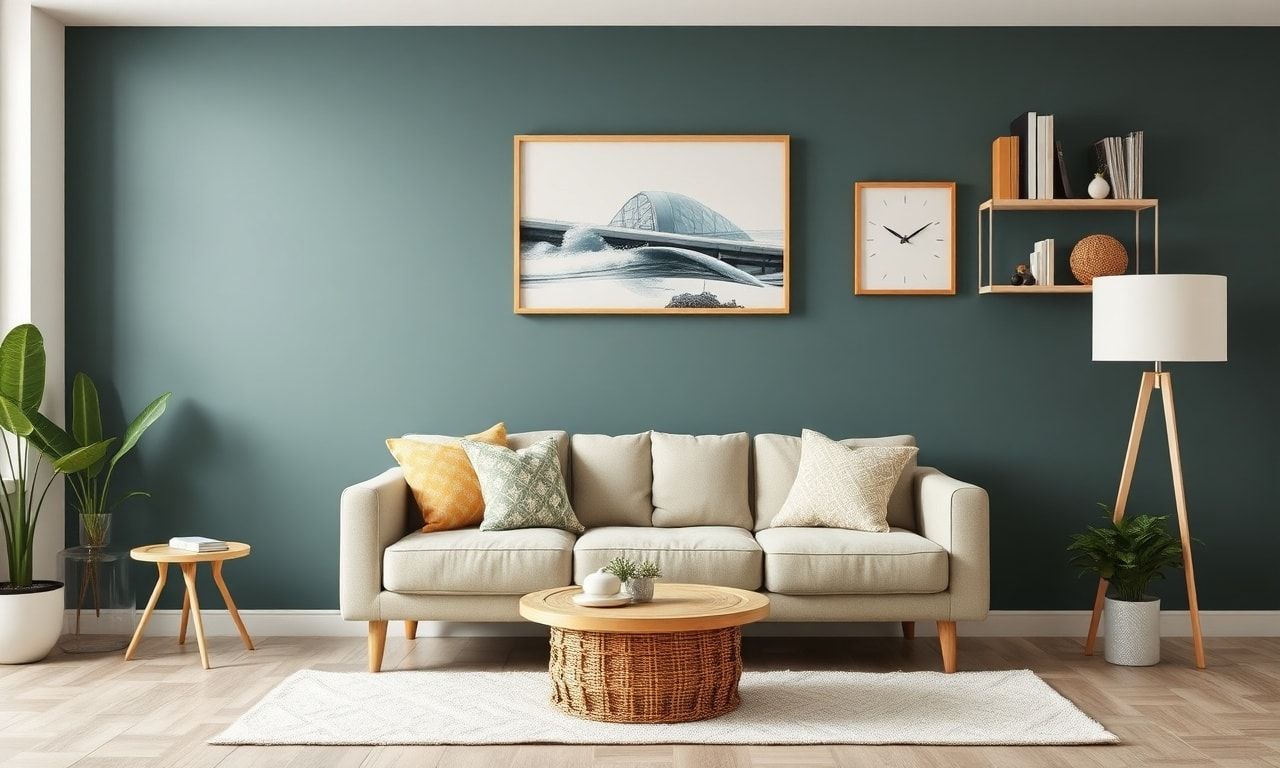
The Importance of a Well-Designed Home
A well-designed home is more than just a place to live; it’s a sanctuary that reflects your personality and caters to your daily needs. Creating a space that is both cozy and functional can significantly enhance your quality of life. Whether you’re a seasoned homeowner or a first-time renter, understanding the principles of good design can help you transform your living space into a haven of comfort and efficiency.
Understanding Your Space
Before you start decorating, it’s essential to understand the layout and potential of your space. Take measurements of each room and consider how you use each area. For example, if you have a small kitchen, you might need to optimize storage solutions. If you have a large living room, you might want to create distinct zones for different activities, such as a reading nook or a home office. Understanding your space will help you make informed decisions about furniture, decor, and layout.
Assessing Your Needs
Everyone has different needs and preferences when it comes to their living space. Some people prioritize comfort, while others focus on functionality. Consider your lifestyle and daily routines. Do you work from home? Do you have children or pets? Do you entertain frequently? Answering these questions will help you identify the key features and amenities you need in your home. For instance, if you work from home, you might need a dedicated office space with good lighting and ergonomic furniture.
Choosing the Right Furniture
Furniture plays a crucial role in defining the look and feel of your home. When selecting furniture, consider both aesthetics and functionality. Opt for pieces that are comfortable, durable, and versatile. Multi-functional furniture, such as a sofa bed or a storage ottoman, can be particularly useful in small spaces. Additionally, choose furniture that complements your decor and color scheme. Neutral tones can create a calming atmosphere, while bold colors can add a pop of personality.
Investing in Quality
While it might be tempting to opt for cheaper furniture, investing in high-quality pieces can save you money in the long run. Quality furniture is often more durable and comfortable, and it can enhance the overall aesthetic of your home. When shopping for furniture, look for pieces made from solid wood, leather, or other durable materials. Additionally, consider the craftsmanship and construction of each piece. Well-made furniture is less likely to sag, wobble, or break down over time.
Maintaining a Functional Home
A functional home is one that meets your daily needs and makes your life easier. To maintain a functional home, focus on organization, efficiency, and convenience. Start by decluttering your space and getting rid of items you no longer need. This will not only free up space but also make it easier to find and access the things you use regularly. Next, consider investing in smart home technologies that can automate tasks and improve efficiency. For example, smart thermostats can help you save on energy bills, while smart lighting systems can create the perfect ambiance for any occasion.
Plumbing and Maintenance
One often overlooked aspect of a functional home is the plumbing system. Regular maintenance and timely repairs can prevent costly issues and ensure your home runs smoothly. If you’re in need of professional plumbing services, consider visiting tesisatçılar.net su tesisatçı for expert advice and assistance. Whether you need a routine check-up or an emergency repair, having a reliable plumber on hand can give you peace of mind and keep your home in top condition.
Creating a Cozy Atmosphere
A cozy home is one that feels warm, inviting, and comfortable. To create a cozy atmosphere, focus on soft textures, warm lighting, and personal touches. Start by adding plush rugs, throw pillows, and blankets to your living space. These items not only add comfort but also create a sense of warmth and intimacy. Next, consider the lighting in your home. Soft, warm lighting can create a relaxing ambiance, while bright, cool lighting can make a space feel more energetic. Finally, add personal touches to your decor, such as family photos, artwork, or sentimental items. These elements will make your home feel uniquely yours and create a sense of belonging.
Bringing Nature Indoors
Incorporating natural elements into your home decor can enhance the cozy atmosphere and promote a sense of well-being. Houseplants, for example, can add a touch of greenery and improve air quality. Additionally, natural materials like wood, stone, and wool can create a rustic, earthy feel. Consider adding a few potted plants to your living room or bedroom, or incorporating natural materials into your furniture and decor. These elements will not only enhance the aesthetic of your home but also create a calming, serene environment.
Final Thoughts
Creating a cozy and functional home is an ongoing process that requires careful planning, thoughtful design, and regular maintenance. By understanding your space, choosing the right furniture, maintaining a functional home, and creating a cozy atmosphere, you can transform your living space into a sanctuary that reflects your personality and caters to your daily needs. Remember, your home should be a place where you feel comfortable, relaxed, and inspired. With the right approach, you can create a space that truly feels like home.
Ever wondered how to keep your home’s plumbing in top shape? Our latest guide, mastering your home’s plumbing, offers practical tips to maintain a smoothly running system and prevent common issues.
If you’re looking to strengthen your bond with your partner, explore our practical tips for finding happiness in marriage and enhancing your relationship.
If you’re planning a move, our latest guide on sustainable moving tips offers practical advice to make your transition smoother and more eco-friendly.