Saudi Arabian Desert Snowfall: A Stunning Winter Wonder Unveiled highlights an extraordinary phenomenon that has captivated both locals and visitors alike – the rare sight of snowfall in the Saudi Arabian desert. Imagine the vast dunes, usually bathed in relentless sunshine, transformed into a surreal winter landscape, creating a stark contrast that is as breathtaking as it is unexpected. This remarkable occurrence, which has only been witnessed on a handful of occasions, raises intriguing questions about climate change and the shifting dynamics of global weather patterns.
As temperatures plummet, the Saudi Arabian desert morphs into a winter wonderland, leaving many to wonder: how does this happen in one of the hottest regions on Earth? The sight of delicate snowflakes blanketing the arid terrain is not just a visual delight; it also serves as a powerful reminder of nature’s unpredictability. With climate anomalies becoming more frequent, this phenomenon sparks discussions about the broader implications for the region’s environment and wildlife.
The snowfall in Saudi Arabia has not only astonished residents but has also drawn the attention of tourists eager to witness this rare event. Social media is abuzz with stunning images of snow-dusted camels and frosty sand dunes, igniting a wave of fascination that showcases the beauty of our planet’s diverse climates. So, what does this mean for the future of the Saudi Arabian landscape? Join us as we delve deeper into this captivating event, exploring its causes, implications, and the sheer wonder of a snow-clad desert.
10 Surprising Facts About Saudi Arabian Desert Snowfall That Will Leave You Awestruck

Saudi Arabia is widely known for its vast deserts and scorching temperatures, but many people are shocked to learn that snow can fall in this arid region. The phenomenon of snowfall in the Saudi Arabian desert is both rare and remarkable, leading to some unexpected facts that many people may not be aware of. Here’s a look at 10 surprising facts about Saudi Arabian desert snowfall that will leave you awestruck.
1. A Rare Occurrence
Snowfall in the Saudi Arabian desert is not something that happens every year. In fact, its much more common to see intense heat than to witness snowflakes falling on the sand. The last significant snowfall in the country was reported in January 2021, catching many locals off guard.
2. The Weather Patterns
The weather in the Arabian Peninsula is influenced by various factors, including elevation and cold fronts. The phenomenon of snowfall occurs mainly in the northern regions, particularly in the mountainous areas like Tabuk. When cold air masses move southward from the Mediterranean, it can result in unexpected precipitation.
3. The Temperature Drop
For snow to form in this region, temperatures must plummet below freezing at night. This can happen during the winter months, especially in high-altitude areas. On some nights, temperatures have been recorded as low as -3 degrees Celsius, which is quite unusual for a desert climate.
4. The Terrain Transformation
When snow falls in the desert, it dramatically transforms the landscape. Sand dunes covered with a white blanket of snow present a stunning contrast, creating a picturesque scene that many find hard to believe. This unique view attracts photographers and tourists alike, who want to capture this rare moment.
5. Cultural Significance
In Saudi culture, snow is often associated with the northern regions and is seen as a blessing. The sight of snow can evoke feelings of nostalgia and happiness, as many Saudis have fond memories of snowy winters in their childhood. This connection adds an emotional layer to the experience of witnessing snowfall.
6. Wildlife Adaptation
The sudden appearance of snow can impact local wildlife. Animals that normally thrive in the desert must adapt quickly to the changing conditions. Some species, like the Arabian Oryx, have shown resilience and can survive in both extreme heat and cold, but others may struggle to find food during these unusual weather events.
7. Social Media Sensation
When snow does fall in the desert, it quickly becomes a trending topic on social media. Images and videos of snow-covered dunes and local residents playing in the snow go viral, showcasing the unusual beauty of Saudi Arabian desert snowfall. Hashtags related to the event often gain traction, bringing attention to this extraordinary occurrence.
8. Economic Opportunities
The rarity of snowfall in Saudi Arabia has led to unique economic opportunities. Local businesses, especially in tourism, see a spike in interest when snow is forecasted. Hotels and tour operators often create special packages for visitors wanting to experience this winter wonderland, which helps stimulate the local economy.
9. Scientific Interest
Scientists are intrigued by the phenomenon of snowfall in such a dry region. It provides an opportunity to study climate change and its effects on weather patterns. Researchers are exploring how global warming may influence the frequency and intensity of such weather events in the future.
10. Snowball Fights in the Desert
One of the most surprising aspects of Saudi Arabian desert snowfall is how it brings people together. Families and friends often take advantage of this rare event to have snowball fights, build snowmen, and enjoy activities that are usually associated with colder climates. The joy and excitement are palpable as people relish their unexpected winter wonder.
The phenomenon of Saudi Arabian desert snowfall is a captivating blend of nature’s unpredictability and the rich cultural context of the region. From the stunning visual impact to the social and economic implications, it’s a reminder that even the most unexpected events can create lasting memories. As weather patterns continue to change, who knows what surprises await in the future?
How Climate Change is Transforming the Saudi Arabian Desert: The Role of Snowfall
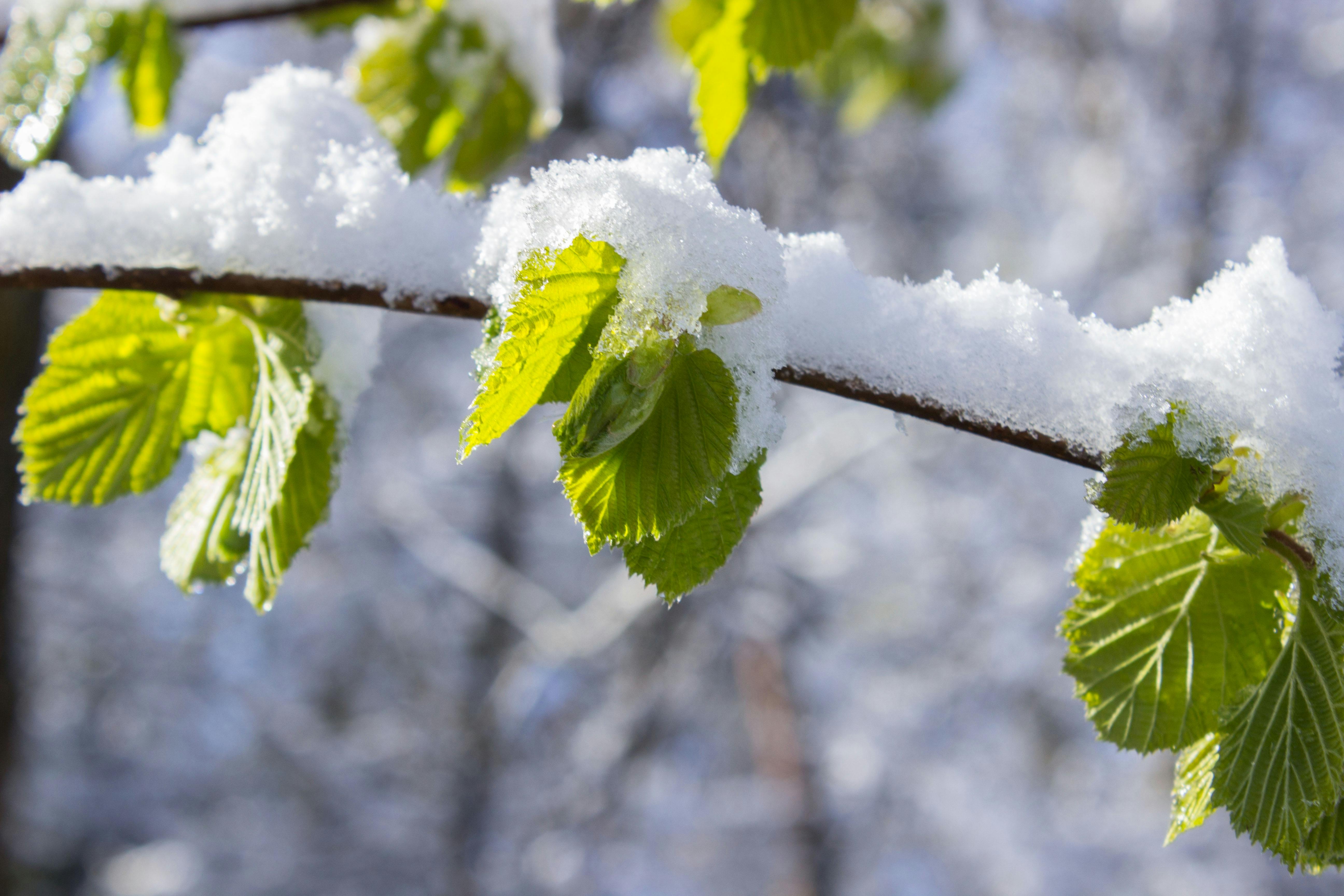
Climate change is impacting various regions across the globe, but few places display its effects quite like the Saudi Arabian desert. Once synonymous with endless dunes and scorching temperatures, this arid landscape is undergoing a surprising transformation, marked by an unusual phenomenon: snowfall. Yes, you heard it right! Snowfall in the Saudi Arabian desert is becoming an unexpected reality, revealing the stark contrasts of climate change.
A Shift in Weather Patterns
The Saudi Arabian desert, known for its extreme heat, is experiencing shifts in weather that many climate scientists find troubling yet fascinating. The increased unpredictability of weather patterns is a direct result of global warming. Warmer ocean temperatures, changing wind patterns, and a rise in greenhouse gas emissions are all contributing to this shift.
- Average temperatures in the Middle East has risen by about 1.5 degrees Celsius since the mid-20th century.
- Reports have shown rare snowfall events in Saudi Arabia occurring more frequently, particularly in the northern regions.
Snowfall: A Rare Yet Captivating Phenomenon
The phenomenon of snowfall in the Saudi Arabian desert is not just a one-off event. In fact, it has been documented multiple times in recent years. The winter of 2021 saw parts of the Tabuk region blanketed in snow, transforming the landscape into a picturesque winter wonderland. People were shocked and excited, as the sight of snow-covered sand dunes is something they never thought they would see.
- In January 2021, the cities of Tabuk and Al-Ula experienced several centimetres of snow.
- Locals and tourists alike flocked to these areas, capturing stunning photographs of snow atop palm trees and dunes.
The Science Behind it All
The reason behind this unusual snowfall can be attributed to a combination of meteorological factors. Cold air from the north meets moist air from the Mediterranean, creating the right conditions for precipitation in the form of snow. This juxtaposition is becoming more common as climate change alters weather systems worldwide.
- Increasingly unstable weather patterns result in unusual cold spells.
- These cold spells are now more likely to coincide with moisture-laden air, leading to snowfall.
The Environmental Impact
While the picturesque scenes of snow might delight many, the environmental implications of such changes are concerning. The Saudi Arabian desert’s ecosystem is not adapted to handle snowfall, which can disrupt local flora and fauna.
- Plants that thrive in arid conditions may struggle to survive sudden cold snaps.
- Local wildlife, which is typically accustomed to heat, may find it difficult to adapt to the changing climate.
Economic and Social Implications
The effects of snowfall in the desert extend beyond the environment. The tourism industry has the potential to capitalise on these unique winter experiences. In a country where summer heat can be unbearable, winter snowfall presents an opportunity for a new type of tourism.
- Tourists are increasingly drawn to the region for its unique attractions.
- Local economies could benefit from winter sports and activities, although infrastructure may need to be developed.
Comparing Snowfall: Saudi Arabia vs Other Regions
Snowfall in the Saudi Arabian desert might seem outlandish, but it’s not entirely unique when compared to other regions experiencing similar climatic shifts.
- Middle East: Countries like Iran and Lebanon have also seen unexpected snowfall.
- North Africa: Areas such as the Atlas Mountains in Morocco have experienced similar winter weather anomalies.
What Lies Ahead?
As climate change continues to reshape the world, the future of the Saudi Arabian desert remains uncertain. With the potential for more snowfall, the region could see a shift in its identity. The desert may evolve into a destination for winter tourism, but that needs to be balanced with environmental considerations.
- Increased snowfall could lead to more water resources, though managing that water will require careful planning.
- Long-term ecological effects could alter the desert’s landscape permanently.
Saudi Arabian desert snowfall is a stunning phenomenon, unveiling the intricacies of climate change’s impact. People witness a landscape redefining itself in real-time, reminding us all of the unpredictable nature of our planet. As we move forward, understanding these changes and adapting to them will be crucial for both the environment and the communities that reside in this remarkable part of the world. The allure of winter wonder in the desert beckons, yet it carries with it a significant weight of responsibility for future generations.
The Science Behind Desert Snow: Why Saudi Arabia Experiences Rare Winter Snowfall
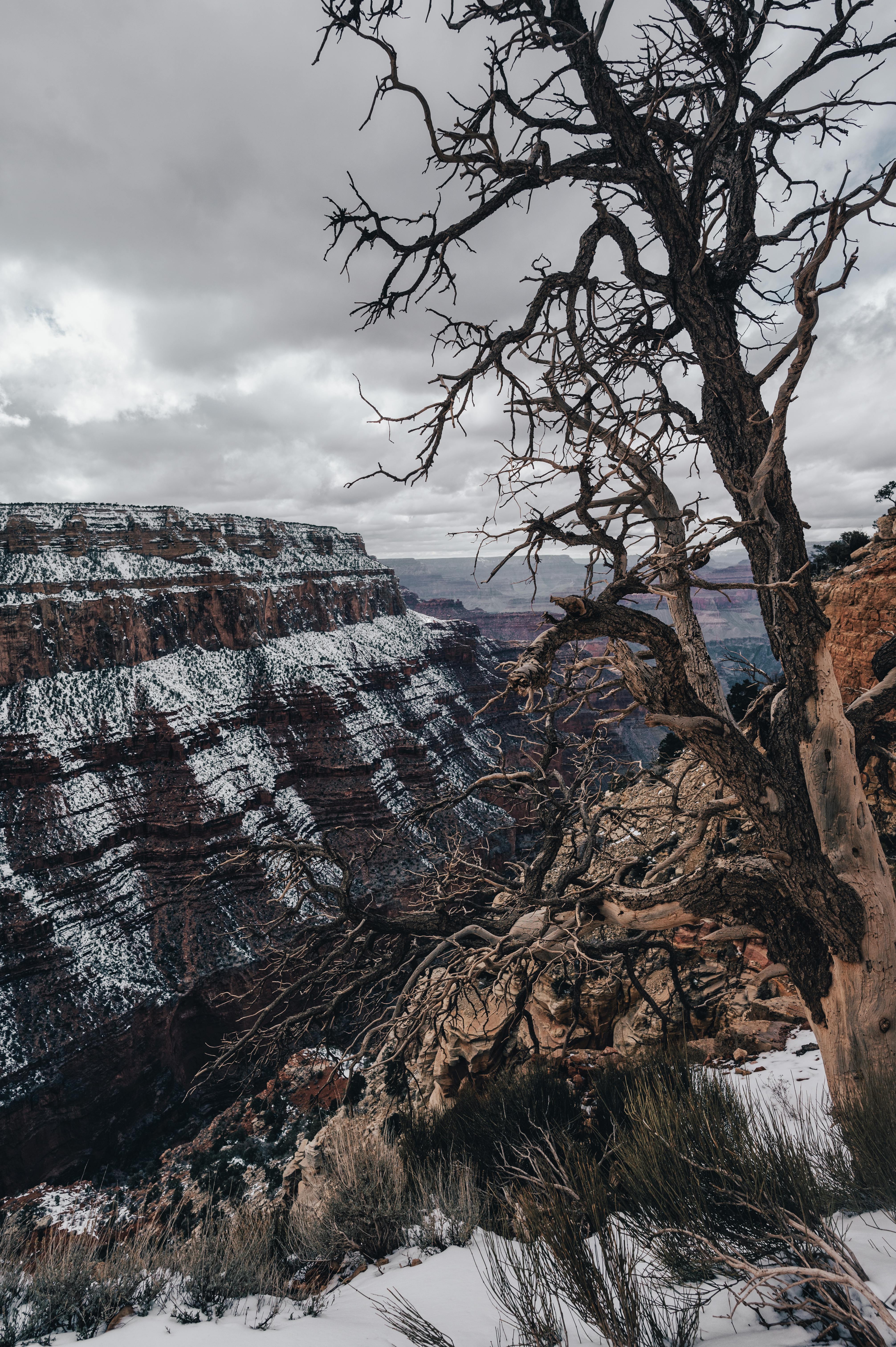
Winter in the Saudi Arabian desert is not something most people associate with snow. Yet, in recent years, unusual weather patterns have brought rare snowfall to this arid region, creating a stunning winter wonderland that leaves many scratching their heads. So, what exactly causes this phenomenon? Let’s explore the science behind desert snow and understand why Saudi Arabia experiences these rare winter snowfalls.
The Climate of Saudi Arabia
Saudi Arabia is predominantly known for its dry and hot climate. With vast expanses of desert, including the Rub’ al Khali, or Empty Quarter, temperatures can soar above 50 degrees Celsius in the summer months. However, winter months can bring a significant drop in temperature, particularly in the northern regions. The temperature sometimes falls below freezing, particularly at night.
- Key climate facts:
- Average winter temperatures: 5 to 15 degrees Celsius in the north.
- Rainfall: Most regions get less than 100mm annually.
- Snowfall: Rare, but not impossible in the mountains and northern deserts.
How Snow Forms
Snow forms when moisture in the atmosphere freezes into ice crystals. In typical scenarios, this happens in cold regions where the temperature is consistently below zero. However, in the case of Saudi Arabia, a unique combination of factors leads to the creation of snow:
- Temperature drops: During winter, nights can become extremely cold, especially in the north.
- Moisture in the air: Cold fronts from the Mediterranean can push moisture into the region.
- Elevation: Areas like the Asir Mountains experience cooler conditions which can support snowfall.
Rare Instances of Snowfall
The most remarkable instances of snowfall in Saudi Arabia have been reported in various locations, including the northern regions like Tabuk and mountainous areas. These events are often short-lived but leave a lasting impression on those who witness them.
- Notable snowfall events:
- 2016: Tabuk experienced a significant snowfall, causing road closures and delighting residents.
- 2021: Unusual weather patterns brought snow to several areas, including the Al Ula region, known for its stunning rock formations.
Factors Influencing Snowfall
Several meteorological phenomena contribute to the rare occurrences of snow in the desert. These include:
- Cold Fronts: As cold air masses move in from the north, they can collide with warmer, moisture-laden air, leading to precipitation.
- Topography: The mountainous areas can trap cold air and moisture, creating conditions for snowfall.
- Climate Change: Some scientists suggest that climate change is altering weather patterns, making such events more frequent.
Comparison with Other Regions
While snowfall in deserts seems bizarre, it is not unique to Saudi Arabia. Other desert regions across the globe experience similar phenomena, albeit infrequently. Here are a few examples:
- Atacama Desert (Chile): Snow occasionally falls in the Andes mountains bordering this desert region.
- Sonoran Desert (USA): In higher elevations, snowfall can occur, particularly in the winter months.
- Gobi Desert (Mongolia): This region sees snow but typically in a much colder climate.
The Impact of Desert Snowfall
When snow does fall in Saudi Arabia, it has several effects on the environment and society:
- Ecological Impact: Snow can replenish groundwater supplies as it melts, benefiting local flora and fauna.
- Tourism Boost: Unusual weather patterns attract tourists seeking unique experiences, leading to increased economic activity.
- Cultural Significance: Snowfall is often celebrated in local traditions, and it creates a sense of wonder among residents.
What to Expect in the Future
With the changing climate, we may see more instances of desert snowfall in the future. Scientists are studying these patterns to understand how global warming might affect desert climates, including Saudi Arabia.
- Potential future trends:
- Increased variability in winter temperatures.
- More frequent cold fronts bringing moisture.
- Changes in local ecosystems and agricultural practices.
As Saudi Arabia continues to unveil its stunning winter wonder, the phenomenon of desert snowfall serves as a reminder of the complexities of our climate and the surprises it has in store. This rare occurrence not only fascinates those who encounter it but also highlights the intricate balance of environmental factors that make such events possible, even in one of the hottest places on Earth. The Saudi Arabian desert may not be the first place one thinks of for snow, but its beauty during these rare winter moments certainly captures the imagination.
Captivating Photos of Saudi Arabian Desert Snowfall: A Visual Journey Through a Winter Wonderland

The sight of snowflakes gently falling on the golden dunes of the Saudi Arabian desert is nothing short of astonishing. The rare phenomenon of snowfall in this arid region has captured the imaginations of many and provided a refreshing twist to the typical landscapes associated with Saudi Arabia. This article takes you on a visual journey through this winter wonderland, showcasing captivating photos of Saudi Arabian desert snowfall, a stunning winter wonder unveiled in a place you wouldn’t expect it.
A Rare Occurrence in the Desert
Snowfall in the Saudi Arabian desert is extremely uncommon. Most people imagine the vast stretches of sand, intense heat, and dry conditions when they think of this region. However, the climate can surprise you. Some areas, particularly the northern regions like Tabuk, have been known to experience winter storms that result in snow. These events usually happen when colder winds from the north collide with the warmer air from the desert, creating conditions suitable for snow.
Fascinating Weather Patterns
The weather patterns that lead to such unexpected snowfall can be rather complex. Here’s a brief overview:
- Cold Fronts: These are significant drops in temperature that can sweep across the region, often bringing snow.
- Geographical Features: The mountains and higher elevations in the north allow for colder temperatures. This can lead to snowfall, particularly in winter months.
- Humidity Levels: While the desert is generally dry, certain weather conditions can increase humidity, promoting precipitation in the form of snow.
Stunning Visuals That Take Your Breath Away
The photos that emerge from these rare snowfalls are absolutely breathtaking. Imagine white blankets covering the rugged terrain, contrasting sharply with the usual brown and gold of the desert landscape. Here’s a list of some stunning visuals you might encounter:
- Snow-Covered Dunes: Pictures of soft, undulating sand dunes draped in a layer of white, creating a surreal image.
- Frozen Oasis: Photos of palm trees peeking through a blanket of snow, highlighting the oddity of such a scene.
- Mountain Peaks: The snow-capped mountains in the background serving as a dramatic backdrop, enhancing the beauty of the desert.
- Desert Wildlife: Images of animals, like camels or foxes, wandering through the snow, showcasing how life adapts to these rare conditions.
Historical Context of Snow in Saudi Arabia
Historically, snowfall in Saudi Arabia has been a topic of folklore and local tales. While many people believe it to be a myth, there are recorded instances of snow dating back to the 1950s. Since then, these events have become more frequent but still remain a rarity. Each snowfall tells a story of change in climate patterns and challenges our understanding of the Middle Eastern weather.
The Impact of Climate Change
The phenomenon of snowfall in the desert also brings attention to the broader issue of climate change. Scientists have noted that shifting weather patterns may lead to more extreme weather events, including unexpected snowfall in arid regions. This could have:
- Effects on Local Ecosystems: Changes in snowfall patterns could disrupt local flora and fauna, affecting survival rates during harsh winters.
- Economic Impact: Tourism could increase as people flock to witness this rare occurrence, creating new opportunities for local economies.
- Cultural Shifts: As people become more aware of these events, it could change how they view their environment and adapt to new weather realities.
Practical Examples of Experiencing Snowfall
If you’re interested in experiencing the wonder of Saudi Arabian desert snowfall, here are some practical tips:
- Visit During Winter: The best time to witness snowfall is typically between December and February.
- Stay Updated: Keep an eye on weather forecasts, especially in the northern regions like Tabuk or the Asir Mountains.
- Photography Gear: If you’re a photography enthusiast, ensure to bring the right equipment to capture the stunning visuals of the snow-covered desert.
Images of Saudi Arabian desert snowfall are not just pretty pictures; they symbolize a unique blend of wonder and reality. Each photo tells a story, reminding us all of the unpredictable nature of our environment. So, whether you’re an adventurer, a photographer, or simply someone curious about the world, keep an eye out for this stunning winter wonder unveiled in the heart of the desert.
What to Expect When Visiting the Saudi Arabian Desert in Winter: Snowfall and Beyond
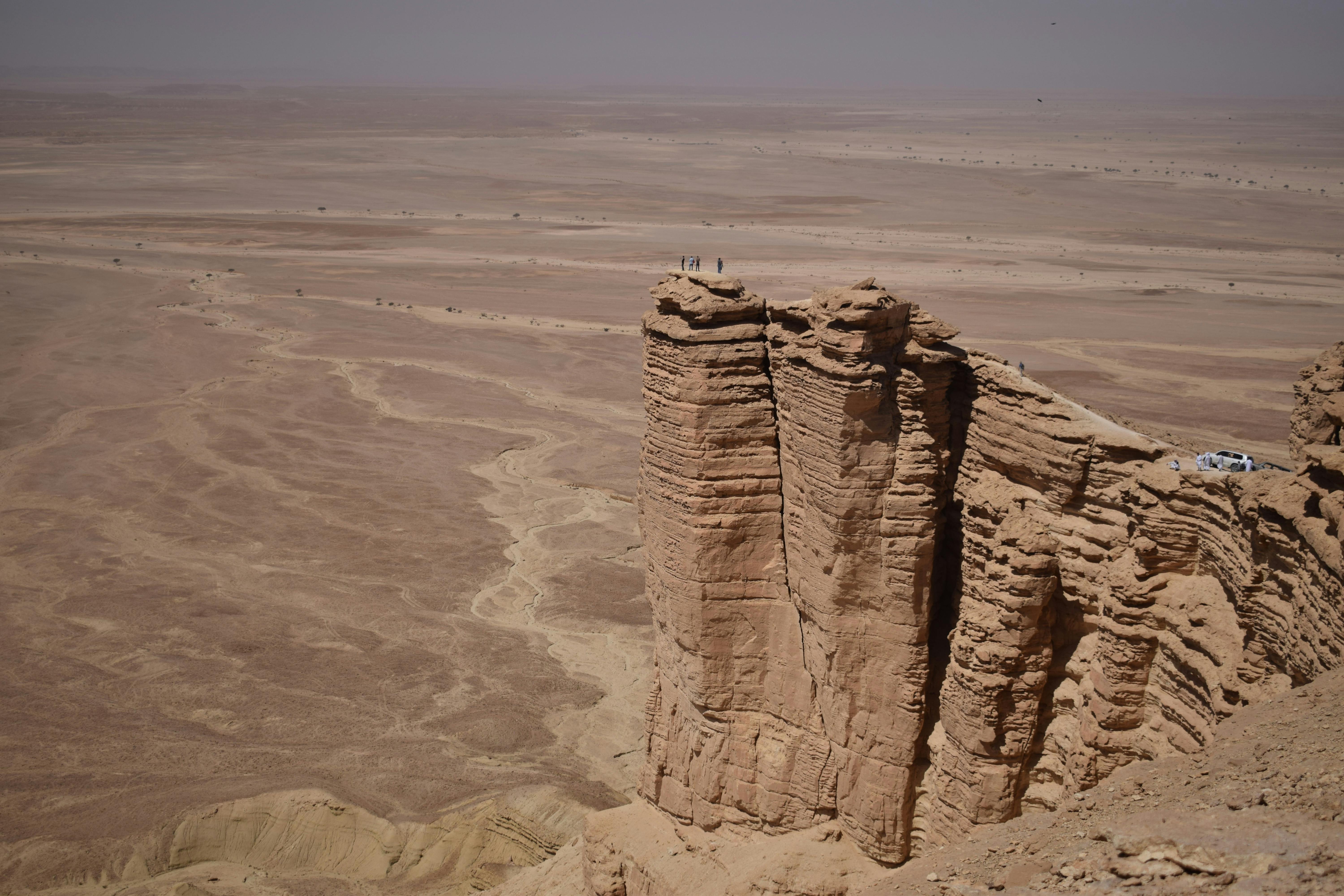
Winter in the Saudi Arabian desert is often thought of as a time of stark beauty and surprising elements. Many people associate the Arabian landscape with scorching heat, but when temperatures drop, a whole new world emerges. Yes, you heard it right, snowfall in the Saudi Arabian desert is a stunning winter wonder unveiled. This article will explore what to expect when visiting this unique desert in winter, covering everything from breathtaking views to the unexpected chill in the air.
A Surprising Climate Shift
The climate in the Saudi Arabian desert can be harsh, with temperatures soaring above 40°C in the summer months. However, in winter, particularly between December and February, temperatures can plummet to below freezing at night. This is when the desert reveals its hidden treasures: frost-covered dunes and, in some regions, the rare occurrence of snowfall.
- Winter Temperature Range:
- Daytime: 15°C to 25°C
- Nighttime: -1°C to 8°C
It’s this drastic shift that can catch many visitors off guard. Visitors should prepare for cold nights even if the days are warm.
Regions to Witness Snowfall
Not all areas of the Saudi Arabian desert experience snowfall. Some regions are more likely to see this rare phenomenon, and they are often stunning to behold. Here are a few key locations:
- Tabuk Region: Known for its mountainous terrains, Tabuk sees the most snow during winter. The nearby Jebel al-Lawz is a prominent site for snow activities.
- Al-Ula: Famous for its rock formations and historical sites, Al-Ula occasionally receives a light dusting of snow, creating a magical backdrop to its ancient wonders.
- Northern Highlands: Areas like the Sarawat Mountains and parts of Asir province also have the possibility of snowfall, offering picturesque views.
Activities to Enjoy
When visiting the Saudi Arabian desert during winter, there’s so much to do aside from just marveling at the snow. Here’s a list of enjoyable activities:
- Skiing and Snowboarding: While not traditional, some areas in the Tabuk region have been known to have makeshift slopes where visitors can have fun.
- Photography: The contrast of white snow against the red and yellow dunes is a photographer’s dream.
- Desert Camping: Winter nights provide an excellent opportunity for stargazing while wrapped in warm blankets by a fire.
- Cultural Tours: Learn about Bedouin culture and how they adapt to the changing seasons.
What to Pack for Your Trip
Packing for the Saudi Arabian desert in winter requires some forethought. Here’s a handy list of essentials you should consider:
- Warm clothing: Layers are key, including thermal undergarments, jackets, and hats.
- Footwear: Insulated boots are ideal for cold nights.
- Sunscreen: Even in winter, the sun can be intense during the day.
- Hydration gear: Staying hydrated is important, even in cooler temperatures.
Historical Context of Snow in the Desert
Snowfall in the Saudi Arabian desert is not just a whimsical occurrence; it has historical significance too. In the past, local tribes would prepare for winter by stockpiling resources and adapting their lifestyles. Historical accounts show that snow was often seen as a blessing, bringing much-needed water to the arid landscape.
Comparatively, snowfall in this region is rare when looking at global patterns. It’s not every day you can experience snow in a desert. This rarity adds to the allure of visiting during winter months.
Weather Comparisons
Let’s take a look at how winter in the Saudi Arabian desert compares to other famous desert regions:
| Desert | Average Winter Day Temp | Average Winter Night Temp | Snowfall Potential |
|---|---|---|---|
| Saudi Arabian Desert | 15°C to 25°C | -1°C to 8°C | Yes |
| Mojave Desert | 10°C to 20°C | 0°C to 5°C | Rare |
| Atacama Desert | 15°C to 25°C | 5°C to 10°C | No |
As you can see, Saudi Arabia stands out with its unique ability to surprise visitors with the possibility of snowfall.
Experiencing the Saudi Arabian desert in winter is a fascinating blend of culture, adventure, and natural beauty. With its unexpected snowfall, it creates a winter wonderland that few get to witness. So pack your bags, bundle up, and prepare for an unforgettable journey into the heart of this stunning landscape.
Conclusion
In conclusion, the phenomenon of snowfall in the Saudi Arabian desert is a striking reminder of the planet’s ever-changing climate and the surprising nature of weather patterns. We explored the rare conditions that lead to these unexpected snowfalls, highlighting the impact on local ecosystems and communities. The instances of snow in regions like Tabuk not only captivate the imagination but also challenge our understanding of desert environments, traditionally associated with heat and aridity. As climate change continues to evolve, such unusual weather events may become more frequent, prompting us to reconsider our expectations of the natural world. We encourage readers to stay informed about climate science and engage in discussions about environmental stewardship, as understanding these changes is essential for adapting to future challenges. Embrace the wonder of our planet’s diversity, and let it inspire a commitment to preserving its unique ecosystems.