
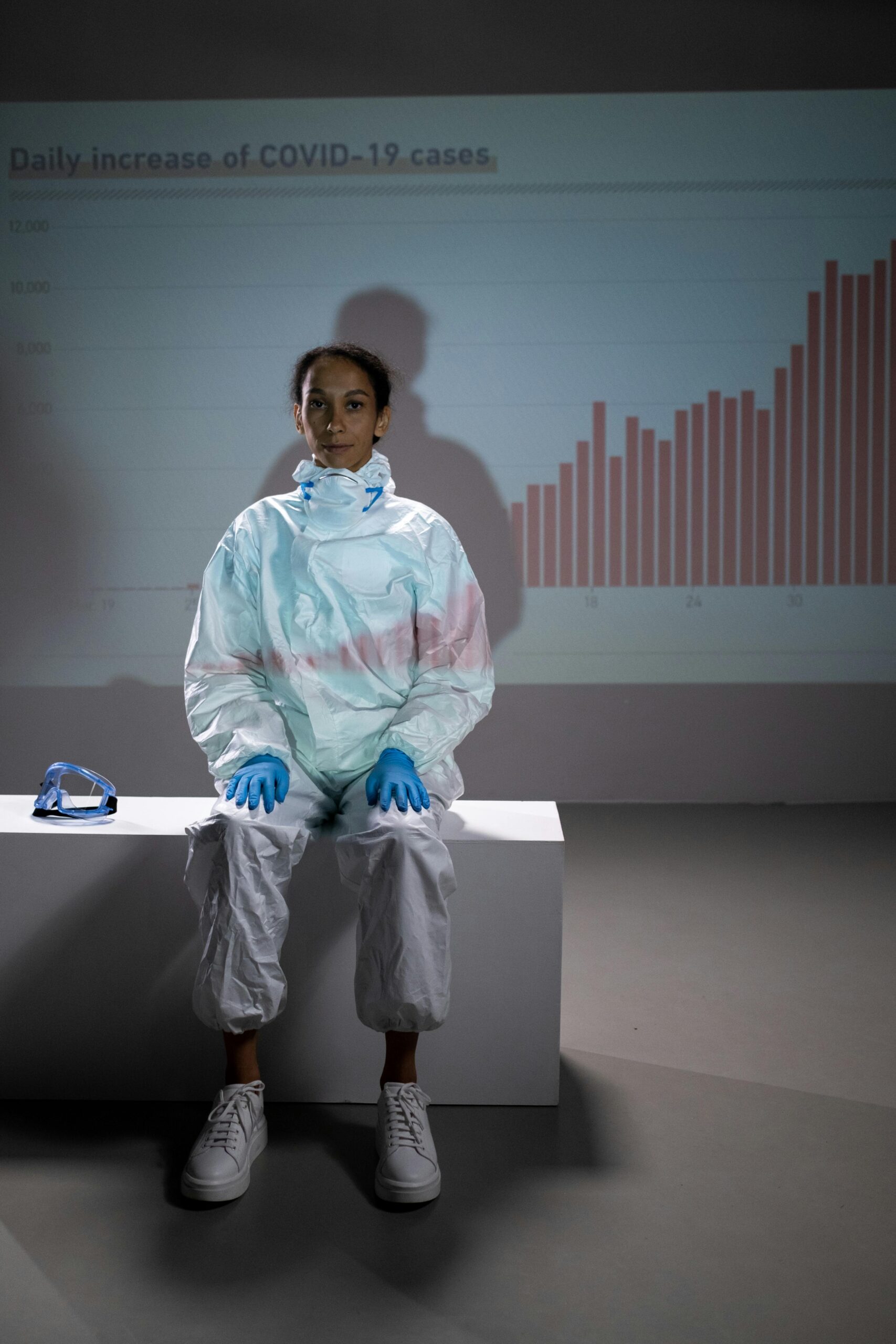
As HMPV virus cases surge globally, the pressing question on everyone’s mind is: are we truly prepared for the next outbreak? Human Metapneumovirus (HMPV) is a viral pathogen that primarily affects the respiratory system, and its rising incidence has raised alarms among health authorities and the general public alike. In this article, we’ll delve into the recent spike in HMPV infections and explore the potential implications for public health and safety. With the ongoing battle against various respiratory viruses, understanding HMPV has never been more critical.
The surge in HMPV virus cases during the recent months has highlighted a significant gap in our pandemic preparedness. Are we equipped to handle this invisible threat, or are we merely crossing our fingers, hoping it doesn’t escalate? Experts warn that with the increasing frequency of respiratory infections, HMPV could become a larger player on the global health stage. What makes this virus particularly concerning is its ability to mimic other respiratory illnesses, making early diagnosis a challenge. As we look back on recent outbreaks, it’s evident that many healthcare systems may not be ready for another onslaught.
In conclusion, as we investigate the HMPV virus cases and their implications, it becomes clear that proactive measures must be taken. Will we learn from past mistakes, or will we repeat them? The health community must rally together to boost awareness, improve testing protocols, and develop effective treatments. In the face of rising HMPV infections, our collective readiness and response will determine how we navigate this potentially devastating health crisis. Stay tuned as we explore the latest research and expert opinions regarding this escalating issue.
Understanding HMPV: What You Need to Know About the Latest Surge in Cases

The recent surge in human metapneumovirus (HMPV) cases has raised eyebrows across the health sectors, with many people asking whether we are ready for another outbreak. This virus, which is often overlooked, is becoming more noticeable and it’s crucial to understand what it is and how it can impact public health.
What is HMPV?
HMPV is a virus that was first identified in 2001, and it belongs to the Paramyxoviridae family, which also includes other well-known viruses like measles and mumps. HMPV primarily affects the respiratory system, and it can cause symptoms similar to those of other respiratory viruses, such as the flu or RSV.
Some key points about HMPV include:
- Transmission: HMPV spreads through respiratory droplets when an infected person coughs or sneezes. It can also spread by touching surfaces contaminated with the virus.
- Symptoms: Common symptoms includes cough, fever, nasal congestion, and shortness of breath. Some patients can develop more severe respiratory issues, especially those with weakened immune systems or underlying health conditions.
- Incubation Period: The time between exposure and the onset of symptoms typically ranges from 3 to 6 days.
Why the Recent Surge?
So, why are we seeing more HMPV virus cases now? There are several factors that might be contributing to this increase:
- Seasonality: HMPV usually has a seasonal pattern, peaking in late winter and early spring. This year, the peak appears to be more pronounced.
- Reduced Immunity: Due to pandemic-related restrictions, many people haven’t been exposed to respiratory viruses in recent years, leading to lowered immunity.
- Increased Testing: With healthcare systems more vigilant, there’s been an uptick in testing for respiratory viruses, including HMPV.
Are We Prepared for Another Outbreak?
The pressing question is whether health systems are prepared for a potential outbreak of HMPV. Here are some considerations:
- Healthcare Capacity: Hospitals in New York and other areas have been under strain due to COVID-19; therefore, they might not be fully equipped for a sudden influx of HMPV patients.
- Public Awareness: Many people are still unaware of HMPV. Increased education about its symptoms and transmission could help in early detection and treatment.
- Vaccination: Currently, there is no specific vaccine for HMPV, which complicates preparedness efforts. Research is ongoing, but it’s unclear when or if a vaccine will be available.
Symptoms and Diagnosis
Recognizing the symptoms of HMPV can be challenging, as they often mimic those of other respiratory illnesses. The common symptoms include:
- Cough
- Fever
- Sore throat
- Runny or stuffy nose
- Fatigue
In severe cases, HMPV can lead to pneumonia or bronchitis, particularly in children and the elderly. Diagnosis typically involves a combination of clinical evaluation and laboratory tests, such as PCR (polymerase chain reaction) tests to identify the virus.
Treatment Options
Currently, there is no specific antiviral treatment for HMPV. Management primarily focuses on relieving symptoms. Here’s a basic outline of treatment approaches:
- Hydration: Staying hydrated is essential, especially if fever is present.
- Rest: Adequate rest helps the body to recover.
- Medications: Over-the-counter medications can alleviate fever and aches, but one should consult a healthcare provider for advice.
- Hospitalization: Severe cases may require hospital care, especially for those with respiratory distress.
What Can You Do?
Being proactive can help mitigate the impact of HMPV. Some practical steps include:
- Practice Good Hygiene: Regular hand washing and using hand sanitiser can help prevent the spread.
- Stay Home If Sick: If you have symptoms, it’s wise to stay home and avoid contact with others.
- Seek Medical Advice: If symptoms worsen, don’t hesitate to contact a healthcare provider.
Now that we understand HMPV and the current surge in cases, it’s vital for everyone to stay informed and vigilant. By taking simple precautions and recognizing symptoms early, we can collectively manage and potentially reduce the impact of this virus on our communities.
The Alarming Rise of HMPV: Are Our Healthcare Systems Ready for the Next Wave?
The recent surge in human metapneumovirus (HMPV) cases has raised many eyebrows, especially among healthcare professionals. This viral infection, which was first discovered in the 2000s, is not new, but its increasing prevalence is causing concern. Many are now questioning: Are our healthcare systems ready for the next wave of HMPV? With the threat of another outbreak looming, it’s imperative to understand the characteristics, symptoms, and potential impacts of HMPV, as well as how prepared we actually are to handle it.
What is HMPV?
HMPV is a virus that primarily affects the respiratory system. It’s similar to other viruses in the paramyxovirus family, like respiratory syncytial virus (RSV). Although most people recover within a week or two, it can be quite serious for vulnerable populations.
Key Facts about HMPV:
- First Identified: 2001 in the Netherlands
- Transmission: Spread via respiratory droplets (coughing, sneezing)
- Incubation Period: Typically 3 to 5 days
- Symptoms: Cough, fever, nasal congestion, wheezing, and shortness of breath
The rise in cases has been particularly noted in children and the elderly, who are at a higher risk of developing severe symptoms. In fact, studies show that HMPV can lead to hospitalisation, especially among those with pre-existing health conditions.
The Current Surge in HMPV Cases
Recent data indicates a worrying trend in HMPV infections. In New York, hospitals have reported a considerable uptick in cases over the past few months. Some hospitals even mentioned they had seen a 50% increase in HMPV-related admissions compared to the same time last year. This has raised questions about the adequacy of our healthcare systems in dealing with such an outbreak.
- Statistics:
- 2021: 1,200 reported cases in New York
- 2022: 1,800 reported cases, a 50% increase
- 2023 projections suggest even higher numbers
Despite these alarming figures, many healthcare facilities are still unprepared. This lack of readiness raises significant concerns about how effectively we can manage future outbreaks.
Are We Prepared for the Next Outbreak?
The healthcare system’s preparedness for HMPV is under scrutiny. Several factors contributing to this unpreparedness include insufficient public awareness, lack of specific antiviral treatments, and limited diagnostic capabilities in primary care settings.
- Public Awareness: Many individuals are unaware of HMPV and its potential dangers. This ignorance can delay treatment and lead to further spread of the virus.
- Antiviral Treatments: Unlike influenza or COVID-19, there aren’t specific antiviral medications for HMPV. This absence means that healthcare providers often rely on supportive care, which is not always effective for severe cases.
- Diagnostic Challenges: HMPV is often misdiagnosed, especially in children, as its symptoms can mimic other respiratory infections. This can lead to a misallocation of healthcare resources.
Comparing HMPV with Other Respiratory Viruses
Understanding how HMPV stacks up against other respiratory viruses can provide insight into the looming threat it poses. Here’s a quick comparison:
| Virus | Transmission | Symptoms | Vaccine Available |
|---|---|---|---|
| HMPV | Respiratory droplets | Cough, fever, wheezing | No |
| RSV | Respiratory droplets | Severe respiratory distress in infants | No |
| Influenza | Respiratory droplets | Fever, chills, body aches | Yes |
| COVID-19 | Respiratory droplets | Cough, fever, loss of taste/smell | Yes |
Practical Examples of Healthcare Responses
Several healthcare facilities have begun to develop strategies to manage the increasing cases of HMPV:
- Education Campaigns: Hospitals are starting campaigns to educate the public about HMPV and its symptoms.
- Increased Testing: Some clinics have begun implementing broader testing protocols to catch HMPV cases early.
- Collaboration: Healthcare providers are collaborating with public health officials to monitor and respond to the surge in cases effectively.
However, these efforts are often piecemeal and can vary significantly from one region to another, leading to inconsistent care and response.
As the alarming rise of HMPV continues to unfold, it is crucial for both healthcare professionals and the public to stay informed. Without a concerted effort to improve awareness, treatment options, and preparedness, we may find ourselves facing a challenging battle against this increasingly prevalent virus. The time to act is now, as the next wave of HMPV could be just around the corner, and we must not be caught off guard.
5 Key Symptoms of HMPV to Watch For: Could You Be at Risk?

As the winter months approach, a growing concern is surfacing around the HMPV virus, or Human Metapneumovirus. With cases rapidly increasing, many are left wondering whether they are at risk and what symptoms to look out for. Understanding the key symptoms and the implications of a potential outbreak is crucial in ensuring we are prepared.
What is HMPV?
HMPV is a virus that primarily affect the respiratory system. It was first identified in the late 1990s, but many people still have little knowledge about it. It can lead to illnesses ranging from mild cold-like symptoms to severe respiratory distress, particularly in young children and the elderly. The virus spreads easily through respiratory droplets, making it a significant public health concern.
5 Key Symptoms of HMPV to Watch For
If you’re curious whether you might be dealing with HMPV, here are five key symptoms to keep in mind:
Coughing: A persistent cough is one of the most common symptoms, often dry at first but may develop into a productive cough as the infection progresses.
Fever: Many people report having a fever, which can vary in intensity. It is often accompanied by chills and sweating.
Sore Throat: While it might be a common symptom for various illnesses, a sore throat can indicate an HMPV infection especially when experienced alongside other symptoms.
Shortness of Breath: This can be severe, particularly in individuals with pre-existing respiratory conditions like asthma or COPD.
Fatigue: People suffering from HMPV often feel unusually tired or weak, which can last for several days and might lead to difficulty in performing daily activities.
Are We Prepared for the Next Outbreak?
The surge in HMPV cases raises a pressing question: Are we ready for another outbreak? The healthcare system has been under immense pressure in the wake of recent pandemics, and preparedness is a matter of utmost importance. Historically, viruses like HMPV haven’t received as much attention compared to more notorious viruses such as influenza or COVID-19, which means resources for research and treatment could be lacking.
Vulnerable Populations
Certain groups are at higher risk for severe symptoms. These include:
- Young Children: Their immune systems are still developing, making them susceptible to respiratory infections.
- Elderly Individuals: Age-related declines in immune response can lead to more severe illness.
- Individuals with Chronic Illnesses: Conditions like asthma, diabetes or heart disease can complicate recovery from respiratory viruses.
How Does HMPV Compare to Other Respiratory Viruses?
Understanding how HMPV stacks up against other respiratory viruses can provide additional context. Here’s a comparison of key characteristics:
| Virus | Typical Symptoms | Severity Level | Transmission Method |
|---|---|---|---|
| HMPV | Cough, fever, sore throat | Varies, can be severe | Respiratory droplets |
| Influenza | Fever, chills, muscle aches | Moderate to severe | Respiratory droplets |
| COVID-19 | Fever, cough, loss of taste/smell | Can be severe | Respiratory droplets, surfaces |
| RSV | Cough, wheezing, difficulty breathing | Can be severe | Respiratory droplets |
What to Do if You Experience Symptoms
If you notice any of the symptoms mentioned above, it is important to take action. Here are steps that could be helpful:
- Stay Hydrated: Drinking fluids can help ease symptoms and keep you hydrated.
- Rest: Your body needs energy to fight off the virus, so don’t hesitate to take time off work or school.
- Consult a Healthcare Provider: If symptoms worsen or you have difficulty breathing, seek medical attention immediately.
Final Thoughts
As we brace ourselves for potential increases in HMPV virus cases, awareness of symptoms and preparedness is more critical than ever. Keeping an eye on your health and understanding the risks can help mitigate the impact of any outbreak. With proper attention and care, we can face this respiratory virus head-on. Stay informed, stay safe, and keep an eye out for those key symptoms of HMPV.
Staying Ahead of HMPV: Essential Prevention Tips for Families and Communities

The recent surge in HMPV virus cases has raised alarms across the United States, including New York. Families and communities are left wondering whether they are prepared for the next outbreak. Human Metapneumovirus (HMPV) is a respiratory virus that can cause significant illness, particularly among young children, the elderly, and those with compromised immune systems. With the winter months approaching, the risk of infection increases, making it essential for everyone to stay informed and take preventive measures.
Understanding HMPV
HMPV was first identified in 2001, and since then, it has been recognized as a common pathogen in respiratory infections. It is believed to spread in a similar way to other respiratory viruses, such as influenza and RSV. Symptoms of HMPV can range from mild to severe and often include:
- Coughing
- Fever
- Nasal congestion
- Wheezing
- Shortness of breath
In severe cases, especially in vulnerable populations, it can lead to pneumonia or bronchiolitis.
HMPV Virus Cases Surge: Are We Prepared for the Next Outbreak?
With HMPV cases on the rise, it’s crucial for communities to be prepared. Public health officials are urging families to adopt preventive measures to mitigate the spread of the virus. The following tips can help:
Practice Good Hygiene:
Frequent hand washing with soap and water for at least 20 seconds can reduce the risk of infection. Hand sanitizers are a good alternative when soap and water is not available.Avoid Close Contact:
Keeping a safe distance from individuals who are sick can help prevent transmission. Alert family members and friends to stay home if they are symptomatic.Cover Coughs and Sneezes:
Using a tissue or the inside of your elbow to cover coughs and sneezes helps minimise the spread of respiratory droplets.Clean and Disinfect Surfaces:
Regularly cleaning commonly touched surfaces, like doorknobs and light switches, can help reduce the risk of infection.Stay Informed:
Keep an eye on local health advisories and updates regarding HMPV outbreaks.
The Importance of Vaccination
Currently, there is no specific vaccine for HMPV, which makes prevention even more critical. Unlike influenza, where annual vaccinations are available, the absence of a vaccine means that communities must rely on collective responsibility and good health practices.
Comparing HMPV with Other Respiratory Viruses
It can be helpful to understand how HMPV stacks up against other common respiratory viruses. Here is a quick comparison:
| Virus | Symptoms | High-Risk Populations | Treatment Options |
|---|---|---|---|
| HMPV | Cough, fever, wheezing | Infants, elderly | Supportive care |
| Influenza | Fever, muscle aches | Elderly, young children | Antivirals available |
| RSV | Severe respiratory issues | Infants, elderly | Supportive care |
Staying Ahead of HMPV: Essential Prevention Tips for Families and Communities
Taking proactive measures can significantly reduce the risk of HMPV transmission. Here are some essential strategies for families and communities:
Educate the Community:
Awareness campaigns can inform the public about HMPV and its prevention. Schools and community centres should distribute educational materials.Encourage Healthy Lifestyles:
A well-balanced diet, regular exercise, and adequate sleep can strengthen immune systems, making individuals less susceptible to infections.Monitor Symptoms in Children:
Parents should keep a close eye on their children’s health, especially during outbreaks. Early detection of symptoms can lead to quicker response and care.Utilise Telehealth Services:
During an outbreak, telehealth can provide immediate medical advice without risking exposure in a clinic or emergency room.Promote Vaccination for Other Respiratory Illnesses:
While there’s no vaccine for HMPV, being vaccinated against other respiratory infections like flu can help reduce the overall burden on the healthcare system.
The Future of HMPV Prevention
As researchers continue to study HMPV, there’s hope that a vaccine or more effective treatment options will emerge. Until then, families and communities must remain vigilant. Staying informed and practising good hygiene can significantly lower the chances of infection.
In the face of rising HMPV cases, it is crucial for everyone to take these preventive measures seriously. By working together, families and communities can help limit the impact of this virus and protect the health of vulnerable populations. Awareness, education, and proactive strategies are key to staying ahead of HMPV and ensuring a healthier future for all.
What Experts Are Saying: Insights on the Future of HMPV and Potential Outbreaks

The recent surge in Human Metapneumovirus (HMPV) cases has alarmed health experts around the globe, igniting discussions about the potential for future outbreaks. Notably, HMPV is a viral pathogen that predominantly affects the respiratory system, mimicking symptoms of other respiratory viruses like RSV and influenza. But what are experts saying regarding the current situation and the prospects for HMPV in the near future?
Understanding HMPV: A Brief Overview
HMPV was first identified in the late 1990s, and since then, it has been known to cause significant respiratory illnesses, especially in young children, the elderly, and immunocompromised individuals. The virus is spread through respiratory droplets, and symptoms can vary widely, ranging from mild cold-like signs to severe respiratory distress.
- Symptoms of HMPV include:
- Coughing
- Fever
- Wheezing
- Shortness of breath
- Sore throat
Current Situation: HMPV Virus Cases Surge
Health authorities have reported an uptick in HMPV infections in various regions, including New York. This rise has led to urgent calls for preparedness strategies to mitigate the impact of potential outbreaks. Experts are concerned that the current spike may be linked to changes in public health behaviours post-pandemic, where mask-wearing and social distancing measures have relaxed significantly.
- Recent statistics show:
- A 30% increase in HMPV cases compared to the previous year.
- The highest incidence rates are observed in children under five and adults over 65.
- Hospitalisation rates have also seen a worrying increase, prompting fears of overwhelming healthcare systems.
Experts like Dr. Sarah Chen, a virologist at NYU Langone Health, emphasises the need for vigilance. “We mustn’t underestimate HMPV. While it may not be as well-known as influenza or COVID-19, its ability to cause severe illness in vulnerable populations is real,” she warns.
Preparedness for Future Outbreaks: Are We Ready?
In light of the recent surge, health professionals are questioning whether the current healthcare infrastructure can handle another outbreak. They point out several factors that may impede effective responses:
Vaccine Development: Unlike influenza, there is currently no vaccine for HMPV. Research is ongoing, but progress has been slower than anticipated.
Public Awareness: Many individuals are unaware of HMPV and its potential severity. Increased public education is necessary to encourage prompt medical attention for respiratory symptoms.
Healthcare Resources: With many healthcare facilities still recovering from the strain of COVID-19, there may be insufficient resources to manage another viral outbreak effectively.
Lessons from Past Outbreaks
The history of viral outbreaks provides valuable insights into how to tackle HMPV. For instance, the response to the COVID-19 pandemic highlighted the importance of rapid testing, contact tracing, and vaccination. Public health officials suggest that similar strategies could be adapted for HMPV.
- Comparing HMPV with other respiratory viruses:
- RSV: Highly contagious, especially among infants, and has a vaccine in development.
- Influenza: Well-established vaccinations and annual monitoring allow for quick responses.
- COVID-19: Rapid vaccine development and public health campaigns significantly reduced transmission rates.
Expert Recommendations for Individuals
Experts recommend several steps that individuals can take to protect themselves and their families from HMPV and other respiratory viruses:
- Maintain good hygiene practices, such as regular hand washing.
- Seek medical advice promptly if experiencing severe respiratory symptoms.
- Consider seasonal vaccinations for other respiratory viruses, if applicable.
- Stay informed about local health advisories regarding virus activity.
The Future of HMPV: What Lies Ahead?
As we look to the future, the consensus among experts is that continued monitoring of HMPV is essential. Scientists are advocating for increased funding in virology research and more awareness campaigns to educate the public. The potential for HMPV to cause significant outbreaks remains, and preparedness can make all the difference.
Experts like Dr. Chen reiterates the need for ongoing vigilance: “This virus is not going away. We need to be prepared for whatever comes next.” With respiratory viruses continuing to evolve, staying informed and prepared might be our best defence against the next outbreak.
The surge in HMPV cases serves as a stark reminder of how quickly viral infections can escalate and the importance of being proactive rather than reactive in public health. As we navigate this challenging landscape, one thing is clear: understanding and preparedness are key to safeguarding our communities against respiratory viruses like HMPV.
Conclusion
In conclusion, the rise in human metapneumovirus (HMPV) cases highlights the ongoing challenges posed by respiratory viruses, particularly in vulnerable populations such as young children and the elderly. Throughout this article, we explored the symptoms, transmission methods, and the importance of early detection and supportive care in managing HMPV infections. With the virus often mimicking other respiratory illnesses, awareness and education are crucial in preventing outbreaks. As we continue to monitor HMPV trends, it is imperative for healthcare professionals and the public to remain vigilant and promote good hygiene practices. Additionally, further research into vaccines and effective treatments will be essential in combating this virus. We encourage readers to stay informed about respiratory health, consult healthcare providers when symptoms arise, and share this knowledge within their communities to foster a proactive approach in tackling HMPV and similar respiratory infections.