

Are you aware of the fridge milk storage warning that could be jeopardising your health? Many people make a common mistake when it comes to storing milk in the fridge, and it could lead to spoilage and wasted money. In this article, we’ll uncover the crucial errors that might be lurking in your fridge right now, and how you can easily avoid them.
It’s shocking how many of us simply toss a carton of milk on the shelf without considering the best way to store it. Did you know that milk storage is not just about keeping it cold? The temperature, location, and even the way you seal the container can significantly impact its freshness and safety. Are you making these common mistakes? Perhaps you’re placing it in the door, where the temperature fluctuates more than in the main body of the fridge. This seemingly harmless habit could lead to bacteria growth, making your milk sour before its time!
Moreover, understanding the best practices for milk storage can extend its shelf life and maintain its nutritional value. Are you aware of the proper way to seal your milk container after each use? Ensuring that your milk is well-sealed can prevent exposure to air and light, which are notorious for spoiling dairy products. So, if you want to keep your milk fresher for longer, it’s time to reconsider how you store it. Stay tuned as we delve deeper into these fridge milk storage warnings and arm yourself with the knowledge to safeguard your health and wallet!
The 5 Fridge Milk Storage Errors That Could Spoil Your Dairy: Are You Guilty of These Mistakes?
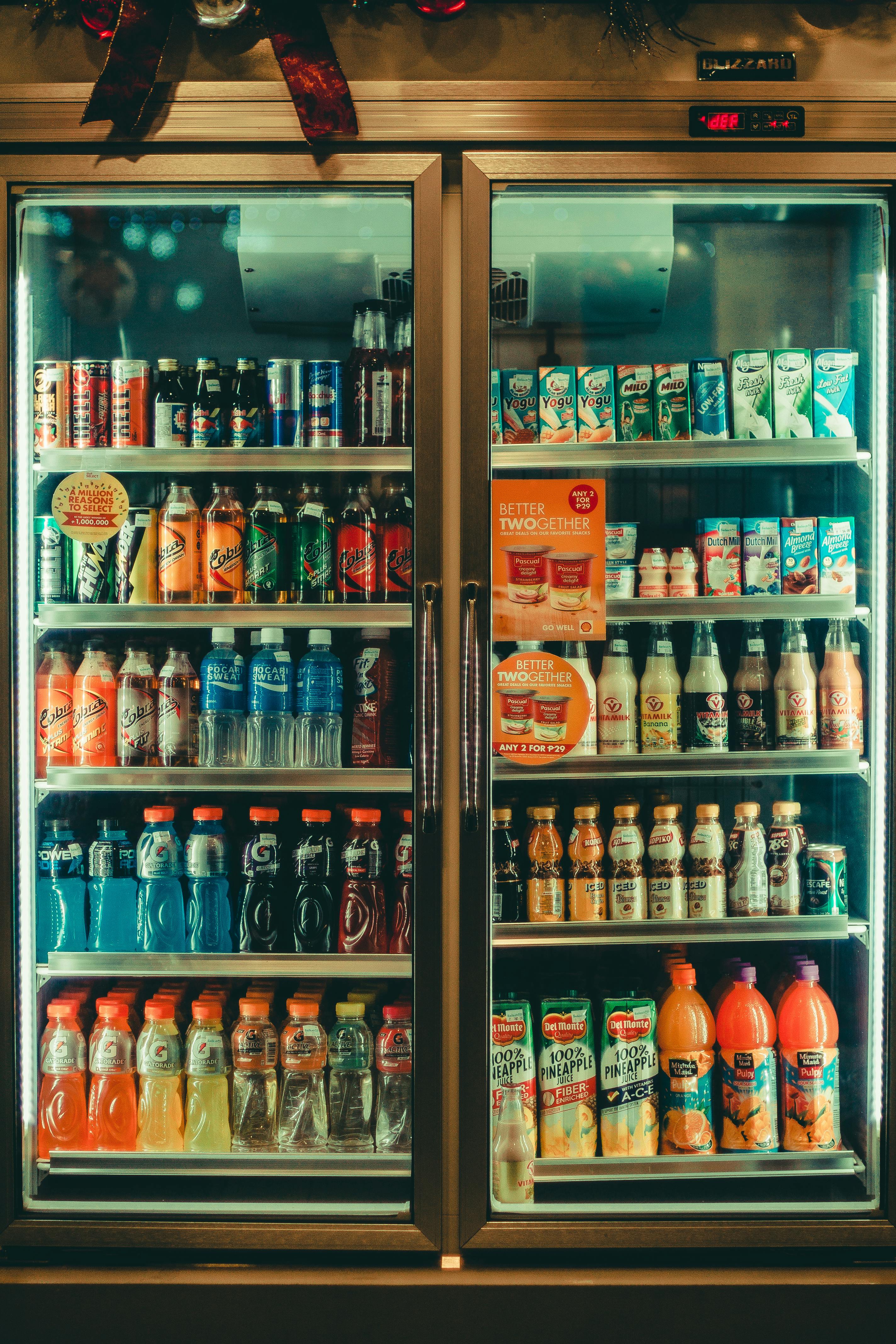
Milk is a staple in many households, but how we store it can significantly affect its freshness and safety. If you think you’re doing it right, think again. Many people make common fridge milk storage errors that could spoil their dairy products faster than they expect. Let’s dive into the 5 most common mistakes you might be making when it comes to storing milk, and see if you’re guilty of these oversights.
1. Storing Milk in the Door
You might have heard that the fridge door is the best place for beverages, but that’s actually wrong—especially for milk. The door is the warmest part of the fridge, and milk needs to be kept at a consistent, cold temperature to prevent spoilage.
- Fact: The ideal temperature for milk storage is between 0°C to 4°C (32°F to 39°F).
- Tip: Place your milk on a middle shelf instead, where it’s coldest.
2. Leaving the Cap Off
It’s easy to forget to put the cap back on after pouring a glass of milk. But did you know that leaving the cap off exposes milk to air, which can introduce bacteria and lead to spoilage?
- Consequences: Spoiled milk can lead to food waste and even stomach issues if consumed.
- Reminder: Always ensure that milk is tightly sealed after use.
3. Not Checking Expiry Dates Regularly
Many of us trust our memories when it comes to expiry dates, but that can be a risky move. Milk can spoil before its printed date if not stored properly, or if it’s been opened for too long.
- Statistics: According to studies, around 20% of milk is wasted due to spoilage.
- Action: Make it a habit to check expiration dates weekly and consume milk before it goes bad.
4. Using the Wrong Containers
While most milk comes in cartons or plastic jugs, transferring it to other containers can cause issues. Glass containers, for instance, can allow light to enter, which can affect the milk’s quality and taste.
- Best Practices: Always store milk in its original container as they are designed to keep it fresh.
- Avoid: Using open containers or non-food-safe materials, which can introduce contaminants.
5. Storing Milk Near Strong Odours
Have you noticed that your milk sometimes develops an off taste? This could be due to it being stored near strong-smelling foods like onions or garlic. Milk is sensitive to odours, and these can seep in and alter its flavour.
- Recommendation: Keep milk away from strong-smelling items in the fridge.
- Examples: Store it away from items like fish, certain cheeses, or anything that has a potent scent.
Quick Reference: Common Milk Storage Mistakes
Here’s a quick summary of the mistakes you might be making when storing your milk:
| Mistake | Consequences | Solutions |
|---|---|---|
| Storing in the fridge door | Warmer temperatures can spoil milk | Store on middle shelf |
| Leaving the cap off | Bacteria exposure leads to spoilage | Always seal tightly |
| Not checking expiry dates | Consuming spoiled milk | Check dates regularly |
| Using wrong containers | Off taste from light exposure | Use original packaging |
| Storing near strong odours | Altered flavour | Keep away from strong foods |
Making these simple adjustments in your fridge milk storage routine can have a significant impact on the quality of your dairy. Remember that milk is not just any beverage; it’s a source of nutrients and should be treated with care. By being mindful of these common mistakes, you can ensure your milk stays fresh and safe for consumption.
Next time you reach for that carton of milk, just think—are you making any of these common errors? If you are, don’t worry; it’s never too late to change your habits and keep your milk fresher for longer. Take a moment to reassess your fridge storage practices, and enjoy that perfectly fresh glass of milk!
How to Properly Store Milk in Your Fridge: 7 Essential Tips for Maximum Freshness

Storing milk properly in your fridge is crucial for keeping it fresh and safe for consumption. Many of us tend to just shove the milk in the fridge without giving much thought to how it’s stored, but this can lead to spoilage and waste. Hence, let’s dive into some essential tips for maximum freshness and also discuss a common mistake that could be ruining your milk.
1. Keep It Cold
Milk needs to be kept at a consistent temperature, ideally below 4°C (39°F). The fridge door, where temperatures fluctuate due to frequent opening and closing, isn’t the best spot for milk. It is better to store it at the back of the fridge where it is coldest.
2. Seal It Up
Always ensure that your milk container is tightly sealed. This prevents the milk from absorbing odours from other foods and helps to keep it fresh. If you’ve transferred milk to a different container, make sure that it’s airtight too. Not sealing it properly can lead to spoilage quicker than you expect.
3. Check the Expiration Date
Seems obvious, but you’d be surprised how many people ignore the expiration date on milk. Always check the date before purchasing, and once opened, try to use it within a week. However, if it’s stored correctly, it might last a bit longer.
4. Don’t Return Used Milk to the Container
If you pour milk into a glass and don’t finish it, don’t pour it back into the carton. This can introduce bacteria into the milk, leading to faster spoilage. Instead, just keep what’s left in the glass or discard it.
5. Store Milk Upright
Milk should be stored upright to avoid leaks and spills, which can contaminate other foods in your fridge. Plus, it’s easier to pour when it’s standing up.
6. Avoid Overloading the Fridge
Stuffing your fridge full of food can hinder air circulation and lead to uneven cooling. Make sure there’s enough space around the milk for the cold air to circulate. This helps maintain a consistent temperature throughout your fridge.
7. Be Mindful of Light Exposure
Light can degrade milk’s quality, especially in clear containers. If you’re buying milk in a transparent bottle, consider transferring it to a dark container or keep it in a dark place in your fridge.
Fridge Milk Storage Warning: Are You Making This Common Mistake?
One serious mistake many people make is storing milk in the fridge door. As mentioned earlier, the door is the warmest part of the fridge, exposing milk to fluctuating temperatures. Doing this can lead to spoilage much faster. Instead, put it on the middle or top shelf where it will stay cooler.
Quick Tips for Milk Storage
- Always check the date before buying.
- Store in the back of the fridge, not the door.
- Keep it sealed tightly after each use.
- Avoid returning any milk to its container after pouring.
- Maintain good air circulation in the fridge.
The Impact of Temperature on Milk
Here’s a quick comparison of how temperature affects milk freshness:
| Temperature Range | Effect on Milk |
|---|---|
| 0°C – 4°C | Optimal freshness, slows bacterial growth |
| 5°C – 10°C | Bacterial growth begins, freshness declines |
| Above 10°C | Rapid spoilage, milk can go bad within hours |
Understanding how temperature impacts milk can help you make better decisions about storage.
Historical Context of Milk Storage
Historically, before refrigeration, milk was stored in cool, dark places, and consumed quickly. The introduction of pasteurisation in the 19th century allowed milk to be stored longer, but proper storage techniques are still crucial in maintaining its quality and safety.
When it comes to keeping your milk fresh, remember these key tips. It’s not just about the expiration date; it’s about how you store it. So, the next time you put milk in your fridge, think about where you’re placing it and how you’re sealing it. With these tips, you can enjoy your milk longer without worrying about spoilage.
Milk Storage Myths Debunked: What Every Home Cook Needs to Know to Avoid Spoilage

Milk is a staple in many homes, but when it comes to storing it correctly, there’s a whole lot of confusion. Many home cooks be unaware of the best practices for keeping milk fresh and avoiding spoilage. In this article, we’re gonna debunk some common myths surrounding milk storage and warn you about critical mistakes that could be ruining your fridge’s milk supply.
Common Milk Storage Myths
When you think about milk storage, you might think that all you need is a cold fridge. However, there’s a bit more to it. Here are some myths that many people believe:
Myth 1: Milk can be stored anywhere in the fridge.
- This is not true. The door of the fridge is the warmest part, so it’s not the best place for milk.
Myth 2: Milk lasts indefinitely when unopened.
- While unopened milk does have a longer shelf life than opened milk, it still has a use-by date. After that, it may spoil.
Myth 3: Using milk past its expiration date is always safe.
- This is a risky gamble. Milk can spoil before its expiration date, and it’s not always safe to consume.
Myth 4: Homogenised milk doesn’t need special storage.
- Although it’s processed to reduce cream separation, it still needs to be stored properly like any other milk.
Understanding these myths can help you make better choices and keep your milk fresher for longer.
Fridge Milk Storage Warning: Are You Making This Common Mistake?
One of the biggest mistakes people make is not keeping milk at the right temperature. Milk should be stored at or below 4°C (39°F). If your fridge is too warm, you may find yourself throwing out spoiled milk. Here’s what you should keep in mind:
Don’t leave milk out of the fridge for too long.
- Even a few minutes can raise the temperature enough to promote bacterial growth.
Avoid storing milk in the fridge door.
- The door gets the most temperature fluctuation, which can lead to spoilage. Instead, place it on a shelf near the back of the fridge.
Keep milk in its original container.
- The packaging is designed to protect it from light and air, which can degrade the quality.
Tips for Proper Milk Storage
Here are some practical tips for better milk storage:
Check the temperature of your fridge regularly.
- Use a thermometer to ensure it’s below 4°C.
Seal the milk container tightly.
- This will prevent it from absorbing odours from other foods.
Use milk within a week of opening.
- This is generally a safe period to consume after opening, but always check for off smells or changes in texture.
Consider freezing milk for long-term storage.
- If you buy in bulk, pour milk into smaller containers and freeze. Just remember to leave some space for expansion.
Comparison of Milk Types and Storage Requirements
Here’s a quick overview of different types of milk and how to store them:
| Type of Milk | Storage Method | Shelf Life After Opening |
|---|---|---|
| Whole Milk | Store in the coldest part of fridge | 5-7 days |
| Skim Milk | Same as whole milk | 5-7 days |
| Soy Milk | Keep in fridge, unopened is shelf-stable | 7-10 days (after opening) |
| Almond Milk | Similar to soy milk | 7-10 days (after opening) |
| Coconut Milk | Store in the fridge, unopened is shelf-stable | 7-10 days (after opening) |
Historical Context of Milk Storage
Historically, milk has been a crucial part of human diets. Before refrigeration, people used various methods to keep milk fresh, like fermenting it into yogurt or cheese. In the 19th century, pasteurisation became common, allowing milk to stay fresh longer and making it safer to drink. Today, we rely on modern refrigeration, but understanding historical practices can be enlightening.
It’s essential to be mindful of how you store milk in your home. By debunking these myths and avoiding common mistakes, you can ensure that your milk stays fresh and delicious for as long as possible. So check your fridge, adjust the temperature, and remember these tips to make the most of your milk supply.
The Shocking Truth About Milk Shelf Life: Why Your Fridge Might Not Be Doing Its Job
Milk is a staple in many households, but how long does it really last? You might think your fridge keeps it fresh, but there’s more to the story. The shocking truth about milk shelf life reveals that even the best refrigeration practices might not be enough. Many people making simple mistakes with fridge milk storage, and these errors could be costing them more than they know.
The Basics of Milk Shelf Life
Milk is a perishable product. While it’s often labelled with a “sell by” or “use by” date, its actual shelf life is complex. Generally, when milk is stored properly in the fridge, it can last for about five to seven days after the sell by date. However, this can vary widely based on several factors:
- Type of Milk: Whole milk, skim milk, and non-dairy alternatives all have different shelf lives.
- Storage Conditions: Keeping milk at a consistent temperature is crucial. If your fridge fluctuates in temperature, this could lead to spoilage.
- Packaging: Milk stored in opaque containers lasts longer than clear ones, as light can cause deterioration.
Understanding the Temperature Game
Many folks aren’t aware that the temperature of your fridge plays a vital role in storing milk. The ideal temperature for milk storage is between 1°C and 4°C (34°F to 39°F). If your fridge is warmer, the milk could spoil faster. In fact, research shows that even a single degree above this range can cut milk’s shelf life significantly.
- Common Fridge Mistakes:
- Not checking the fridge temperature regularly.
- Storing milk in the fridge door where temperatures are less consistent.
- Leaving milk out for too long during meal prep.
Signs Your Milk Has Gone Bad
So how do you know if milk is still good? It’s not always about the date on the carton. Here’s a quick checklist:
- Smell: If it has a sour odour, it’s time to toss it.
- Texture: Lumpy or chunky milk is a clear indicator of spoilage.
- Taste: If it tastes sour or off, don’t risk it — throw it out!
The Role of Pasteurisation
Most milk sold in stores goes through a process called pasteurisation, which kills harmful bacteria. However, pasteurisation doesn’t make milk invincible. The shelf life of pasteurised milk is still limited. It’s important to note that raw milk, which some people prefer for its perceived health benefits, has a much shorter shelf life and carries higher risks of foodborne illnesses.
- Types of Milk:
- Pasteurised Milk: Lasts longer, usually up to a week after the sell-by date.
- UHT Milk (Ultra-High Temperature): Can last months without refrigeration until opened.
- Raw Milk: Short shelf life, typically just a few days.
Potential Health Risks
Consuming spoiled milk can lead to unpleasant digestive issues. This includes symptoms like nausea, vomiting, and stomach cramps. It’s not just about taste; it’s about health. If you’re unsure whether your milk is still good, it’s always better to err on the side of caution.
Practical Tips for Proper Milk Storage
To ensure your milk lasts as long as possible, consider these practical tips:
- Always keep milk in the coldest part of the fridge, not the door.
- Close the milk container tightly after each use to avoid contamination.
- Make sure to check the fridge temperature regularly.
- Don’t leave milk out at room temperature for extended periods.
Quick Reference Table: Milk Shelf Life
| Type of Milk | Shelf Life (Unopened) | Shelf Life (Opened) |
|---|---|---|
| Whole Milk | 5-7 days after date | 3-5 days |
| Skim Milk | 5-7 days after date | 3-5 days |
| UHT Milk | 3-6 months | 7-10 days after opening |
| Raw Milk | 3-5 days | 1-3 days |
Are You Making These Common Mistakes?
Many people are unaware of their fridge milk storage practices. Here’s a quick checklist of common mistakes:
- Not checking the sell-by date before using.
- Storing milk in the fridge door instead of the main compartment.
- Purchasing milk without considering how quickly you’ll consume it.
In conclusion, understanding the shocking truth about milk shelf life and common storage mistakes can help improve your food safety practices. Be mindful of how you store your milk, and you might just find it lasts longer than you thought. Don’t let your fridge let you down; take control of your milk storage and enjoy the benefits of fresher, safer milk.
Is Your Milk Going Off Too Soon? Discover the Hidden Factors Affecting Its Freshness in Your Fridge

Milk is a staple in many households, but have you ever wondered why it sometimes goes off quicker than expected? If you’re finding yourself tossing out spoiled milk more than you’d like, it’s worth exploring the hidden factors that can affect its freshness. There’s a chance that you might be making common mistakes regarding how you store milk in your fridge. Understanding these factors can help you maximise the shelf life of your milk and reduce waste.
The Science Behind Milk Spoilage
Milk is a perishable product, that means it can spoil due to various reasons. Bacteria play a major role in this process. When milk is first pasteurised, it’s heated to kill off harmful bacteria. However, it’s not entirely free of bacteria; some good bacteria remain, and they can multiply if the milk isn’t stored correctly.
Temperature Fluctuations: The ideal temperature for milk storage is between 1°C to 4°C (34°F to 39°F). If your fridge isn’t cold enough, bacteria can thrive. Conversely, if it’s too cold, especially in the back where the temperature can drop below freezing, it can cause the milk to spoil faster.
Exposure to Light: Milk is sensitive to light, which can break down riboflavin and cause off-flavours. Keeping milk in its original opaque container can help shield it from light, but if you’re transferring it to a clear bottle, you may want to reconsider.
Common Fridge Milk Storage Mistakes
Despite your best intentions, you might be making some common errors in storing your milk. Here’s a list of mistakes that could be contributing to your milk going off too soon:
Keeping Milk in the Door: Many people store milk in the fridge door, but this is arguably the worst place due to the constant temperature changes from opening and closing the door. Instead, store it on a middle shelf where the temperature remains more stable.
Not Sealing Properly: If you leave milk containers partially open, it invites air and bacteria to spoil the milk. Always ensure that the cap is tightly sealed after use.
Storing Near Strong Odours: Milk can absorb odours from surrounding foods. Avoid placing it next to items like onions or garlic. A strong smell can alter the taste of your milk.
Checking Expiry Dates: Relying solely on the sell-by or use-by date without considering how long the milk has been open can lead to drinking spoiled milk. Once opened, milk typically lasts about 5 to 7 days.
Historical Context: Milk Storage Practices
Historically, milk storage has evolved significantly. Before refrigeration, people used to store milk in cool basements or cellars. The introduction of pasteurisation in the 19th century revolutionised milk safety, but it wasn’t until the 20th century that home refrigeration became commonplace.
- In the early 1900s, milk was often delivered in glass bottles, which could be shielded from light. Today, however, many consumers opt for plastic containers, which can be less effective at maintaining freshness.
Practical Tips for Keeping Your Milk Fresh Longer
To ensure your milk stays fresh for as long as possible, consider implementing these practical tips:
Store Milk at the Back of the Fridge: The back of the fridge is usually the coldest part, providing a more consistent temperature for your milk.
Buy Smaller Quantities: If you find that your milk is frequently going off before you can finish it, consider buying smaller containers. This can help ensure you use it all before it spoils.
Check the Temperature: Make sure your fridge is set to the correct temperature. A simple fridge thermometer can help you monitor this.
Avoid Cross-Contamination: When pouring milk, make sure the pouring utensil is clean. Contaminants can lead to quicker spoilage.
Use Mason Jars: If you’re transferring milk, consider using a mason jar. They provide an airtight seal and can help protect the milk from light exposure.
Final Thoughts
Milk spoilage can be frustrating, especially when you pay good money for it. By understanding the factors that affect its freshness and making simple adjustments to how you store it, you can significantly extend its shelf life. Remember the common mistakes, and make small changes to your fridge storage habits. With just a little effort, you can keep your milk fresh and delicious for longer, reducing waste and saving money in the process.
Conclusion
In conclusion, proper fridge milk storage is essential to ensure its freshness and safety. We highlighted the importance of maintaining a consistent refrigerator temperature of below 4°C, as this significantly slows bacterial growth and extends the milk’s shelf life. Additionally, always store milk in its original container, as this helps to protect it from light exposure and contamination. It is also vital to ensure that milk is placed on middle shelves rather than the door, where temperatures can fluctuate more dramatically. Regularly checking expiration dates and discarding any milk that shows signs of spoilage—such as an off smell or curdling—will help prevent foodborne illnesses. As a final thought, by adhering to these simple yet effective storage practices, you can enjoy your milk at its best while minimising waste. Take charge of your fridge organisation today and ensure that your milk remains deliciously fresh for longer!