
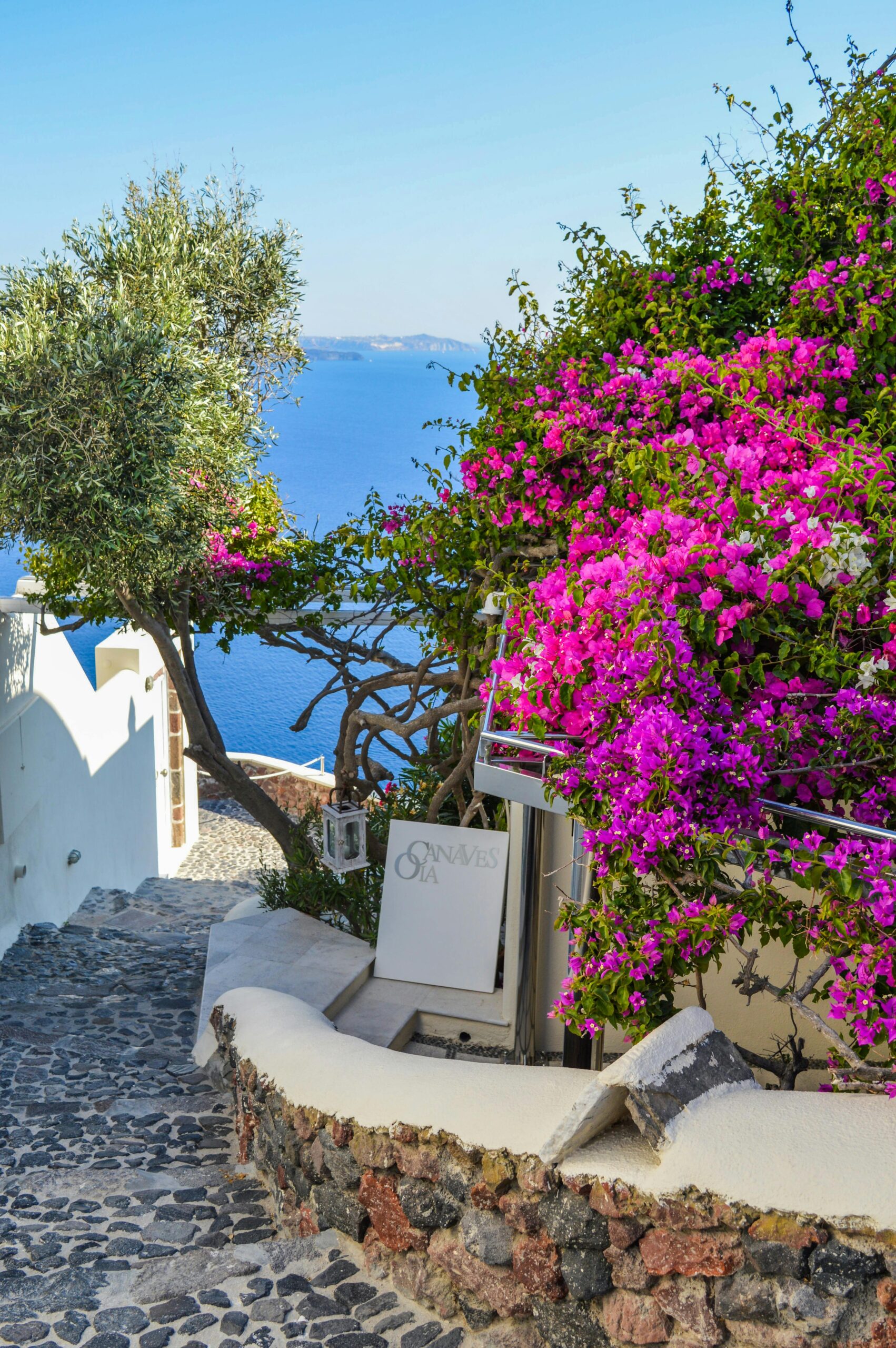
Santorini, Greece, renowned for its stunning sunsets and picturesque landscapes, is also known for its earthquake activity. If you’re planning a visit to Santorini, it’s essential to understand the potential risks of earthquakes and how to ensure your safety while enjoying this breathtaking island. In this article, we will delve into everything you need to know about Santorini Greece earthquakes, focusing on safety measures, historical earthquake data, and what you can do to stay prepared during your stay.
The volcanic activity beneath Santorini is a crucial factor contributing to its seismic events. Did you know that this beautiful island is part of a volcanic archipelago? Earthquakes can occur without warning, and while they are often mild, understanding their potential impact is vital for any traveller. What should you do if an earthquake strikes while you’re exploring the iconic white-washed buildings or lounging on the famous beaches? Knowing the safety protocols can help you stay calm and make informed decisions when it matters most.
In this comprehensive guide, we will explore the historical context of earthquakes in Santorini, providing insights into past events and their effects on the island’s infrastructure. Moreover, we will share practical tips on how to prepare for your trip, ensuring that you can fully enjoy the beauty of Santorini without unnecessary worry. So, whether you’re a seasoned traveller or visiting for the first time, stay with us to learn how to navigate the enchanting landscapes of Santorini safely, even amidst the potential for earthquake activity. Your unforgettable Greek adventure awaits!
Understanding Santorini’s Seismic Activity: How Earthquakes Shape the Island’s Landscape and Safety Protocols
Santorini, Greece, is famous for its stunning sunsets and dramatic cliffs, but beneath the beauty lies a complex geological history shaped by seismic activity. Understanding Santorini’s earthquakes is not only vital for the local population but also for the millions of tourists who visit each year. The island, which is part of the volcanic arc in the Aegean Sea, experiences frequent seismic events that have played a significant role in shaping its landscape and influencing safety protocols.
The Geological Background of Santorini
Santorini is actually a caldera, which means it formed from a volcanic eruption that collapsed into the sea. This volcanic activity, especially the Minoan eruption around 1600 BC, was one of the most powerful in recorded history, leading to significant changes in the island’s structure. The ongoing tectonic movements from the Hellenic subduction zone contribute to the seismic activity that residents and visitors might feel today.
- Key Features of Santorini’s Geology:
- The island is made up of layers of volcanic ash, pumice, and lava.
- The caldera is approximately 12 kilometres long and 7 kilometres wide.
- There are several smaller islands within the caldera, formed from past volcanic eruptions.
Recent Earthquake Activity in Santorini
In recent years, Santorini has experienced a number of earthquakes. Most of these events are minor, but they can still cause alarm, especially for those unfamiliar with the region’s geological volatility. For example, a significant earthquake in 1956 caused considerable damage, and while the island has since improved its infrastructure, the threat remains.
- Recent Earthquakes:
- 2011: A magnitude 5.3 quake struck, causing minor damages.
- 2020: Another tremor of magnitude 5.2 was felt across the island, but no injuries were reported.
It’s important to understand that while earthquakes are a natural part of life on Santorini, the island has developed systems and protocols to manage safety effectively.
Safety Protocols for Residents and Tourists
Living in a seismic zone requires preparedness. Santorini has implemented various safety measures to ensure the well-being of its inhabitants and visitors. Here are some of the protocols in place:
Building Regulations:
- Structures must adhere to strict seismic engineering codes.
- Regular inspections are conducted to ensure compliance with safety standards.
Emergency Preparedness:
- Local authorities provide earthquake drills and awareness programs.
- Emergency kits are recommended for households, including food, water, and first-aid supplies.
Tourist Safety Measures:
- Hotels and resorts often have emergency plans that are communicated to guests.
- Signage in public areas indicates safe zones and evacuation routes.
What Tourists Should Know About Earthquake Safety
If you are planning a trip to Santorini, being prepared can make a difference. Here are some practical tips for staying safe during an earthquake:
Before Your Trip:
- Familiarize yourself with the local emergency numbers (112 in Greece).
- Research your accommodation’s safety protocols.
During Your Stay:
- Identify safe spots in your hotel or rental, such as under sturdy tables.
- Keep your phone charged and have a portable charger handy.
In Case of an Earthquake:
- Drop, cover, and hold on until the shaking stops.
- Avoid windows and heavy furniture that may fall.
The Role of Technology in Monitoring Seismic Activity
Advancements in technology have enhanced the ability to monitor seismic activity in Santorini. The use of seismographs and other tools allows scientists to track earthquakes in real-time, providing important data that can inform safety measures and alert residents.
Monitoring Tools:
- Seismographs record the intensity and duration of earthquakes.
- GPS systems help measure ground deformation, indicating potential volcanic activity.
Predictive Modelling:
- Researchers use historical data to predict future seismic events.
- Community awareness programs are based on these predictions to educate the public.
Understanding Santorini’s seismic activity requires an appreciation of the island’s unique geological characteristics and a recognition of the safety measures in place. With earthquakes being a part of life here, both residents and tourists must stay informed and prepared. Whether you’re enjoying the breathtaking views or exploring the ancient ruins, knowing how to respond to the island’s natural phenomena can enhance your experience and ensure your safety.
Top 7 Essential Safety Tips for Tourists in Santorini During Earthquake Events

When planning a trip to the beautiful island of Santorini, Greece, tourists should be aware of the potential risks associated with earthquakes. Santorini, known for its stunning sunsets and picturesque white-washed buildings, lies in a seismically active region. While the island is a paradise for many, understanding how to stay safe during an earthquake is essential. Here are the top 7 essential safety tips for tourists in Santorini during earthquake events.
Understand Santorini’s Earthquake History
Greece is one of the most seismically active countries in Europe, with Santorini experiencing significant earthquakes throughout its history. In 1956, a devastating quake hit the island, causing extensive damage and loss of life. Since then, there has been various smaller tremors, but knowing this history can help tourists be more prepared.
Know the Signs of an Earthquake
Most people don’t know the early signs of an earthquake. It’s often sudden, but some signs may include:
- A loud rumbling noise
- Sudden shaking of the ground
- Objects rattling or falling
- Animals behaving strangely
Being aware of these signs can help tourists react quickly and find safety.
Identify Safe Spots
While exploring Santorini, it’s crucial to know where safe spots are located. These might include:
- Open spaces away from buildings
- Doorways that are load-bearing
- Areas away from glass windows and falling debris
Before heading out for the day, visitors should scout their accommodation and nearby areas for safe locations.
Prepare an Emergency Kit
Having an emergency kit can be a lifesaver. This kit should include:
- Water (at least one gallon per person per day)
- Non-perishable food items
- Flashlights and batteries
- First aid supplies
- A whistle to signal for help
Keeping this kit in your hotel room or in a backpack while touring can make a big difference in the event of an earthquake.
Stay Informed About Local Alerts
Tourists should always keep an eye on local news and alerts. Many hotels provide information on emergencies, but it’s also wise to download earthquake alert apps. These apps can send notifications about seismic activity, giving you a heads-up if something happens.
Practice the Drop, Cover, and Hold On Technique
In the event of an earthquake, knowing what to do can save lives. The “Drop, Cover, and Hold On” technique is widely recommended. Here’s how it works:
- Drop to your hands and knees. This position protects you from falling but allows you to move if needed.
- Cover your head and neck under a sturdy desk or table. If no shelter is available, cover your head and neck with your arms.
- Hold On until the shaking stops. Be ready to move with your shelter if it shifts.
Practicing this can help tourists react instinctively when an earthquake occurs.
Have a Communication Plan
In case of an earthquake, having a communication plan is essential. Many tourists get separated from their group during such events. Here are a few tips:
- Designate a meeting spot after an earthquake.
- Ensure everyone has a charged mobile phone.
- Use text messages to communicate since they often get through when calls don’t.
This way, you can easily find your friends or family after a shake.
Stay Calm and Help Others
Panic can lead to poor decisions during an earthquake. Staying calm is key. Here are some tips on how to remain composed:
- Take deep breaths.
- Remind yourself that most earthquakes are brief.
- Help others around you; a calm presence can ease anxiety in others.
By helping others, you can contribute to a safer environment, and that’s what makes being in a community so important.
Being aware of Santorini’s earthquake risks can greatly enhance your travel experience. Tourists can enjoy the beauty of this stunning island while ensuring their safety through proper preparation and awareness. With these tips, you will be better equipped to handle any seismic surprises that may come your way. So, pack your bags, plan your trip, and don’t forget to stay safe!
What to Expect: The Impact of Earthquakes on Santorini’s Infrastructure and Tourist Attractions

Santorini, Greece, is not just a picturesque island known for its stunning sunsets and white-washed buildings; it’s also a region that sits on the edge of seismic activity. Earthquakes are a reality that those living in and visiting Santorini must contend with. Understanding the impact of these natural events on the island’s infrastructure and tourist attractions is crucial for anyone planning a trip or residing there. This article delves into what you should expect when it comes to earthquakes in Santorini, highlighting safety measures and the broader implications for the island’s charm and allure.
Earthquake History in Santorini
Santorini has a long history of seismic activity. The most notable event occurred in 1956, when a devastating earthquake struck, causing significant damage and loss of life. Since then, the island has experienced several smaller tremors. The region is known for its volcanically active landscape, which adds complexity to its geology.
- Significant earthquakes have included:
- The 1956 earthquake, which measured 7.5 on the Richter scale.
- Smaller tremors that occur frequently, often unnoticed by tourists.
These events underscore the need for preparedness, both for locals and visitors.
The Impact on Infrastructure
Earthquakes can cause varying levels of damage, and Santorini is no exception. Buildings, roads, and other infrastructure may suffer from quake-related issues. While many structures have been retrofitted to withstand seismic activity, older buildings, particularly those that are historically significant, might not be as resilient.
Here is a list of potential impacts on infrastructure:
- Structural Damage: Older buildings may face collapse or severe structural issues.
- Road Damage: Cracks and fissures can render roads impassable, affecting transportation.
- Utilities Disruption: Water, electricity, and gas lines may be compromised, leading to outages.
- Tourism Facilities: Hotels, restaurants, and attractions may close temporarily for safety assessments and repairs.
Visitors should always keep these factors in mind when planning their trips.
Safety Measures for Tourists
If you’re planning to visit Santorini, knowing what to do during an earthquake is essential. The local government and tourism boards promote safety awareness, and several measures are in place to ensure tourists’ safety.
Here’s a list of safety tips:
- Stay Informed: Check local news and alerts regarding seismic activity.
- Know Emergency Exits: Familiarise yourself with emergency exits in your hotel or accommodation.
- Secure Belongings: Keep heavy items secured to prevent them from falling during tremors.
- Follow Local Instructions: Always heed advice from local authorities and experienced guides.
Preparedness and Response
Greece has established protocols for earthquake preparedness, and Santorini is no different. Emergency services are trained to respond quickly to seismic events, and there are community drills to enhance safety awareness.
In addition to government efforts, individual businesses often have their own safety plans. For instance, hotels may conduct regular safety drills, ensuring staff are equipped to assist guests during emergencies.
Tourist Attractions at Risk
While many tourists flock to Santorini for its beauty, some attractions may be more vulnerable to earthquakes than others. Here are a few notable sites and their potential risks:
- Ancient Akrotiri: The archaeological site is a treasure trove of history, but its structures are ancient and could be susceptible to damage.
- Oia: Known for its iconic sunsets, this village is built on a cliffside, which could pose risks during seismic events.
- Santorini Caldera: The volcanic nature of the caldera itself could be affected, leading to changes in landscape and potential hazards.
Conclusion
Understanding the impact of earthquakes on Santorini is essential for ensuring a safe and enjoyable visit. By being aware of the history, infrastructure vulnerabilities, and safety measures, tourists can appreciate the beauty of the island while remaining vigilant. Though the risk of earthquakes is a reality, the charm of Santorini continues to draw people from all corners of the globe. Remember, preparation is key, and being informed can make all the difference while enjoying this enchanting destination.
Are You Prepared? A Comprehensive Guide to Earthquake Preparedness While Visiting Santorini

When planning a trip to the stunning island of Santorini, Greece, many visitors often focus on its picturesque views, stunning sunsets, and delicious cuisine. However, it’s crucial to be aware of the potential for earthquakes in this region. Are you prepared? A Comprehensive Guide to Earthquake Preparedness While Visiting Santorini will help you navigate both the beauty and the unpredictability of this volcanic paradise.
Understanding Santorini’s Seismic Activity
Santorini, part of the Cyclades islands, sits atop a geologically active area, where tectonic plates meet. This volcanic island has a rich history of seismic events, with earthquakes being a common occurrence. From 1956’s devastating quake that caused significant damage and loss of life, to smaller tremors that happen regularly, understanding the seismic landscape is essential for tourists.
Earthquakes in Santorini usually range from mild to severe, but most are not life-threatening. However, it’s always better to be prepared. Here are some historical facts:
- 1956 Earthquake: 7.8 magnitude, left many buildings in ruins, killed over 50 people.
- 1995 Earthquake: 6.2 magnitude, caused damage but no casualties.
- Recent tremors: Smaller quakes continue to occur, often unnoticed by tourists.
What to Do Before Your Trip
Preparation is key. Before you travel, consider these steps to ensure your safety during an earthquake:
- Research: Understand the seismic history of Santorini and the areas you plan to visit.
- Emergency Kits: Pack a small emergency kit with essentials like water, snacks, and a flashlight.
- Local Laws and Regulations: Familiarise yourself with local safety regulations and emergency contacts.
- Accommodation: Choose modern hotels or lodgings that adhere to earthquake safety standards. Check reviews for comments on safety protocols.
On the Ground Safety Tips
Once you’re in Santorini, it’s essential to know what to do if an earthquake occurs. Here’s a practical list of actions:
- Drop, Cover, and Hold On: If you feel the ground shaking, drop down to your hands and knees, cover your head and neck under a sturdy piece of furniture, and hold on until the shaking stops.
- Stay Indoors: If you’re inside, stay there. Do not rush outside, as falling debris could injure you.
- Avoid Windows and Heavy Furniture: Stay away from glass, windows, and anything that could fall.
- If Outside: Move to an open area away from buildings, trees, and power lines.
What to Expect After an Earthquake
Aftershocks are common following a significant earthquake. They can occur minutes, days, or even weeks later. Here’s what you should keep in mind:
- Stay Informed: Keep a battery-operated radio or check your mobile for updates on aftershocks and safety information.
- Avoid Damaged Areas: If you see structural damage, steer clear and report it to local authorities.
- Emergency Services: Know how to contact local emergency services. In Greece, the number is 112 for emergencies.
Local Emergency Services and Contacts
It’s vital to have a list of local emergency contacts handy. Here are some important numbers:
- Police: 100
- Fire Department: 199
- Ambulance: 166
- Local Hospitals:
- Santorini Hospital: Located in Fira, offers emergency services.
- Private Clinics: There are several on the island; research their locations.
Enjoying Santorini Responsibly
While it’s essential to be prepared, it’s also important not to let fear overshadow your enjoyment of Santorini’s beauty. Here are some tips to help you balance safety with exploration:
- Join Guided Tours: Many tours include safety briefings about the area’s geology and earthquake preparedness.
- Stay Informed: Follow local news and weather updates during your stay.
- Engage with Locals: They can provide valuable insights on safety and how to navigate the island responsibly.
Visiting Santorini can be an unforgettable experience, filled with breathtaking views and rich culture. However, being aware of the potential for earthquakes and preparing for them is crucial. With the right knowledge and precautions, you can enjoy your stay while ensuring your safety. So, are you prepared? Make sure you are before setting off on your Santorini adventure!
Recent Earthquake Trends in Santorini: What They Mean for Your Travel Plans and Safety Measures

Santorini, a stunning island in the Aegean Sea, has recently become a focal point for discussions about seismic activity. The recent earthquake trends in Santorini are making many travellers rethink their plans. With its picturesque sunsets and whitewashed buildings, the allure of this Greek island remains strong. But what do these seismic shifts mean for your travel plans and safety?
Understanding the Earthquake Activity
Santorini sits on the highly active Aegean volcanic arc, which has witnessed significant seismic activity throughout history. In fact, the island’s last major eruption happened over 3,500 years ago. Although that might seem like a long time, small earthquakes are more frequent. The recent trends show an increase in minor tremors, which raises questions about safety and preparedness for visitors.
- Recent Earthquake Data:
- Magnitude: Most recent earthquakes have been around 4.0 to 5.0 on the Richter scale.
- Frequency: There’s been a noticeable uptick in minor tremors, with an average of 10-15 small quakes each month.
- Depth: Many of these earthquakes are shallow, typically occurring at depths less than 10 km.
What Does This Mean for Travellers?
While the thought of earthquakes might be alarming, it’s essential to keep things in perspective. Here’s what you need to know about Santorini Greece earthquakes and how they might affect your trip:
Safety Measures:
- Always stay informed about local safety protocols.
- Familiarise yourself with the nearest emergency exits in your accommodation.
- Consider downloading a local emergency app, if available.
Travel Insurance:
- Ensure your travel insurance covers natural disasters.
- Check the policy details on cancellations related to earthquakes.
- Look for options that include medical coverage for injuries related to seismic events.
Emergency Kit:
- Pack a small emergency kit with essentials like water, snacks, a flashlight, and a first aid kit.
- Having a portable charger for your phone can also be very useful.
Historical Context of Santorini Earthquakes
The island has a rich geological history, with its most famous eruption believed to have contributed to the decline of the Minoan civilization. This volcanic activity has shaped not only the landscape but also the culture of Santorini. Here are some key historical points:
- 1650 BC: The most significant eruption occurred, leading to the island’s current caldera.
- 1956: A powerful earthquake devastated parts of the island, resulting in significant damage and loss of life.
- Recent Activity: The past decade has seen increased monitoring and research into Santorini’s seismic activity, particularly after a series of minor shakes.
What to Do If You Experience an Earthquake
If you’re on the island during an earthquake, knowing how to react is crucial. Here’s a simple guide:
- Drop, Cover, and Hold On: Get low to the ground, cover your head and neck, and stay there until the shaking stops.
- Stay Indoors: If you’re inside, remain there. Move away from windows, and avoid doorways.
- Outside Safety: If you’re outside, find an open space away from buildings, trees, and utility wires.
Tips for a Safe Trip
Even with the potential for earthquakes, Santorini remains a breathtaking destination. Here are some practical tips to enhance your safety while enjoying the island:
- Stay Alert: Pay attention to local news and updates regarding seismic activity.
- Plan Your Itinerary Wisely: Avoid areas known for landslides or rockfalls, especially after heavy rains.
- Join Guided Tours: Local guides are often well-trained in emergency protocols and can provide insight on safe areas.
Final Thoughts
While recent earthquake trends in Santorini might cause apprehension among potential visitors, understanding the risks and preparing accordingly can help you enjoy your stay. This enchanting island, with its unique geological features and rich history, still offers an unforgettable travel experience. So, don’t let the fear of seismic activity deter you. Just stay informed, be prepared, and savour the beauty that Santorini has to offer.
Conclusion
In conclusion, the seismic activity in Santorini, Greece, serves as a reminder of the island’s dynamic geological history and its impact on both the natural landscape and human habitation. We have explored the causes and effects of earthquakes in the region, noting how the volcanic activity contributes to the island’s stunning beauty, while also posing risks to residents and visitors alike. The historical context reveals how past earthquakes have shaped Santorini’s architecture and culture, making it a unique destination steeped in resilience. As we admire the breathtaking views and rich heritage of this enchanting island, it is crucial to remain aware of the geological forces at play. For those planning to visit, staying informed about safety measures and local guidelines can enhance your experience while ensuring your well-being. Ultimately, understanding the interplay between nature and culture in Santorini adds depth to your journey—embrace the beauty, but respect the power of the earth beneath your feet.