

As the UK households brace for an impending weather warning, it’s crucial to ask: Are you truly prepared for extreme conditions? With climate change bringing unpredictable weather patterns, many families may find themselves caught off guard by sudden storms, heavy snowfall, or heatwaves. This article dives deep into the realities of these warnings, offering essential tips to ensure your home and loved ones are safe during severe weather events.
Did you know that the Met Office has issued multiple alerts this season? Each warning serves as a reminder that the UK’s weather is becoming increasingly volatile, and household resilience is more important than ever. With reports of flooding in some regions and the potential for icy roads in others, many are left wondering what steps they can take to mitigate risks. From securing your home against high winds to stocking up on emergency supplies, preparation is key to weathering the storm.
Moreover, understanding the impact of extreme weather on your local area can help you make informed decisions. Are your neighbours prepared? What community resources are available? By staying informed and proactive, you can not only protect your own household but also contribute to the safety of your community. In this article, we will explore practical measures you can implement today, discuss the importance of staying updated with local forecasts, and highlight the significance of having a robust emergency plan in place. Don’t wait until it’s too late – let’s ensure your household is ready to face whatever Mother Nature throws your way.
10 Essential Tips for UK Households to Prepare for Extreme Weather Warnings

Extreme weather events is becoming more frequent in the UK, and households must brace themself for these unpredictable conditions. Recent years have seen everything from floods to heatwaves, and with climate change, the patterns will likely continue. So, how do you prepare your home and family for such extreme weather warnings? Here’s 10 essential tips that could help your household navigate through challenging weather situations.
1. Stay Informed
The first step in preparation is to stay updated on weather forecasts. The Met Office and other weather services provide timely alerts about approaching storms or extreme conditions. Signing up for weather alerts on your phone or through social media channels may keep you informed and ready. Ignoring these warnings can lead to dangerous situations.
2. Create an Emergency Kit
An emergency kit can be lifesaving during extreme weather. This should include:
- Non-perishable food items
- Bottled water (at least 2 litres per person per day)
- First aid supplies
- Flashlights with extra batteries
- A battery-powered radio
- Important documents (in waterproof bags)
Make sure to review and update your kit regularly. It’s easy to forget about things like batteries or food that can expire.
3. Have a Family Plan
Discuss with your family what to do during extreme weather events. Having a plan in place can reduce panic. Identify a safe location in your home, like a basement or an interior room, and establish a meeting point if you get separated. Practice this together, so everyone knows what to do when the time comes.
4. Secure Your Property
Before extreme weather hits, check your property for any loose items that could become projectiles in high winds. Secure garden furniture, bins, and anything outside that could cause damage or injury. Also, clear gutters and drains to prevent flooding. Neglecting these tasks could lead to costly repairs later.
5. Insulate Your Home
Proper insulation can help keep your home warm during cold weather and cool during heatwaves. Check for drafts around windows and doors, and seal them properly. Insulating your loft and walls can also help maintain a comfortable temperature, reducing energy bills while keeping you safe from extreme temperatures.
6. Know Your Local Risks
Understanding the specific risks in your area is crucial. Are you at risk for flooding due to nearby rivers? Or perhaps your region is prone to snowstorms? Knowing what to expect can help you tailor your preparations accordingly. Check with local authorities for historical data on extreme weather events in your region.
7. Keep Your Vehicle Ready
If you have a car, ensure it’s in good condition and ready for extreme weather. Keep your fuel tank at least half full, especially during winter months. Also, have an emergency kit in your vehicle, which includes:
- Blankets
- Warm clothing
- Snacks
- A shovel
- A first aid kit
This can be particularly helpful if you get stranded due to snow or flooding.
8. Review Insurance Policies
Check your home insurance policy to see what’s covered in terms of extreme weather. Flood and storm damage may not always be included, so it’s worth talking to your insurance provider. If you live in a high-risk area, you might need additional coverage. It’s better to know this ahead of time than face unexpected costs after an event.
9. Strengthen Community Ties
Being part of a community can be incredibly beneficial when facing extreme weather. Get to know your neighbours and establish a support network. During emergencies, you may rely on each other for assistance or information. Community groups can also provide resources and help during recovery phases.
10. Stay Calm and Help Others
Finally, during extreme weather, it’s important to stay calm. Anxiety can lead to poor decision-making. If you’re well-prepared, you’ll have the confidence to help others in your community too. Whether it’s checking in on elderly neighbours or helping with clean-up efforts, your calm presence can make a difference.
Being prepared for extreme weather is not just about protecting yourself; it’s about ensuring the safety of those around you. UK households must take these weather warnings seriously and take proactive measures to safeguard their homes and families. Remember, preparation can significantly lessen the impact of severe weather. Prepare today, and keep your household safe for whatever nature throws your way.
Are You Ready? The Ultimate Checklist for UK Households Facing Severe Weather Alerts

Severe weather alerts in the UK can catch households off guard. With climate change causing more unpredictable weather patterns, it’s more important than ever for families to be prepared. So, are you ready? This ultimate checklist will help ensure that your household is equipped to face extreme conditions, regardless of what the forecast says.
Understanding Weather Warnings
Weather warnings in the UK are issued by the Met Office and can range from simple advisories to severe alerts. These warnings are categorised into three levels: yellow, amber, and red. Each level indicates the severity of the weather conditions expected, and the potential impacts. For instance, a yellow warning might mean that some travel disruptions could occur, while a red warning indicates a risk to life and property.
Historically, the UK has faced significant weather events, like the Great Storm of 1987, which resulted in widespread damage and loss of life. More recently, storms like Storm Ciara and Storm Dennis in 2020 caused severe flooding and disruption. These events serve as a stark reminder of the importance of preparedness.
Are You Prepared? Essential Supplies
When severe weather strikes, it’s vital that households have essential supplies on hand. Below is a list of items you should consider stocking up on:
- Food and Water: At least a three-day supply of non-perishable food and bottled water.
- First Aid Kit: Include plasters, antiseptic wipes, pain relievers, and any necessary medications.
- Flashlights and Batteries: Power outages are common, so have a few flashlights and extra batteries ready.
- Portable Phone Charger: In case of power failure, a portable charger can keep your mobile device powered.
- Warm Clothing and Blankets: Ensure you have enough warm clothing and blankets in case heating systems fail.
- Emergency Contact List: Write down important phone numbers including family, friends, and local emergency services.
Preparing Your Home
Before severe weather hits, it’s important to prepare your home. This can include:
- Checking Roof and Gutters: Make sure they’re clear of debris to prevent leaks.
- Trimming Trees: Remove any dead branches that could fall during storms.
- Securing Outdoor Items: Bring in or fasten down garden furniture and decorations.
- Insulating Pipes: Protect against freezing temperatures which can burst pipes.
- Stocking Up on Sandbags: If you live in a flood-prone area, having sandbags on hand can help divert water.
Creating an Emergency Plan
In emergencies, having a plan can save lives. Here’s what to include in your emergency plan:
- Communication Strategy: Decide how family members will communicate if separated.
- Evacuation Routes: Identify safe routes from your home to places like friends or family or designated shelters.
- Meeting Points: Establish a location where everyone can gather if you can’t return home.
- Pet Care: Make arrangements for your pets, as not all shelters accommodate animals.
Staying Informed
During severe weather alerts, it’s crucial to stay informed. Here’s how to do it:
- Follow Local News: Stay tuned to local radio, television, or online news outlets for updates.
- Social Media: Follow the Met Office and other reliable sources for real-time alerts.
- Weather Apps: Download apps that provide push notifications for severe weather warnings.
Final Thoughts
As severe weather becomes more common in the UK, being prepared is not just a good idea—it’s essential. By following this ultimate checklist for UK households and considering the historical context of weather patterns, families can better equip themselves for whatever Mother Nature throws their way. Don’t wait until the last minute; take action now and ensure your household is ready for extreme conditions. It’s not just about survival – it’s about peace of mind.
What to Do When the UK Weather Turns: A Guide for Households Amidst Storm Warnings

The unpredictable nature of UK weather can leave many households feeling unprepared when storms roll in. With recent weather warnings highlighting the potential for extreme conditions across the country, it’s crucial for families to understand what to do when the UK weather turns. Whether it’s high winds, heavy rain, or snow, being aware of the best practices can make a significant difference in ensuring safety and comfort during a storm.
Understanding Weather Warnings
UK households weather warning systems are designed to give people a heads up about dangerous weather conditions. The Met Office issues these alerts, categorizing them into levels:
- Yellow Warning: Be aware. Weather could cause some disruption, but not too severe.
- Amber Warning: Be prepared. Expect more severe weather, which could disrupt travel and power.
- Red Warning: Take action. Severe weather is expected, and it poses a risk to life.
It’s important to regularly check the Met Office website or local news for updates. Many people ignores these warnings, thinking it won’t affect them. However, being caught off guard can lead to serious consequences.
Preparing Your Household
When a storm is on the horizon, preparation is key. Here’s a checklist of essential items and steps families should take to secure their homes:
Emergency Kit:
- First aid supplies
- Flashlights and extra batteries
- Non-perishable food and water
- Portable phone chargers
- Important documents in a waterproof bag
Home Safety:
- Clear gutters and drains to prevent flooding.
- Secure garden furniture and outdoor decorations.
- Trim trees that might fall on your home.
Communication Plan:
- Establish how to contact each other if separated.
- Share your plan with neighbours, especially elderly or vulnerable ones.
Staying Informed
During a storm, it’s vital to stay informed about how the weather is developing. Many people relies on social media for updates, but it can be unreliable. Instead, consider these sources:
- The Met Office app for real-time weather updates.
- Local radio stations for emergency broadcasts.
- News channels, which often provide live coverage.
Be sure not to ignore updates just because it seems to be improving. Weather can change rapidly, and what seems like a minor issue can escalate quickly.
Dealing with Power Outages
Power outages are common during severe weather. Households should be prepared for the possibility of losing electricity. Here’s what to do:
- Have a Backup Power Source: Battery-operated lights or lanterns are essential. Generators can be useful, but must be used safely.
- Keep Freezer and Fridge Closed: Food can stay safe for up to 48 hours if the doors remain closed.
- Charge Devices Ahead of Time: Ensure phones and tablets are fully charged before the storm hits.
After the Storm
Once the storm has passed, it’s not over yet. Assessing damage and safety is crucial. Here’s how to proceed:
- Check for Injuries: Administer first aid if needed, and call for help if necessary.
- Assess Property Damage: Look for downed trees, broken windows, or structural damage. Take photos for insurance claims.
- Stay Updated: Continue to monitor the weather and local news for any follow-up warnings or updates.
Historical Context of Storms in the UK
The UK has faced its share of devastating storms over the years. For instance, the Great Storm of 1987 caused extensive damage and loss of life. It serves as a reminder of how quickly conditions can change. Understanding this history can help households appreciate the importance of preparedness.
Tips for Families During Storms
- Stay Indoors: Unless absolutely necessary, avoid going outside during extreme weather.
- Keep Children Entertained: Prepare activities to keep kids busy and calm, like board games or crafts.
- Check on Neighbours: Especially the elderly or those living alone, a simple phone call can make a difference.
By taking these proactive steps, UK households can feel more secure in the face of storm warnings. It’s all about being prepared, staying informed, and ensuring the safety of everyone in your home. With a little effort, families can weather any storm that comes their way.
Understanding UK Weather Warnings: What Every Household Needs to Know About Alerts and Safety

Understanding UK Weather Warnings: What Every Household Needs to Know About Alerts and Safety
The weather in the UK can be unpredictable, and households need to be prepared for anything, from heavy rain to severe snow. In recent years, the frequency and intensity of weather events has led to an increase in weather warnings, making it essential for everyone to understand what these alerts mean. Many people still don’t know how to react to such warnings, which can put their safety at risk. So, what do these warnings really mean, and how can you prepare your household for extreme conditions?
Types of Weather Warnings
In the UK, the Met Office issues various types of weather warnings that informs the public about potential hazards. These warnings are classified into different categories:
- Yellow Warning: Indicates that there might be some disruption or that the weather could be potentially dangerous. It’s a heads-up to stay alert.
- Amber Warning: This means you should prepare for severe weather. There’s a higher likelihood of disruption, and it’s time to take precautions.
- Red Warning: This is the most serious warning. It indicates extreme weather, and you should take immediate action to protect yourself and your property.
Each of these alerts serves a different purpose and comes with its own level of urgency. Understanding what these warnings signify can make all the difference in your safety and preparedness.
The Importance of Staying Informed
It’s not enough to just know about the warnings; staying informed is vital. Many households rely on traditional news outlets, but there are now many ways to get real-time updates:
- Weather Apps: Most smartphones come with built-in weather apps that can send notifications.
- Social Media: Follow the Met Office and local news agencies for instant updates.
- TV and Radio: Local stations often provide timely weather reports.
By keeping abreast of the latest weather information, you can make informed decisions about whether to stay indoors, make travel plans, or take necessary precautions.
Preparing Your Household for Extreme Weather
When a weather warning is issued, it’s critical to have a plan in place. Here are some steps to consider:
- Emergency Kit: Assemble a kit with essentials like water, non-perishable food, torch, batteries, first-aid supplies, and important documents.
- Communication Plan: Make sure everyone in your family knows how to stay in contact during an emergency. Have a designated meeting point if you get separated.
- Secure Your Property: Check the exterior of your home, securing loose items that could become dangerous in high winds or heavy snow.
- Travel Preparations: If you must travel during severe weather, inform someone of your route and expected arrival time. Always carry an emergency kit in your vehicle.
Historical Context of Weather Warnings in the UK
Weather warnings have been around for many years, but they have evolved significantly. The Met Office began issuing formal warnings in the early 1980s, but it wasn’t until the late 1990s that the system was standardised. Since then, the technology has improved, allowing for more accurate forecasts and timely alerts. In recent years, events like Storm Ciara and Storm Dennis have demonstrated how serious these warnings can be, leading to widespread flooding and disruption.
Comparing Weather Warning Systems Around the World
Different countries have their own systems for issuing weather warnings. Here’s a brief comparison:
- USA: The National Weather Service uses similar colour-coded alerts but adds additional categories like “Watch” and “Advisory” to indicate varying levels of risk.
- Australia: The Bureau of Meteorology has a comprehensive system that includes warnings for extreme heat, bushfires, and cyclones.
- Canada: Environment Canada uses a colour-coded system as well, focusing on the risks of frost, wind chill, and blizzards.
While the terminology may differ, the underlying goal remains the same: to keep the public safe and informed.
Final Thoughts
Understanding UK weather warnings is crucial for every household, particularly as extreme weather events become more common. By staying informed, preparing adequately, and knowing how to respond to different alerts, you can protect your family and your property from the unpredictability of the weather. With the right knowledge and tools, even the most severe weather conditions can be managed effectively. Always remember, preparation is key to safety.
The Impact of Extreme Weather on UK Households: Are You Prepared for the Next Big Storm?
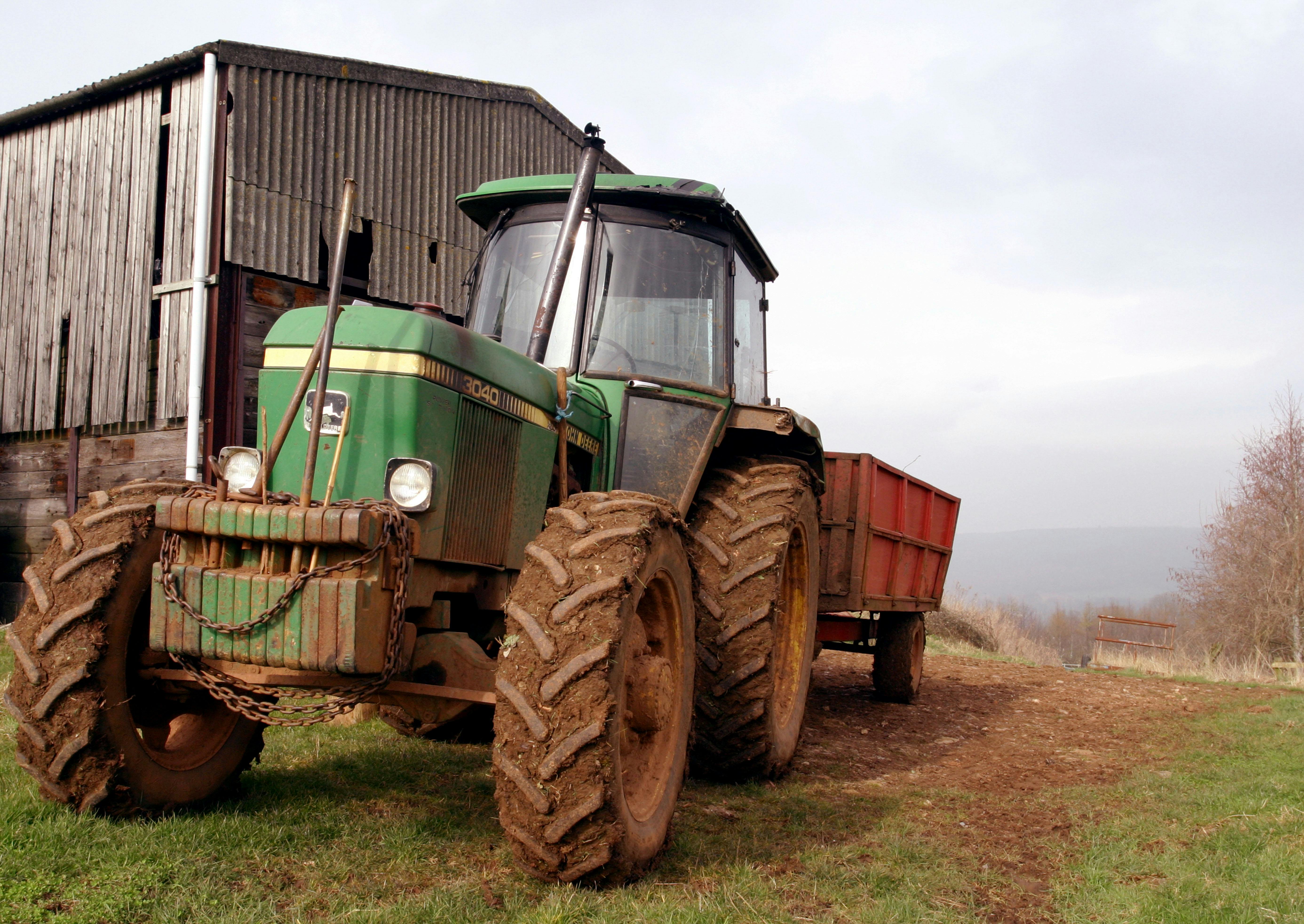
As the frequency and intensity of extreme weather events continues to rise, UK households are being faced with increasing uncertainty. Are you prepared for the next big storm? With the Met Office issuing warnings more frequently, it’s essential to understand the potential impact these extreme conditions can have on your home and family. From flooding to heavy snowfalls, the effects can be devastating, both physically and financially.
Understanding Extreme Weather Events
Extreme weather is commonly defined as any weather event that is significantly different from the average. In the UK, this includes events such as:
- Storms: High winds and heavy rainfall causing damage to properties.
- Flooding: Can occur from prolonged rainfall or melting snow.
- Heatwaves: Unexpectedly high temperatures affecting health and infrastructure.
- Snow and Ice: Disrupting transport and causing accidents.
According to the UK Climate Projections, the frequency of these events is likely to increase in the coming years, raising the stakes for many homeowners.
Historical Context
Historically, the UK has experienced its share of severe weather. For instance, the 2015-2016 winter storms resulted in significant flooding across much of northern England, leading to damage costs running into billions. A similar pattern unfolded during the Beast from the East in 2018, when heavy snow brought parts of the country to a standstill.
These events have highlighted the vulnerability of many homes, especially those in flood-prone areas. It’s not just natural disasters; even heavy rain can overwhelm drainage systems and lead to localised flooding.
The Financial Impact on Households
The financial implications for households can be severe. According to a study conducted by the Association of British Insurers, severe weather events cost the UK economy around £600 million each year in property damage alone. This figure doesn’t account for the emotional toll on families who may be displaced or lose treasured possessions.
Here are some potential costs associated with extreme weather:
- Property Repairs: Roof damage, flooding, and structural issues.
- Increased Insurance Premiums: Following a claim, premiums often rise.
- Temporary Relocation: Costs associated with finding temporary housing.
- Loss of Income: If you’re unable to work due to damage or disruption.
Are You Prepared?
Preparation can make a significant difference when it comes to mitigating the effects of extreme weather. Here’s a checklist to help you get ready:
- Review Your Insurance: Ensure your home insurance covers flooding and storm damage.
- Create an Emergency Kit: Include essentials like water, food, flashlights, and batteries.
- Install Flood Defences: If you live in a flood-prone area, consider sandbags or flood barriers.
- Keep Important Documents Safe: Store them in a waterproof container.
- Know Your Neighbours: Check on vulnerable neighbours during extreme weather events.
UK Households Weather Warning
The Met Office has been issuing weather warnings with increased frequency. Households should be attentive to these alerts, which can vary in severity:
- Yellow Warning: Be aware; potential for disruption.
- Amber Warning: Be prepared; likely disruption.
- Red Warning: Take action; dangerous weather expected.
Failure to heed these warnings can lead to dire consequences, so staying informed is crucial.
Practical Examples of Preparedness
Let’s compare two fictitious households to illustrate the impact of preparation:
Household A (Unprepared):
- Did not check insurance.
- No emergency kit.
- Experienced flooding during a storm.
- Spent thousands on repairs and temporary housing.
Household B (Prepared):
- Regularly reviews insurance.
- Has an emergency kit ready.
- Installed flood barriers.
- Minimal damage during the storm, with only minor repairs needed.
The difference in outcomes between these two households highlights how vital it is to be proactive.
Preparedness is not just about having the right insurance; it also involves understanding the risks specific to your area and taking steps to mitigate them. With changing climate patterns, now is the time for UK households to seriously consider their readiness for extreme weather. Don’t wait until the storm hits—act now to protect your home and family.
Conclusion
In conclusion, the recent weather warnings for UK households underscore the importance of preparedness in the face of unpredictable climatic conditions. With heavy rainfall, strong winds, and potential flooding posing significant risks, it is crucial for residents to stay informed and take proactive measures. We have discussed the necessity of monitoring local forecasts, securing property against storm damage, and having emergency supplies on hand. Additionally, community support and communication can play vital roles in ensuring safety during adverse weather events. As we navigate these challenges, let us prioritise safety and resilience by heeding official advice and remaining vigilant. Now is the time to review your emergency plans and ensure your household is ready to face whatever nature may throw our way. Stay safe, stay informed, and encourage your neighbours to do the same. Prepare today to protect your home and loved ones tomorrow.