
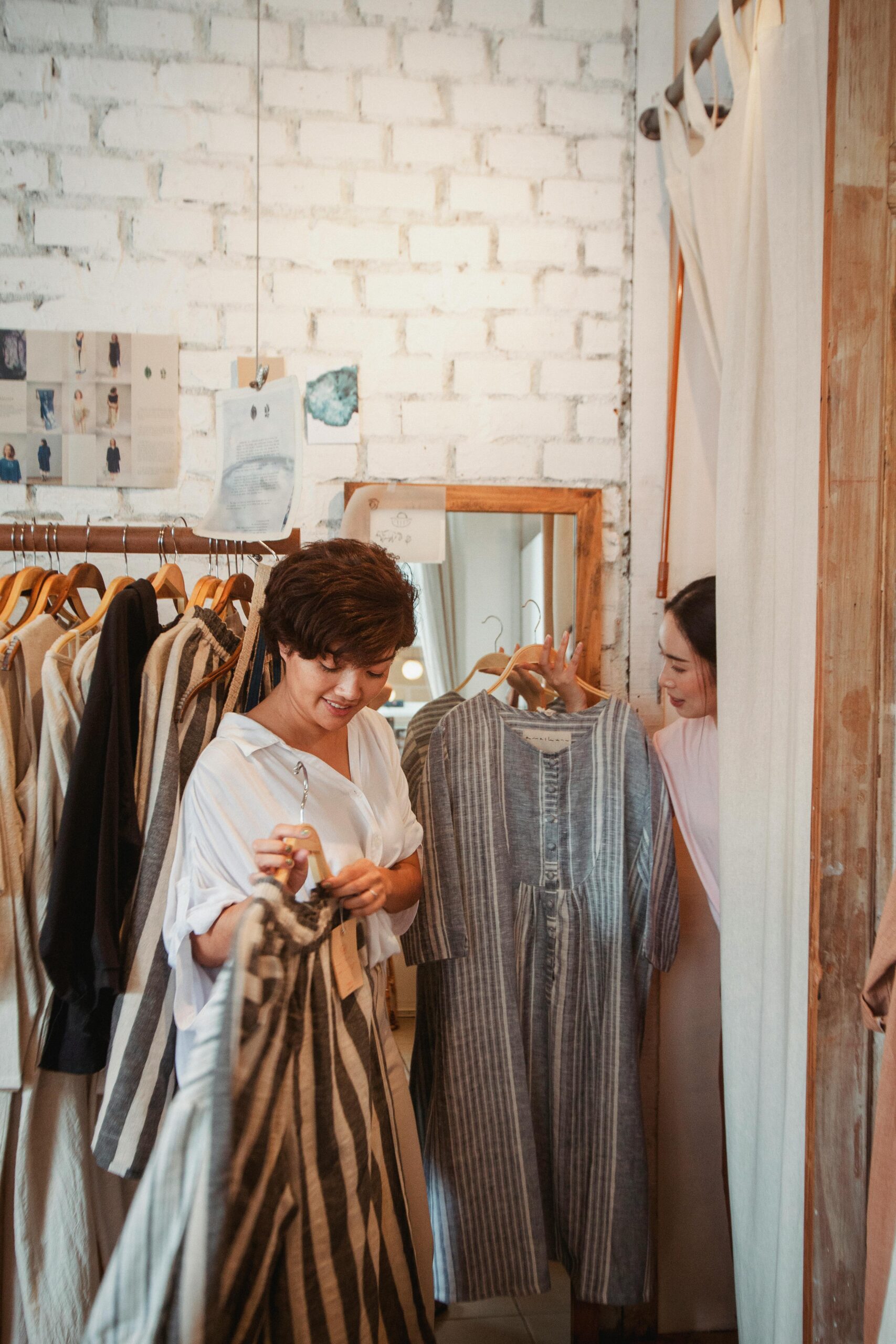
The Amazon Try Before You Buy program is coming to an end, and this development has left many shoppers pondering what this means for their online shopping experience. This innovative service allowed customers to order clothing and accessories, try them on at home, and only pay for what they decided to keep. With its discontinuation, the question arises: how will this change the way we shop?
As consumers, we have become accustomed to a certain level of convenience and flexibility that Amazon’s Try Before You Buy offered. It made online shopping not just easier but also more risk-free. However, with this option disappearing, shoppers might find themselves hesitating more before making purchases. Will this lead to an increase in returns or a shift back to traditional in-store shopping? The end of this program raises important questions about the future of online retail and customer satisfaction.
Furthermore, as we navigate this transition, it’s crucial to consider alternative options that might emerge. Will other retailers step in to fill the gap left by Amazon? Or will shoppers have to adapt their buying habits to fit a more traditional model? In this article, we’ll explore the implications of the Amazon Try Before You Buy ending and how it may reshape the online shopping landscape. From potential alternatives to practical tips for adjusting your shopping strategies, we’ll delve into the changing dynamics of consumer behaviour in an increasingly digital world. Stay tuned to discover how you can continue to shop smartly in a post-Try Before You Buy era!
How the Amazon Try Before You Buy Ending Affects Your Shopping Habits: 5 Key Changes You Need to Know

The recent announcement regarding the Amazon Try Before You Buy programme has left many shoppers scratching their heads. For those who don’t know, Amazon’s Try Before You Buy allowed customers to order clothes, shoes, and other items, try them on at home, and only pay for what they decided to keep. With its ending, there’s a lot to consider about how this will reshape shopping habits. Let’s dive into five key changes shoppers needs to be aware of.
1. Shift in Online Shopping Dynamics
With the Amazon Try Before You Buy ending, shoppers may find themselves more cautious when making purchases. The convenience of trying items on at home has been replaced by a more traditional online shopping experience, where returns can feel like a hassle. Suddenly, the joy of online shopping is tinged with anxiety about fit and quality.
- Customers might start looking for more detailed sizing information.
- The importance of customer reviews could increase, as people seek reassurance before committing to a purchase.
- The return policy of other retailers may become a significant factor in shopping decisions.
2. Increased Reliance on Customer Reviews
Without the Try Before You Buy option, shoppers will likely turn to reviews more than ever before. These reviews provides insights into the fit, quality, and style of clothing. In fact, a survey by BrightLocal found that 79% of consumers trust online reviews as much as personal recommendations.
- Shoppers might start spending more time reading reviews.
- They may prioritise brands with larger numbers of positive feedback.
- The overall rating could become a deal-breaker for many shoppers.
3. The Rise of Virtual Fitting Rooms
In the wake of Amazon’s decision, tech innovations like virtual fitting rooms is likely to gain more traction. These technologies allows customers to see how clothes might look on them without actually trying them on. While not perfect, it could lessen the blow of losing Try Before You Buy.
- Companies may invest in augmented reality apps that simulate fit.
- Virtual fitting rooms can reduce the number of returns due to sizing issues.
- More retailers might collaborate with tech firms to develop these solutions.
4. Changes in Return Policies
Many shoppers may find themselves reconsidering their go-to retailers. With Amazon’s option gone, the return policies of other retailers could become a major deciding factor. Retailers that offer free returns or extended return windows may see an uptick in sales.
- Some shoppers might switch to retailers like ASOS or Zappos, who have lenient return policies.
- Retailers who offer free return shipping may become more appealing.
- There could be a shift towards physical stores for those who prefer trying on clothes before purchasing.
5. Emotional Impact on Shopping Habits
The emotional aspect of shopping cannot be overlooked. The Try Before You Buy programme offered a sense of freedom and flexibility that many customers enjoyed. With its ending, shoppers may feel more pressure when purchasing clothing online.
- Impulse buying might decrease as consumers weigh their options more carefully.
- Shopping could become a more stressful experience rather than one of enjoyment.
- The thrill of discovery may fade, as customers are now forced to be more pragmatic in their choices.
Summary of Changes to Expect
Here’s a quick overview of the key changes that will likely impact shopping habits following the Amazon Try Before You Buy ending:
- Cautious Shopping: Increased hesitation in purchasing without trying.
- More Review Reliance: Dependence on customer reviews will heighten.
- Virtual Solutions: Growth in virtual fitting room technology.
- Return Policy Awareness: Increased attention on return policies of other retailers.
- Emotional Shifts: Transformation in the overall shopping experience, from joy to anxiety.
As shoppers navigate the new landscape of online retail, it’s important to adapt to these changes. The ending of the Amazon Try Before You Buy programme not only alters how people shop but also influences their emotional connection to the process. While it may feel like a loss at first, consumers may find new strategies to enhance their online shopping experience, ultimately leading to a more thoughtful and informed approach to making purchases. As the retail landscape continues to evolve, staying informed and adaptable will be key for shoppers wanting to make the best out of their buying experience.
The Pros and Cons of Amazon’s Try Before You Buy Closure: What This Means for Fashion Shoppers in the UK

Amazon’s Try Before You Buy service, which allowed customers to order clothes, try them on at home, and only pay for what they kept, has recently ended. This closure leaves many fashion shoppers in the UK questioning the implications for their online shopping experiences. The ease of trying on items without commitment was a game changer for many, so what does this mean for consumers?
The Concept of Try Before You Buy
First launched in 2017, Amazon’s Try Before You Buy offered a unique shopping experience. Customers could select multiple items, have them delivered, and then have the freedom to return anything they didn’t want to keep without facing any upfront payments. This was especially beneficial for those unsure of sizing or style, and it revolutionised how people approached online shopping.
Pros of the Try Before You Buy Experience
There was quite a few advantages to this service, making it a popular choice:
- Convenience: Shoppers could try on clothes in the comfort of their own homes, which eliminated the stress of crowded fitting rooms.
- No Upfront Costs: Consumers only paid for what they decided to keep, which made it feel like a risk-free shopping option.
- Flexibility: The 7-day trial period allowed customers to take their time, evaluate the fit and style, and make informed decisions without feeling rushed.
- Reduced Returns: By allowing people to try before they buy, it helped reduce the number of returns, which is a major issue in the online fashion industry.
Cons of the Try Before You Buy Experience
But, like many things, it had its drawbacks, too:
- Limited Selection: Not all items were available for the Try Before You Buy option, which could limit choices for some shoppers.
- Shipping Delays: Since customers had to wait for their items to be shipped, it could take longer than traditional shopping, especially during busy seasons.
- Pressure to Make Decisions: Some might argue the 7-day window put pressure on shoppers to decide quickly, which isn’t always ideal for everyone.
- Environmental Concerns: The increased shipping and returns can have a negative impact on the environment, with more carbon emissions from transport and packaging waste.
What the Closure Means for UK Shoppers
The ending of the Try Before You Buy programme may have several implications for shoppers in the UK:
- Return to Traditional Shopping: Shoppers might find themselves returning to physical stores more often, especially if they’re unsure about fit and style.
- Increased Return Rates: Without the option to try items on at home, there could be higher return rates for online purchases, which is a hassle for both consumers and retailers.
- Shift to Alternative Services: Other retailers might see a surge in popularity for their own try-before-you-buy or similar services, as consumers seek alternatives to Amazon.
- Heightened Focus on Sizing Guides: Brands may need to improve their sizing charts and provide more detailed product descriptions to help consumers make better-informed decisions.
Alternatives to Amazon’s Try Before You Buy
With the closure of this service, shoppers might want to explore various alternatives offered by other retailers, such as:
- ASOS: The ASOS Premier Delivery option allows for hassle-free returns, and they offer a wide range of sizes and styles.
- Zalando: Their ‘Try Now, Pay Later’ system allows customers to try items before committing to a purchase.
- Next: With their ‘Next Day Delivery’ service and easy returns, they have become a popular choice for fashion shoppers.
Final Thoughts
The end of Amazon’s Try Before You Buy service marks a significant shift in online fashion retail. While it offered convenience and flexibility, its absence might push consumers to adapt to new shopping habits. Shoppers in the UK will need to navigate these changes, perhaps exploring new platforms or embracing traditional retail experiences. Ultimately, the landscape of online fashion shopping is evolving, and it remains to be seen how consumers will adjust to this latest development.
Alternatives to Amazon’s Try Before You Buy Service: 7 Top Retailers Offering Similar Options
As Amazon’s Try Before You Buy service comes to an end, many shoppers might be left wondering what this means for their online clothing and accessory shopping experience. This unique program allowed customers to receive items, try them on at home, and only pay for what they decided to keep. As this option disappears, alternatives are becoming increasingly important. Luckily, there are several retailers out there that offer similar services, providing customers with a way to ensure that they love their purchases before committing to them.
The Impact of Amazon Try Before You Buy Ending
The discontinuation of Amazon’s Try Before You Buy service could change the way many consumers shop online. It was particularly popular among shoppers who appreciated the flexibility of trying on items in the comfort of their own home. Without this offering, customers might face increased uncertainty when shopping for clothing, shoes, or accessories online.
Some of the key potential impacts include:
- Increased returns: Shoppers might find themselves returning more items due to sizing issues, leading to added hassle.
- Shift in shopping habits: Consumers may turn to retailers that provide similar services, thus reshaping the landscape of online retail.
- Greater emphasis on size guides: Retailers could need to enhance their sizing information to help customers make informed decisions without being able to try items on first.
Alternatives to Amazon’s Try Before You Buy Service
Fortunately, shoppers still have options. Here are seven top retailers that offer similar services that can help ease the transition:
Stitch Fix
- Known for its personal styling service, Stitch Fix sends curated clothing items based on a customer’s profile. You can try on what you receive and only pay for what you keep.
Nordstrom’s Trunk Club
- This service allows customers to receive a selection of clothing tailored to their style. You can keep what you like and send back the rest, with no upfront cost.
Zalando
- Zalando offers a “Try Before You Buy” option in select locations, letting customers order multiple items, try them at home, and only pay for what they keep.
ASOS
- Through the ASOS Premier Delivery service, customers can take advantage of free returns, making it easier to try on multiple sizes or styles without financial risk.
Macy’s
- Macy’s has a similar program where you can order items online and return them in-store, which gives customers a chance to try before they buy.
Fabletics
- For activewear enthusiasts, Fabletics allows members to try on items at home and only pay for what they decide to keep, ensuring satisfaction with each purchase.
Bonobos
- Bonobos offers a unique shopping experience where customers can try on items at home and return anything that doesn’t fit right.
What This Means For Shoppers?
The ending of Amazon’s service can lead to a shift in how consumers approach their shopping. With the rise of these alternatives, customers might find more tailored experiences that can cater to their unique preferences. Here’s a few things shoppers might consider:
- Explore New Retailers: Shoppers should not shy away from exploring new brands and retailers. They might discover better styles, fits, or prices.
- Utilise Return Policies: Investigating return policies becomes crucial. Knowing how a retailer handles returns can ease the worry of ordering the wrong size.
- Share Experiences: Engaging in shopper communities can provide insights on what works best for trying on clothes at home.
The Bottom Line
As the landscape of online shopping continues to evolve, the end of Amazon’s Try Before You Buy service doesn’t have to signal the end of convenient shopping experiences. With a growing number of retailers stepping up to fill the void, shoppers have plenty of options available to them. By being proactive and exploring these alternatives, customers can maintain their ability to try on clothes before making a purchase. Adapting to these changes may even lead to discovering new favourite retailers and styles. In a world where online shopping is continually changing, staying informed about options will always benefit consumers.
What Shoppers Are Saying About the End of Amazon Try Before You Buy: Insights from 2023 Consumer Trends

The news of the Amazon Try Before You Buy program coming to an end has left many shoppers in a state of confusion and disappointment. This initiative, which allowed customers to order clothing and accessories to try on at home before paying, was a game-changer in the world of online shopping. As 2023 unfolds, insights from consumers reveal a lot about the impact of this decision and what it means for the future of retail.
What was Amazon Try Before You Buy?
Amazon Try Before You Buy started in 2017 and quickly gained popularity among fashion enthusiasts. The program allowed customers to select multiple items, have them shipped to their homes, and only pay for what they decided to keep. It was a win-win for many, especially those who struggled with sizing or were unsure about styles. Some key features included:
- No upfront payment: Shoppers could try on clothes without any initial costs.
- Flexible return window: Customers had a week to decide what they wanted to keep.
- Wide selection: The program featured a vast range of brands and styles.
However, shoppers are now expressing their feelings about the end of this service. Some say it feels like a loss of freedom, while others have mixed feelings about the change.
Shopper Sentiments: Mixed Reactions
As the news broke, many consumers took to social media and forums to share their thoughts. Here’s what they’re saying:
- Disappointment: A common sentiment among shoppers is disappointment. Many enjoyed the convenience and flexibility. One user tweeted, “I can’t believe they’re ending such a useful service! It made shopping so much easier.”
- Concern about fit: Shoppers are now worried about how to choose the right sizes without trying them on first. A frequent shopper mentioned, “Now I have to guess my size again, and that’s just a recipe for returns.”
- Desire for alternatives: Some shoppers are actively seeking other retailers that offer similar services. Brands like Stitch Fix and Nordstrom are being mentioned as alternatives, but not everyone is satisfied with those options.
What It Means For Shoppers
The ending of Amazon Try Before You Buy signifies a shift in online shopping dynamics. Here are some implications for consumers:
Return Rates May Increase: Without the ability to try before purchasing, shoppers may end up buying more items only to return what doesn’t fit or isn’t to their taste. This could lead to longer return processes and increased pressure on logistics.
Shift in Shopping Habits: Shoppers might revert to more traditional methods of shopping. Many could find themselves visiting physical stores more often to try on clothes, which isn’t always convenient.
Increased Competition: Other retailers may see an opportunity to attract Amazon shoppers. Companies that can adapt and provide similar services or better return policies may gain a competitive edge.
Alternatives to Consider
With the closure of Amazon’s program, shoppers are looking for alternatives. Here are some options that might help:
- Stitch Fix: A personal styling service where stylists send curated items based on your preferences.
- Nordstrom’s Trunk Club: Similar to Stitch Fix, it offers a personal shopper experience with the option to try before buying.
- Zalando: An online fashion platform that’s been known for its flexible return policies.
Future of Online Shopping
As we look at the future of online shopping, it’s clear shoppers are seeking more comfort and reassurance in their purchases. Companies that can innovate and provide a seamless experience will likely thrive.
- Virtual fitting rooms: Technologies that allow customers to visualize how clothes might fit them could become more widespread.
- Augmented reality: Retailers might start integrating AR to help consumers make decisions without needing to try items on physically.
Final Thoughts
The end of Amazon Try Before You Buy is a significant change in the realm of online shopping, and it has affected many consumers who relied on this service. As shoppers navigate this new landscape, the focus will likely shift towards finding alternatives that uphold the same values of convenience and flexibility. The future of retail is evolving, and how companies respond to these changes will determine their success in this competitive market.
Adapting to Change: How to Navigate Your Online Shopping Experience After Amazon’s Try Before You Buy Service Ends

In recent times, online shopping has become a major part of everyday life, with more and more consumers relying on digital platforms to make their purchases. However, the recent news that Amazon’s “Try Before You Buy” service is coming to an end has left many shoppers wondering how to adapt to this change. This service allowed customers to order clothes and other items, try them on at home, and return what they didn’t want—all without upfront payment. With this option disappearing, shoppers may need to rethink their strategies for navigating the online shopping landscape.
What Was the “Try Before You Buy” Service?
Amazon’s “Try Before You Buy” was a game-changer for many. Customers could select items, receive them at home, and decide what to keep or send back. Here are some key features of the service:
- Flexible Trial Period: Customers had a specific time frame, usually a week, to try on the products.
- No Upfront Payment: Shoppers weren’t charged until they decided what to keep, making it easier to experiment with styles.
- Convenience: It allowed for a hassle-free experience, as items could be tried in the comfort of home.
The service had been particularly popular for clothing, shoes, and accessories, giving people a tangible way to assess fit and style without the stress of traditional retail.
Impacts of the Service Ending
With the end of this service, consumers may face several challenges. Here are some potential impacts:
- Increased Uncertainty: Shoppers might feel unsure about sizing and fit, leading to more returns and exchanges.
- Higher Costs: Without the trial option, customers may spend more on items that don’t fit or suit them.
- Reduced Impulse Purchases: The convenience of trying before buying encouraged spontaneous buys which might decrease.
How Shoppers Can Adapt
Navigating online shopping post-Amazon’s Try Before You Buy service ending may seem daunting, but there’s plenty of strategies that shoppers can employ to ease the transition. Here are some practical tips:
Know Your Sizes: It’s wise to have a good understanding of your measurements. Many brands provide sizing charts, so be sure to check them.
Read Reviews: Customer reviews often contain valuable insights on fit and quality, helping you make informed decisions before buying.
Utilise Return Policies: Many retailers have generous return policies. Familiarize yourself with them to ensure you can return items that don’t meet your expectations.
Try Other Services: Other retailers still offer similar try-on services or virtual fitting rooms. Explore options like:
- Stitch Fix: Personal styling service sending curated outfits to your doorstep.
- Zalando: Offers a try-on option for certain items before purchase.
Engage with Virtual Fitting Tools: Some brands now use augmented reality (AR) and virtual fitting technology. This can help visualise how an item will look and feel without physically trying it on.
Leverage Social Media: Platforms like Instagram often showcase items in real-life settings. This can help gauge how an item might fit into your own wardrobe.
The Future of Online Shopping
The ending of Amazon’s Try Before You Buy service marks a shift in the online shopping paradigm. As consumers adapt, we may see new trends emerge in the way we shop online. Retailers may need to innovate and find new ways to offer customers the assurance and convenience that the previous service provided.
Alternatives to Consider
As shoppers adjust, here’s a quick list of alternatives to consider:
- Local Boutiques: Shopping in person allows for immediate feedback on fit and style.
- Online Marketplaces: Sites like eBay or Depop might have similar items at reduced prices, providing an opportunity to buy second-hand.
- Social Commerce: Platforms like Facebook and Instagram are increasingly becoming places to shop, with brands offering direct purchasing options.
Adapting to change can be challenging, particularly in the fast-paced world of online shopping. But with a few adjustments and a willingness to explore new options, shoppers can continue to enjoy a fulfilling shopping experience even without Amazon’s Try Before You Buy service. The landscape may be shifting, but the desire to find the perfect item remains the same.
Conclusion
In conclusion, the ending of Amazon’s Try Before You Buy service marks a significant change in the online shopping landscape. This innovative programme allowed customers to experience products firsthand before making a purchase, fostering a sense of confidence in their buying decisions. However, challenges such as logistical complexities, high return rates, and shifting consumer behaviours ultimately led to its discontinuation. Despite this setback, shoppers can still benefit from Amazon’s extensive return policies and customer reviews, which offer valuable insights into product quality and performance. As consumers adapt to this new reality, it’s essential to explore alternative options that provide similar experiences, such as in-store shopping or other retailers with flexible return policies. Remember, staying informed and making educated choices can enhance your shopping experience, so don’t hesitate to seek out the best deals and services that suit your needs.