

The HMRC Wage Raid is a pressing issue that could significantly impact your business. Have you ever wondered how payroll checks conducted by the HMRC might affect your operations? As the government ramps up its enforcement of tax compliance, businesses are finding themselves under scrutiny like never before. This article will delve into the potential ramifications of these HMRC payroll checks and what you need to know to safeguard your company.
The concept of a wage raid might sound alarming, but understanding its implications is crucial for any business owner. When HMRC conducts payroll audits, they meticulously scrutinise your employee records, payment practices, and tax contributions. This could lead to unexpected fines or additional tax liabilities that could strain your finances. Are you prepared for an audit, and do you have the necessary documentation to prove your compliance? Failing to meet HMRC standards can not only result in hefty penalties but can also harm your reputation within your industry.
In this article, we will explore the ins and outs of the HMRC Wage Raid, detailing the process of payroll checks and offering practical tips on how to prepare your business for potential scrutiny. We’ll also discuss the best practices to ensure your payroll systems are compliant and efficient, helping you avoid the pitfalls that many businesses face. Stay with us as we uncover the truth behind HMRC’s payroll checks and arm you with the knowledge to protect your business from unexpected financial repercussions. Are you ready to take control of your payroll practices and ensure your business remains compliant?
Understanding the HMRC Wage Raid: What Every Business Owner Needs to Know About Payroll Checks in 2023
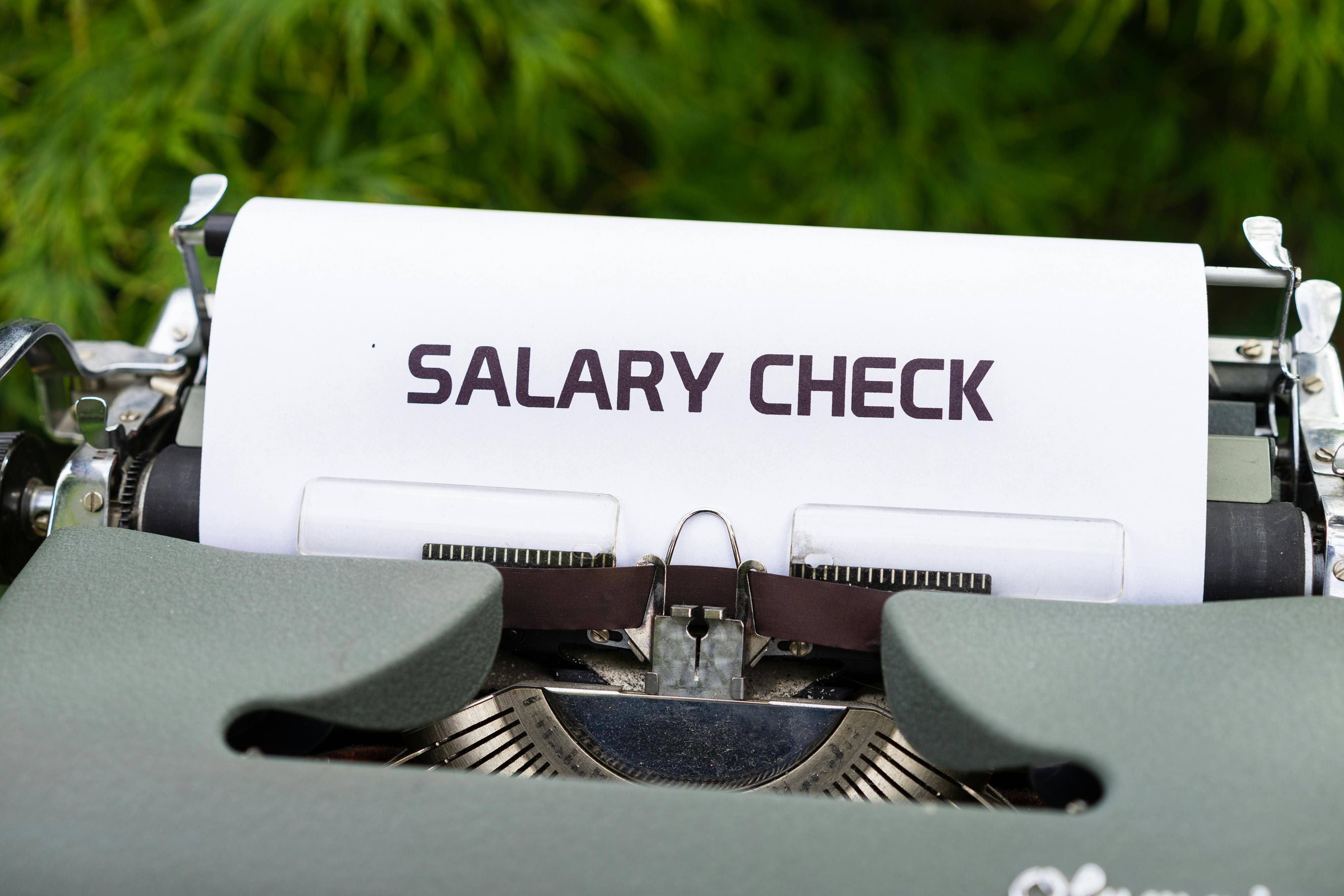
In 2023, the HMRC wage raid has become a significant concern for many business owners across the UK. Its implications on payroll checks are profound, and understanding these changes is crucial. With the government ramping up its efforts to clamp down on tax evasion and ensure compliance, businesses should be aware of what this means for their operations.
What is the HMRC Wage Raid?
The term “HMRC wage raid” refers to the recent initiative by Her Majesty’s Revenue and Customs to intensify payroll checks. It aims to ensure that employers are accurately reporting and paying taxes on employee wages. This initiative is not new, but it has gained momentum recently, with more rigorous enforcement measures in place. The HMRC is deploying data analytics and cross-referencing techniques to identify discrepancies in payroll submissions, making it easier to spot non-compliance.
Why is it Happening Now?
Several factors have contributed to the HMRC’s increased focus on payroll checks. The pandemic has strained the economy, leading to heightened scrutiny of government financial support measures. The HMRC wants to make sure that businesses are not taking advantage of these schemes. Additionally, as the economic landscape changes, the government is keen to bolster its tax revenues to fund recovery efforts.
Key Points of the HMRC Wage Raid
Increased Payroll Audits: Businesses can expect more frequent audits. The HMRC is focusing on compliance, and it’s likely that they will use data mining to flag companies that might be underreporting wages or misclassifying employees.
Penalties for Non-Compliance: Failure to comply with payroll regulations could result in hefty fines. Small businesses, in particular, may face challenges in keeping up with the complexities of tax regulations.
Employee Classification: Misclassifying employees as freelancers or contractors instead of staff can lead to significant penalties. The HMRC is scrutinising this area closely, and businesses should ensure they classify their workers correctly.
The Impact on Business Owners
For business owners, understanding the implications of these checks is vital. Here’s how payroll checks might impact your business:
Financial Strain: Unexpected penalties can lead to financial difficulties. Companies should prepare for potential financial impacts due to back taxes and fines.
Increased Administrative Burden: Business owners may need to invest more time and resources into payroll processing to ensure compliance. This could mean hiring additional staff or working with third-party payroll services.
Changes in Business Practices: To comply with HMRC regulations, companies may need to adjust their payroll practices. This could include adopting new payroll software or implementing more rigorous auditing processes.
What Businesses Should Do
To navigate the complexities of the HMRC wage raid, here are some practical steps every business owner can take:
Review Payroll Practices: Regularly audit your payroll processes to ensure compliance. Identify any discrepancies and rectify them promptly.
Educate Employees: Ensure that your team understands the importance of payroll accuracy. Training can help prevent errors that lead to compliance issues.
Consult Professionals: If unsure about your payroll practices, consider consulting with tax professionals or payroll specialists. They can offer guidance tailored to your business needs.
Stay Informed: Keep up-to-date with HMRC guidelines and any changes in tax legislation. This will help you adapt quickly and avoid penalties.
Prepare for Audits: Have documentation ready for potential audits. This includes payroll records, employee contracts, and tax submissions.
Comparisons with Previous Years
When comparing the current HMRC wage raid with earlier years, it’s evident that the approach has shifted:
- 2019: The HMRC focused more on voluntary compliance and education rather than punitive measures.
- 2020: The pandemic led to temporary relief measures, which resulted in less enforcement.
- 2023: The HMRC is now utilising advanced technology and data analysis to identify non-compliance, making it harder for businesses to evade payroll regulations.
Final Thoughts
The HMRC wage raid signifies a crucial shift in how payroll is monitored in the UK. Businesses that fail to adapt may face significant consequences, including financial penalties and reputational damage. By staying informed, reviewing payroll practices, and seeking professional advice, business owners can better navigate this challenging landscape. Embracing compliance not only helps avoid pitfalls but also strengthens the foundation of your business in these uncertain times. Keeping your payroll practices in check is more important than ever.
5 Critical Consequences of HMRC Payroll Audits: Is Your Business Prepared for a Wage Raid?

The thought of an HMRC payroll audit can send shivers down any business owner’s spine. Dubbed the “HMRC Wage Raid,” these audits aren’t just routine checks; they could bring dire consequences for unprepared businesses. As the UK’s tax authority, HM Revenue and Customs (HMRC) has been ramping up its focus on payroll compliance, and many businesses in New York are now feeling the heat. So, what are the 5 critical consequences of these audits and how can businesses ensure they’re ready?
1. Financial Penalties Could Be Severe
One of the most immediate consequences of an HMRC payroll audit is the potential for hefty fines. If HMRC finds errors in your payroll submission or if you’ve underpaid National Insurance contributions, they can impose penalties that can quickly add up.
- Fines can range from £100 to £3,000 for smaller businesses.
- For larger firms, penalties could soar to thousands, depending on the severity and frequency of the errors.
If your business is found to have deliberately evaded tax, the fines could be even harsher. It’s not just about correcting the mistakes; the financial repercussions could cripple smaller businesses.
2. Reputational Damage
When HMRC conducts an audit, the scrutiny isn’t just financial; it’s also reputational. Word gets around, and if your business is under investigation, it could lead to a loss of trust among clients, suppliers, and even employees.
- Businesses may lose existing contracts if clients see them as unreliable.
- Potential clients might shy away from engaging with a company linked to tax issues.
In today’s digital age, where information spreads like wildfire, reputational damage can have long-lasting effects, often leading to decreased sales and customer loyalty.
3. Increased Operational Costs
Preparing for an HMRC payroll audit isn’t just about fixing errors; it often requires diverting resources and time that could be spent on running the business. This can lead to increased operational costs.
- Hiring external consultants to aid with compliance can be pricey.
- Staff training to prevent future mistakes can further strain budgets.
A business may end up spending more trying to rectify issues rather than investing in growth or innovation. This ultimately slows down progress and can even lead to layoffs if finances get tight.
4. Legal Implications
Aside from financial penalties, there could be legal consequences arising from a payroll audit. If HMRC suspects fraud, they might escalate the matter, which can lead to legal proceedings.
- Businesses could face prosecution for serious non-compliance.
- Directors could be personally liable if they are found to have ignored tax obligations.
This can lead to a cascade of issues including court costs, which can be astronomical. The legal ramifications might not just affect the business; they can tarnish the personal reputation of those involved.
5. Stress and Uncertainty
Finally, the emotional toll of an HMRC payroll audit cannot be ignored. The stress associated with audits can affect not just business owners but also employees, leading to a toxic work environment.
- Uncertainty over financial stability can decrease productivity.
- Employees may feel insecure about their jobs if the business faces financial strain.
A stressed team is often less effective, which can lead to further problems down the line. The ripple effect of an audit can extend beyond finances and into the very fabric of the company culture.
Is Your Business Prepared?
Considering the critical consequences of an HMRC wage raid, how can businesses prepare? Here’s a quick checklist:
- Regularly review payroll processes for compliance.
- Keep accurate records and documentation of all payroll-related activities.
- Train staff on proper payroll practices and updates on tax regulations.
- Consider hiring a professional to conduct a mock audit before HMRC comes knocking.
Each of these steps can help a business minimise risks associated with payroll audits. The implications of being unprepared can be devastating, as outlined above.
As the HMRC continues to crack down on payroll compliance, taking proactive measures is essential. Businesses need to ensure they are ready for any potential audits to avoid falling victim to the pitfalls of an HMRC wage raid. Staying informed and prepared can make all the difference in navigating these choppy waters.
The Hidden Dangers of HMRC Wage Raids: How Payroll Compliance Could Save Your Business from Financial Disaster

In recent years, businesses across the UK has faced increasing scrutiny from the HMRC (Her Majesty’s Revenue and Customs), particularly concerning payroll compliance. This has led to what many in the industry are calling “HMRC wage raids.” These raids are not just about catching tax evaders; they are also about ensuring that businesses are following the correct payroll procedures. With potential fines and penalties lurking, understanding the hidden dangers of these wage raids is more critical than ever.
What is an HMRC Wage Raid?
An HMRC wage raid happens when the HMRC conducts an audit or investigation into a business’s payroll practices. This could include checking if employees are being paid correctly, if taxes are being deducted accurately, and if National Insurance contributions are being made. These checks can happen with little to no warning, leaving businesses scrambling to prove their compliance.
The Financial Impact of Non-Compliance
Failing to adhere to payroll regulations can results in severe financial consequences. The HMRC has the authority to impose hefty fines for mistakes or discrepancies found during audits. Here are some potential costs that businesses could face:
- Fines and Penalties: Ranging from minor fines for small errors to significant penalties for deliberate non-compliance.
- Back Payments: If HMRC finds underpaid taxes, businesses may be required to backpay those amounts, which can be a significant blow to cash flow.
- Increased Scrutiny: Once a business has been flagged, they may face more frequent audits in the future, which can lead to ongoing compliance costs.
Common Payroll Compliance Issues
There are several payroll compliance issues that businesses often encounter. Being aware of these can help prevent an HMRC wage raid:
- Incorrect Employee Classification: Misclassifying employees as independent contractors can lead to substantial fines.
- Inaccurate Tax Deductions: Errors in tax calculations can result in underpayments, leading to penalties.
- Failure to Report Benefits: Not reporting employee benefits correctly can also trigger audits.
How Payroll Checks Can Protect Your Business
Implementing thorough payroll checks can be the key to safeguarding your business from potential financial disaster. Here’s how you can approach payroll compliance:
- Regular Audits: Conduct internal audits of payroll records regularly. This helps identify mistakes before HMRC does.
- Training Staff: Ensure that your payroll staff are well-trained on current taxation laws and payroll processes.
- Using Payroll Software: Invest in reliable payroll software that automates calculations and keeps your records accurate.
- Consult with Professionals: Engaging with payroll compliance experts or accountants can provide an added layer of security.
Real-Life Examples of HMRC Wage Raids
To illustrate the potential dangers, consider a couple of real-life cases:
- A small restaurant in London faced an HMRC audit after failing to report tips paid to staff accurately. The audit revealed not just the reporting issue but also led to fines of thousands of pounds for incorrect tax deductions.
- A tech start-up was hit with penalties after misclassifying several employees as freelancers. They ended up owing back taxes and faced fines, which significantly impacted their financial stability.
The Importance of Staying Informed
The rules surrounding payroll compliance are constantly evolving. Keeping updated with changes in legislation is crucial. Here are some resources that can help:
- HMRC official website: They regularly publish guidance on payroll compliance.
- Industry Associations: Groups like the Chartered Institute of Payroll Professionals (CIPP) provide updates and training.
- Webinar and Workshops: Many accounting firms offer webinars that can keep you informed about the latest developments in payroll law.
Conclusion
The hidden dangers of HMRC wage raids can feel overwhelming, but with the right practices in place, businesses can protect themselves. Regular payroll checks, staying informed about changes in legislation, and consulting with professionals can mitigate risks. By prioritising payroll compliance, businesses not only safeguard their finances but also build a trustworthy reputation in their industry. Don’t wait for an HMRC audit to realise the importance of payroll diligence; take proactive steps now to ensure the future of your business remains secure.
Navigating HMRC Payroll Checks: 7 Essential Tips to Protect Your Business from Unexpected Wage Raids
Navigating the complexities of HMRC payroll checks can feel like walking a tightrope, especially for small businesses in New York. The HMRC wage raid, a term that strikes fear into the hearts of many business owners, refers to unexpected audits and checks by HMRC (Her Majesty’s Revenue and Customs) to ensure compliance with payroll regulations. This can lead to costly ramifications if not managed correctly. Here are seven essential tips that can help protect your business from unexpected wage raids and the potential fallout.
Understand the Importance of Compliance
First things first, a solid understanding of payroll compliance is crucial. HMRC uses payroll checks to make sure that businesses are reporting their employee wages accurately. Not only does this affect how much tax is paid, but it also impacts employee benefits and pension contributions. If a company is found to have discrepancies, they could face hefty fines, and even worse, reputational damage.
Stay Organised with Records
Keeping meticulous records is one of the best ways to prepare for payroll checks. Document everything related to payroll, including:
- Employee contracts
- Pay slips
- Tax records
- P60s and P45s
- Any correspondence with HMRC
This will not just help in case of an audit but also ensure that you are fulfilling your legal obligations. An disorganised business is an open invitation for trouble.
Regular Payroll Audits
It may sound tedious, but conducting regular payroll audits can save you a lot of headaches down the line. Schedule these audits on a quarterly basis to review your payroll processes. Look for common mistakes, such as miscalculations or incorrect employee classifications. This proactive approach can help you identify issues before HMRC does.
Train Your Staff
Your payroll staff need to be well-versed in the latest HMRC regulations and any changes in legislation. Provide ongoing training to ensure they are aware of their responsibilities. If your team is unclear about compliance matters, it increases the risk of mistakes. You might even consider hiring a payroll specialist if your business grows significantly.
Use Reliable Payroll Software
Investing in reliable payroll software can streamline your payroll processes and reduce the chances of errors. Many software solutions are designed to comply with HMRC requirements, making it easier to generate accurate reports. Some popular options include:
- Sage
- QuickBooks
- Xero
These tools can help automate tax calculations and ensure that you are keeping up with any changes in legislation. However, it’s important to remember that while technology can assist, it’s not a foolproof solution—human oversight is still necessary.
Be Prepared for an HMRC Check
What if the HMRC comes knocking? It’s essential to be prepared. Familiarise yourself with the process of a payroll check. Typically, HMRC will provide you with a notice, and you must respond within a set timeframe. Here’s what you should do:
- Gather Documents: Assemble all necessary records quickly.
- Designate a Point of Contact: Choose someone in your organisation to communicate with HMRC.
- Stay Calm: Panicking won’t help. Approach the situation methodically.
Know Your Rights
Finally, it’s vital for business owners to know their rights when it comes to HMRC checks. You have the right to:
- Request a written notice of the check
- Seek clarification on any questions
- Have a representative present during meetings
Understanding these rights can empower you during potentially stressful situations.
Summary of Essential Tips
- Understand the importance of compliance.
- Keep organised records.
- Conduct regular payroll audits.
- Train your staff properly.
- Invest in reliable payroll software.
- Be prepared for an HMRC check.
- Know your rights.
In summary, navigating HMRC payroll checks requires diligence and preparation. The potential for wage raids can seem daunting, but by following these seven essential tips, you can protect your business from unexpected ramifications. Staying compliant is not just about avoiding fines; it’s about creating a sustainable business that thrives in the long run.
Are You at Risk? Unveiling the Truth Behind HMRC Wage Raids and Their Impact on Your Payroll Strategy

The recent HMRC wage raids have sparked a lot of discussions among business owners, and it’s no wonder why. These audits, which are intended to ensure compliance with tax laws, could have significant impacts on your payroll strategy. But, what does it all mean for you? Are you at risk? In this article, we will take a closer look at HMRC wage raids, the potential consequences for your business, and how you can protect yourself.
What are HMRC Wage Raids?
HMRC, or Her Majesty’s Revenue and Customs, is responsible for collecting taxes and ensuring that businesses adhere to tax regulations in the UK. Wage raids refer to HMRC’s practice of conducting checks on businesses to ensure they are paying their employees correctly in line with tax laws. These checks often focus on:
- Underpayment of taxes: Ensuring that businesses aren’t deducting less tax than they should.
- Employment status: Verifying that workers are classified correctly as employees or self-employed.
- Minimum wage compliance: Confirming that employees are being paid at least the National Minimum Wage.
These investigations are not just limited to large corporations; small businesses can also find themselves under scrutiny.
Why are Payroll Checks Necessary?
The HMRC wage raids are carried out for several important reasons:
- Protecting workers’ rights: Ensuring that employees are paid fairly and on time.
- Preventing tax evasion: Reducing the risk of businesses underreporting earnings or misclassifying workers.
- Maintaining tax revenue: Ensuring that the government collects the appropriate amount of tax from businesses.
How Could These Checks Impact Your Business?
The ramifications of an HMRC wage raid can be significant, affecting various aspects of your payroll strategy. Consider the following potential impacts:
- Financial penalties: Businesses found to be non-compliant may face hefty fines, which could strain finances.
- Reputation damage: A public investigation can affect your business’s reputation, potentially leading to a loss of customers.
- Increased scrutiny: Once you’re on HMRC’s radar, future audits may become more frequent.
The Risks: Are You at Risk?
You might be wondering if your business is at risk of an HMRC wage raid. Here are some indicators that could put you in the spotlight:
- Irregularities in payroll: If your payroll data has discrepancies or seems inconsistent, it may attract attention.
- High turnover rates: A high employee turnover can raise flags regarding your business practices.
- Complaints from employees: If workers report issues related to pay or working conditions, it could prompt HMRC to take action.
How to Prepare for Payroll Checks
Being proactive can save you a lot of trouble. Here’s a checklist to help you prepare for potential payroll checks:
- Review payroll records: Regularly audit your payroll to ensure accuracy in pay rates and tax deductions.
- Train staff: Make sure your HR and payroll team understand compliance requirements and the importance of accurate record-keeping.
- Seek expert advice: Consulting with tax professionals can provide insights and help you navigate compliance issues.
What to Expect During a Wage Raid
If HMRC does come knocking, here’s what you can expect during a wage raid:
- Notification: HMRC typically notifies businesses before conducting a raid, but this isn’t always the case.
- Documentation review: HMRC agents will request access to payroll records, tax filings, and employee contracts.
- Interviews: They may want to speak with employees to verify their pay and employment status.
Key Takeaways
In summary, understanding the implications of HMRC wage raids is crucial for any business owner. The potential consequences can be severe, but with the right measures in place, you can reduce your risk. Here are a few key points to remember:
- Stay compliant: Regularly review your payroll practices and ensure they align with HMRC regulations.
- Document everything: Keep thorough records of employee pay and tax deductions.
- Be proactive: Address any irregularities before they become a problem.
Embarking on the journey of compliance can seem daunting, but by being informed and prepared, you can safeguard your business from the potential pitfalls of HMRC payroll checks. Being vigilant about your payroll strategy not only helps you stay on the right side of the law but also strengthens your business’s foundation.
Conclusion
In conclusion, the recent HMRC wage raid payroll checks highlight the importance of compliance with employment regulations and payroll transparency. We have examined how these audits can uncover discrepancies in wage payments, leading to significant penalties for non-compliant businesses. The checks not only protect employees’ rights but also ensure a level playing field for all employers. As we’ve discussed, businesses must take proactive measures by conducting regular payroll reviews, maintaining accurate records, and staying informed about tax regulations to avoid potential pitfalls. It is crucial for employers to prioritise compliance to safeguard their reputation and financial stability. Therefore, we encourage all businesses to utilise available resources and seek professional advice to ensure their payroll practices meet HMRC standards. By doing so, they can mitigate risks and foster a fair working environment for their employees.