

The UK rare weather phenomenon known as freezing rain is not something many are familiar with, yet it can have significant implications for our day-to-day lives. As winter approaches, understanding what freezing rain is and why it matters is crucial for safety and preparedness. This unique weather event occurs when rain falls through a layer of cold air, turning into ice upon contact with surfaces. Have you ever wondered how such a phenomenon can transform the landscape into a treacherous ice rink overnight? This article will delve into the intricacies of freezing rain, its potential impacts, and why it’s essential to stay informed.
In the UK, where weather can be notoriously unpredictable, freezing rain can create hazardous conditions that catch many off-guard. Unlike snow, which can be fun and picturesque, freezing rain leads to dangerous driving conditions and can cause power outages when ice accumulates on power lines. The combination of rain and freezing temperatures can result in ice storms, making roads and pavements particularly perilous. Are you prepared for the next time the UK experiences this rare weather phenomenon?
Moreover, understanding freezing rain helps us appreciate the delicate balance of our climate. With climate change altering weather patterns, phenomena like freezing rain are becoming more frequent. This raises questions about how such events will impact our infrastructure and daily lives. By exploring the science behind freezing rain and its consequences, we can foster a greater awareness of our changing environment, ensuring we are ready to face whatever the UK weather throws our way. So, what can we do to prepare for this icy challenge? Let’s find out!
Understanding Freezing Rain: What Causes This Rare UK Weather Phenomenon?
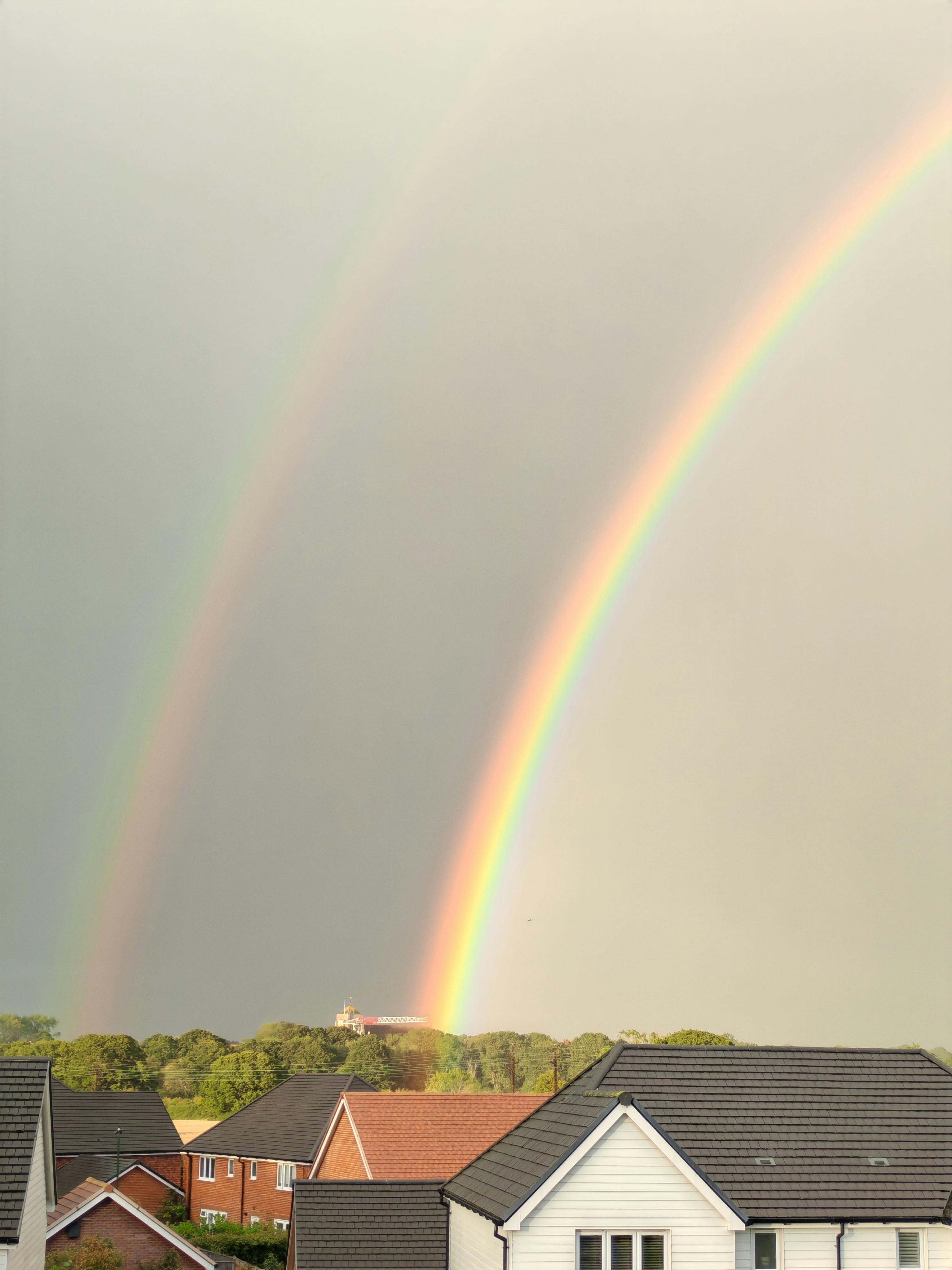
Freezing rain is a weather phenomenon that don’t get much attention in the UK, yet it can have significant impacts on daily life. As the climate changes, understanding rare weather events like this becomes increasingly important. So, what is freezing rain, and why do we see it in the UK? Let’s explore the causes, effects, and implications of this unusual weather occurrence.
What is Freezing Rain?
Freezing rain occurs when liquid rain droplets fall through a layer of cold air at or below freezing temperature. This causes the droplets to freeze upon contact with cold surfaces, forming a layer of ice. Unlike sleet or snow, which can accumulate in a different way, freezing rain creates a smooth, hazardous layer of ice that can disrupt travel and power lines.
Key Characteristics of Freezing Rain:
- Temperature Conditions: Requires a warm layer of air above freezing, with cold air below it.
- Surface Impact: Freezes immediately upon contact with surfaces, creating slick conditions.
- Duration: Can last for several hours, leading to significant ice accumulation.
Causes of Freezing Rain
The formation of freezing rain is more complex than it seems. It typically involves several atmospheric layers, often created during winter storms. Here’s a breakdown of the process:
- Warm Air Mass: A warm air mass moves over a colder area, such as the UK during winter.
- Temperature Inversion: Warm air traps cold air near the surface, creating a temperature gradient.
- Precipitation Formation: As precipitation falls from the warm air, it starts as snow or rain.
- Freezing Layer: The rain passes through a layer of cold air, freezing on contact with surfaces.
One of the most significant factors that cause freezing rain is the position of the jet stream. When it dips in the winter, it can bring warm moist air from the south into contact with colder air from the north. This interaction can create the right conditions for freezing rain to occur.
Historical Context of Freezing Rain in the UK
Freezing rain isn’t something that happens all the time in the UK, but it has been recorded in various parts of the country. Some notable occurrences include:
- January 1982: A significant freezing rain event affected much of England, causing severe travel disruption.
- December 2010: During a harsh winter, freezing rain led to dangerous conditions on the roads and contributed to power outages.
These events, while rare, highlights the potential impact freezing rain can have on society.
Why It Matters
Understanding freezing rain is important for several reasons:
- Safety Risks: Ice accumulation can make roads treacherous, leading to accidents and injuries.
- Infrastructure Damage: Ice can weigh down power lines and tree branches, causing outages and damage.
- Emergency Preparedness: Knowing when freezing rain is likely can help communities prepare and respond effectively.
Effects of Freezing Rain
Freezing rain can lead to a variety of issues, particularly in urban areas. Some of the most common effects include:
- Travel Disruptions: Roads become slippery and hazardous, resulting in traffic jams and accidents.
- Power Outages: Accumulated ice on power lines can cause them to snap, leading to widespread outages.
- Injury Risks: Pedestrian accidents increase as sidewalks and public transport areas become icy.
How to Prepare for Freezing Rain
While freezing rain is unpredictable, there are steps individuals and communities can take to mitigate its effects. Here’s a helpful list:
- Stay Informed: Monitor weather forecasts for warnings about freezing rain.
- Limit Travel: Avoid unnecessary travel during freezing rain events.
- Prepare Emergency Kits: Ensure you have food, water, and blankets in case of power outages.
- Clear Paths: Salt or sand can be used to treat driveways and walkways before ice forms.
Comparison with Other Winter Weather
Understanding freezing rain also means comparing it with other winter weather events. Here’s a quick overview:
| Weather Type | Description | Impact |
|---|---|---|
| Snow | Frozen precipitation that falls as flakes. | Accumulates on roads and roofs, but can be managed with plows. |
| Sleet | Ice pellets that bounce and do not stick. | Creates slippery conditions but less hazardous than freezing rain. |
| Freezing Rain | Rain that freezes on contact, creating ice. | Extremely hazardous, often leading to accidents and power outages. |
Freezing rain is a rare weather phenomenon in the UK, but its potential for disruption is very real. Increased awareness and understanding of this weather event can help everyone to prepare better and respond appropriately when it occurs. Keep an eye on the weather, and stay safe during the winter months!
The Impact of Freezing Rain on Daily Life in the UK: Tips for Staying Safe

Freezing rain is a rare weather phenomenon that can significantly disrupt daily life across the UK, despite its infrequent occurrence. This icy precipitation often leads to hazardous conditions, affecting everything from transport to power supply. Understanding what freezing rain is and how it can impact our lives is crucial, especially as the UK faces more unpredictable weather patterns. Here’s a closer look at freezing rain, its effects, and practical tips for staying safe when it strikes.
What Is Freezing Rain and How Does It Form?
Freezing rain occurs when rain falls through a layer of cold air near the ground, causing it to freeze upon contact with surfaces that are below freezing. Unlike sleet, which forms ice pellets, freezing rain creates a glaze of ice that can coat everything in its path. This can result in very slippery roads, downed power lines, and hazardous walking conditions.
- Formation Process:
- Warm air holds moisture and creates rain.
- The rain descends through a layer of cold air, where it cools but remains liquid.
- Upon reaching surfaces that are below freezing, the liquid rain freezes instantly.
The Impact of Freezing Rain on Daily Life
The effects of freezing rain can be felt across various aspects of daily life. The following points highlight some of the major challenges it brings:
- Transport Disruption: Roads become extremely slippery, leading to an increase in accidents. Public transport can also be affected, with buses and trains running late or being cancelled altogether.
- Power Outages: Ice accumulation on power lines can cause them to snap, leading to widespread outages. This can last for hours or even days.
- Injuries: People walking outside are at risk of slipping and falling, which can result in serious injuries.
- Economic Impact: Businesses may close due to safety concerns, and the cost of repairing damage from the ice can be significant.
Historical Context of Freezing Rain in the UK
Freezing rain isn’t a common occurrence in the UK, but it has been reported in several instances throughout history. The most notable events include:
- The winter of 1981, where freezing rain caused significant chaos across the Midlands.
- In January 2013, freezing rain led to dangerous travel conditions in several areas, highlighting the need for better public awareness of such events.
These rare instances have shown that while freezing rain may not happen often, its effects can be severe when it does.
Tips for Staying Safe During Freezing Rain
Being prepared is key to staying safe during freezing rain events. Here are some practical tips:
- Stay Informed: Keep an eye on weather updates from the Met Office or local news.
- Travel Wisely: If travel is necessary, consider using public transport as it may be safer than driving.
- Wear Appropriate Footwear: Slip-resistant shoes can help prevent falls when walking outside.
- Avoid Walking Under Trees: Ice can accumulate on branches, leading to potential falls of ice.
- Store Supplies: Keep essentials such as food and water in case of power outages.
Comparison: Freezing Rain vs. Other Winter Weather
It’s worth comparing freezing rain to other winter weather conditions to understand its unique dangers.
- Snow: While snow can also create hazardous conditions, it generally accumulates and can be ploughed or shovelled away. Freezing rain creates a solid sheet of ice that can be more difficult to manage.
- Sleet: Sleet consists of ice pellets that bounce when they hit the ground, making it less likely to create the same slick surfaces as freezing rain.
- Freezing Fog: This creates icy conditions as moisture freezes on contact, but it doesn’t involve liquid precipitation like freezing rain does.
Summary of Freezing Rain Effects
| Impact Area | Description |
|---|---|
| Transport | Slippery roads; increased accidents. |
| Power Supply | Risk of outages due to ice on lines. |
| Public Safety | Higher injury risk from slips and falls. |
| Economic Costs | Business closures and repair costs can escalate. |
Understanding freezing rain is essential for anyone living in the UK, even though it may not happen often. With climate patterns changing, more events of freezing rain might occur, and being informed can help mitigate risks. By following safety tips and preparing for the unexpected, individuals can navigate this rare weather phenomenon more effectively. Always remember, safety comes first when it comes to dealing with winter’s icy grip!
5 Essential Facts About Freezing Rain: Why This Weather Event is Becoming More Frequent in the UK

Freezing rain is one of those weather events that can catch people off guard, especially in the UK where it’s not something you’d expect to see very often. In recent years, however, this rare weather phenomenon is becoming more frequent and it’s important to understand what it is and why it matters. So, let’s break down some essential facts about freezing rain and how it affects us.
What is Freezing Rain?
Freezing rain is basically rain that falls while temperatures are below freezing. It starts off as liquid rain but when it hits the ground, or any cold surface, it freezes immediately, creating a layer of ice. This can lead to treacherous conditions on roads and pavements. The icy layer can be thin or thick, and either way, it makes walking or driving a risky business.
- Formation: Freezing rain occurs when there’s a warm layer of air above cold air at the surface. The rain falls through the warmer air, turns into liquid, and then freezes when it meets the cold ground.
- Difference from other types of precipitation: Unlike sleet, which is frozen before it hits the ground, freezing rain becomes icy after it has fallen.
Why is it Becoming More Frequent in the UK?
The UK is not known for extreme weather, but climate change is altering our weather patterns. Here are some reasons why freezing rain is popping up more often:
- Climate Change: With global temperatures rising, warm air can hold more moisture, leading to increased precipitation, which may result in more instances of freezing rain.
- Temperature Variability: The UK has seen more fluctuations in temperatures, which can create the perfect conditions for freezing rain to form.
- Seasonal Changes: As winters become milder, the conditions for freezing rain can occur more frequently, especially as weather systems become more erratic.
The Impacts of Freezing Rain
Freezing rain might seem like a minor inconvenience, but it can have serious consequences. Here are some impacts to consider:
- Transportation Issues: Roads can become very slippery, leading to accidents and delays. Public transport can also be affected, with buses and trains having to deal with icy conditions.
- Power Outages: Ice can build up on power lines, causing them to snap and resulting in outages. This can lead to significant disruptions, especially in rural areas.
- Damage to Trees and Infrastructure: The weight of the ice can bring down branches and even whole trees, damaging homes and vehicles.
Historical Context: Freezing Rain in the UK
Freezing rain isn’t a new phenomenon in the UK, but it’s been documented more in recent years due to better weather reporting and technology. Some notable events include:
- January 2010: A significant freezing rain event led to widespread disruptions across the country, with icy conditions reported from London to Scotland.
- December 2017: Another incident caused chaos, particularly in northern regions, with roads becoming impassable and schools closing.
How to Prepare for Freezing Rain
Being prepared can make a big difference when freezing rain hits. Here are some tips:
- Stay Informed: Keep an eye on weather forecasts, especially in winter months. Apps and local news can provide timely alerts.
- Travel Wisely: If you don’t need to go out, it’s best to stay home. If you must travel, ensure your vehicle is equipped for icy conditions.
- Clear Paths: If you have a garden, keep paths clear of ice and snow to prevent slips and falls.
The Importance of Awareness
Understanding freezing rain not only helps in personal safety but also raises awareness about changing climate patterns. It’s crucial for communities to come together and take preventive measures against such weather phenomena.
As freezing rain continues to be a rare but increasingly common weather event in the UK, it underscores the need for vigilance and preparedness. With climate change increasingly making its mark, it’s vital that both individuals and communities adapt to these shifts in weather to minimise risks and enhance safety.
How Freezing Rain Affects Transport and Infrastructure: What You Need to Know
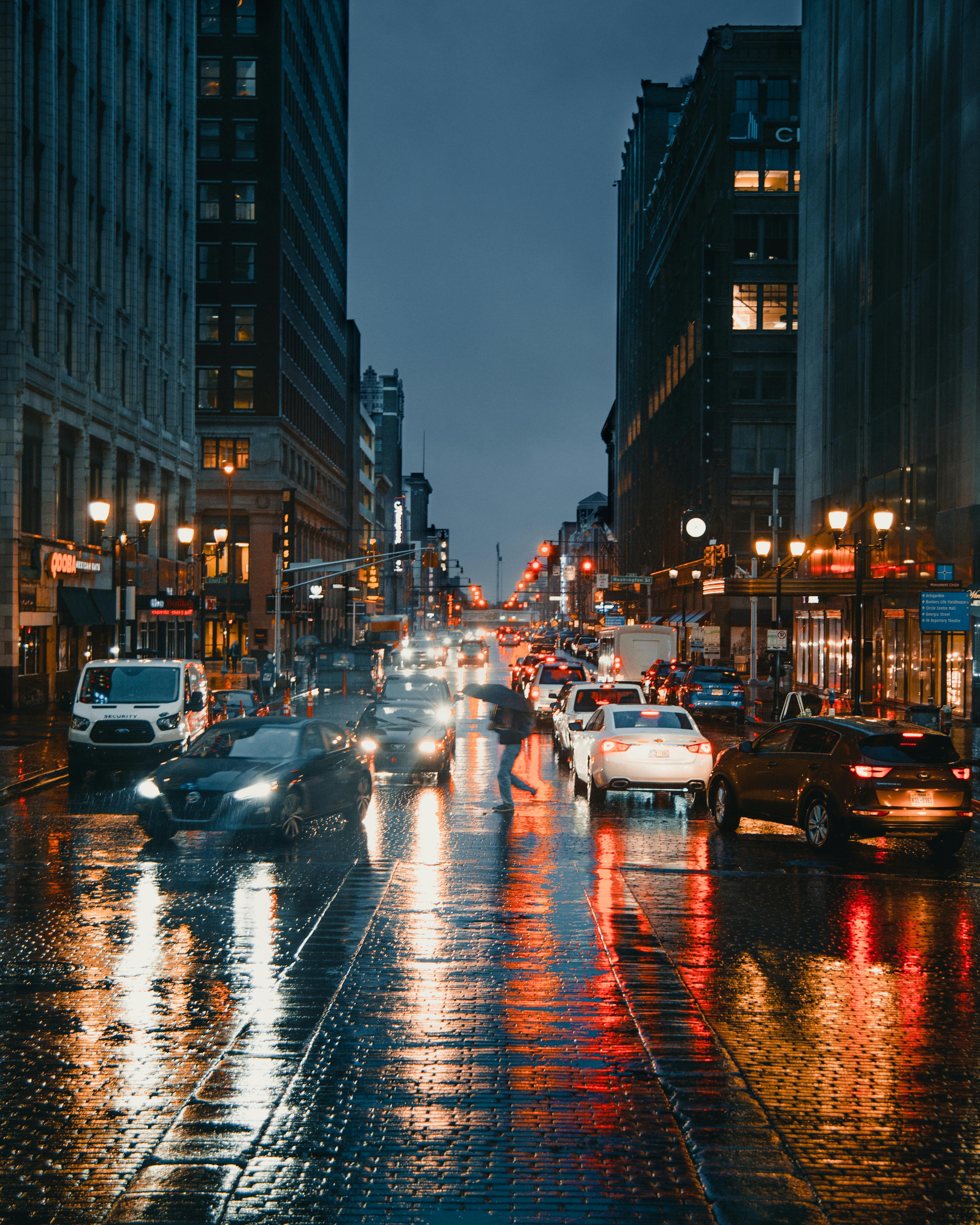
As the UK experiences rare weather phenomena, understanding how freezing rain affects transport and infrastructure becomes crucial for safety and planning. Freezing rain, which occurs when rain falls through a layer of cold air and freezes upon contact with surfaces, can lead to significant disruptions. This article dives into the characteristics of freezing rain, its impact on transport systems, and why it matters for the UK.
What Is Freezing Rain?
Freezing rain is a type of precipitation that forms when warm rain falls through a layer of cold air near the ground. When the rain hits surfaces that are below zero degrees Celsius, it freezes instantly, creating a layer of ice. This can lead to hazardous conditions, making it essential for people to understand its implications.
- Characteristics of Freezing Rain:
- Occurs when temperatures hover around zero.
- Can create a thin, almost invisible layer of ice.
- More common in winter months, especially during transitional seasons.
Freezing rain differs from other forms of winter precipitation, like snow or sleet, by the way it forms and the dangers it poses. The UK has witnessed several instances of freezing rain, and while it’s not frequent, when it does occur, it can cause chaos.
How Freezing Rain Affects Transport
Transport systems are often the first to feel the impact of freezing rain. Roads, railways, and airports can all be heavily affected. Here’s a look at how each mode of transport can be disrupted:
Road Transport:
- Roads become treacherous due to the icy layer, leading to increased accident rates.
- Salting and gritting can mitigate some of the effects, but often not enough.
- Drivers often underestimate the danger, thinking they can manage icy conditions.
Rail Transport:
- Trains can suffer delays and cancellations as tracks become icy.
- Ice can accumulate on overhead lines, causing power issues.
- Safety protocols may lead to slower speeds, resulting in longer journey times.
Air Travel:
- Airports may face significant delays as runways require de-icing.
- Ground handling operations can slow down due to icy conditions.
- Flights may be cancelled altogether if safety cannot be guaranteed.
Infrastructure Challenges
Freezing rain doesn’t just affect transport; it also poses a risk to infrastructure. The accumulation of ice can lead to a range of problems:
Power Outages:
- Ice can weigh down power lines and trees, leading to downed lines.
- Thousands can be left without power during severe freezing rain events.
Water Supply Issues:
- Ice can damage pipes, leading to leaks or bursts.
- Access to clean water may become a concern during prolonged freezing rain.
Property Damage:
- Accumulation of ice can cause roofs to collapse under weight.
- Windows and doors can become stuck, preventing safe exit from buildings.
Historical Context of Freezing Rain in the UK
The UK is not often known for extreme winter weather, but freezing rain events have made headlines in the past. For instance, in December 2010, the UK faced severe winter conditions, including freezing rain, that caused widespread disruption. Airports like Heathrow faced significant delays, and the rail network struggled to cope with icy tracks.
What You Need to Know
When freezing rain is forecast, there are several precautions that individuals and organisations can take to prepare:
For Drivers:
- Avoid unnecessary journeys until conditions improve.
- Keep an emergency kit in your vehicle, including blankets, food, and water.
For Public Transport Users:
- Check for service updates before travelling.
- Allow extra time for journeys, as delays are common.
For Homeowners:
- Check your property for potential hazards, like overhanging branches.
- Have an emergency plan in place in case of power outages.
Final Thoughts
Understanding freezing rain and its effects on transport and infrastructure is vital for everyone in the UK. As rare as this weather phenomenon may be, being prepared can make all the difference. Whether it’s ensuring safe travel or protecting your property, awareness and readiness are key to navigating the challenges posed by freezing rain. When the icy weather strikes, knowing what to expect and how to respond can keep you and your community safe.
Unusual Weather Patterns: Is Freezing Rain a Sign of Climate Change in the UK?
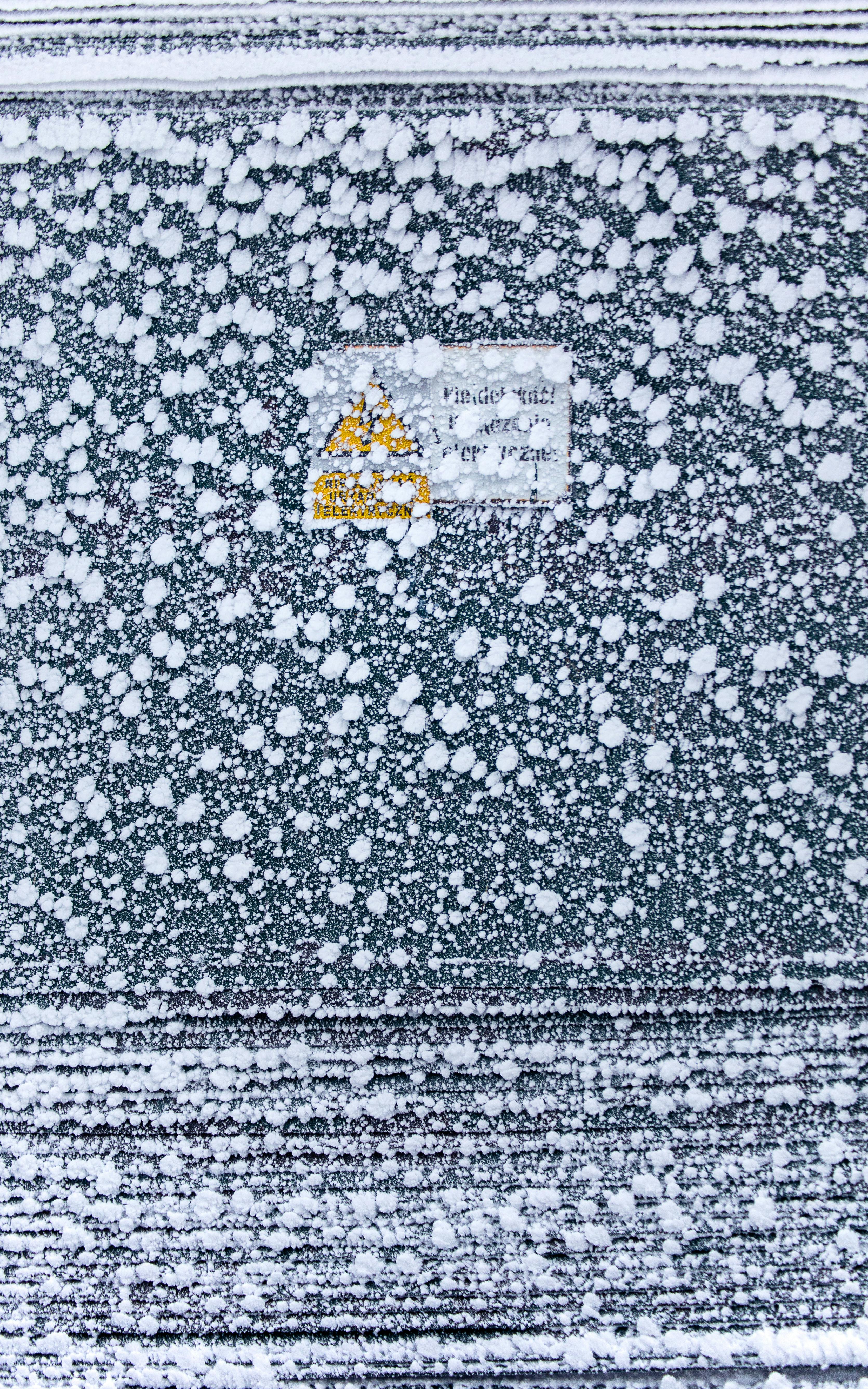
Unusual weather patterns are becoming more frequent in the UK, and one of the most notable manifestations of this is freezing rain. This rare weather phenomenon has raised eyebrows among meteorologists and climate scientists alike, prompting discussions about its possible connection to climate change. But what exactly is freezing rain, and why does it matter for the UK?
What Is Freezing Rain?
Freezing rain occurs when rain falls through a layer of cold air near the surface, causing it to freeze upon contact with cold surfaces like roads, trees, and power lines. This creates a glaze of ice, making conditions hazardous for both pedestrians and vehicles. The phenomenon is relatively rare in the UK compared to other regions, which typically sees more snow.
Some key characteristics of freezing rain include:
- Temperature: Freezing rain happens when temperatures hover around 0°C (32°F).
- Duration: It can last from a few hours to several days, depending on the weather patterns.
- Impact: The ice accumulation can cause branches to snap under the weight, leading to power outages and dangerous driving conditions.
Historical Context of Freezing Rain in the UK
While freezing rain isn’t a common occurrence, it has been recorded in the UK before. The winter of 2010-2011 saw significant freezing rain events, causing chaos across many regions. Residents experienced power outages, and transport infrastructure was severely disrupted.
Some notable instances include:
- December 2010: Parts of Scotland and Northern England faced freezing rain that resulted in treacherous conditions.
- February 2021: A sudden drop in temperatures led to icy roads in various areas, catching many off guard.
These events have led to increased focus on how climate change could influence the frequency of such weather patterns.
Is Freezing Rain a Sign of Climate Change?
Many scientists are looking at unusual weather patterns as potential indicators of climate change. While freezing rain itself is not a direct result of climate change, the conditions leading to it might be influenced by shifting climate patterns. Warmer temperatures can lead to more moisture in the atmosphere, which might result in heavier rainfall. When this moisture encounters colder air, freezing rain can occur.
- Increased Moisture: A warming climate often leads to higher humidity levels, which can increase the potential for rain.
- Temperature Fluctuations: More volatile weather patterns can create conditions ripe for freezing rain to develop.
UK Rare Weather Phenomenon: Freezing Rain and Its Impacts
The impacts of freezing rain can be significant, affecting daily life and infrastructure. Here’s how freezing rain can affect the UK:
- Road Safety: Icy conditions make driving perilous, leading to accidents and road closures.
- Public Transport: Trains and buses might be delayed or cancelled, disrupting travel plans.
- Power Outages: Ice accumulation on power lines can cause outages, affecting homes and businesses.
- Economic Impact: Disruptions can lead to economic losses, especially for businesses reliant on foot traffic.
What to Do During Freezing Rain
If you find yourself in an area experiencing freezing rain, it’s crucial to take precautions. Here are some tips:
- Stay Indoors: If possible, avoid going out until conditions improve.
- Drive with Caution: If you must drive, go slowly and increase your following distance.
- Clear Surfaces: If safe to do so, remove ice from driveways and walkways to prevent slips and falls.
- Stay Informed: Keep an eye on weather updates to stay aware of changing conditions.
Final Thoughts
Freezing rain, while not a regular visitor to the UK, offers a glimpse into the complexities of our changing climate. As weather patterns continue to evolve, understanding these rare phenomena becomes increasingly important. Whether or not freezing rain is directly linked to climate change, it serves as a reminder of the impacts that unusual weather can have on our lives. As we navigate these changes, staying informed and prepared is essential for safety and resilience in the face of nature’s unpredictability.
Conclusion
In conclusion, freezing rain is a rare but impactful weather phenomenon in the UK, characterised by raindrops that freeze upon contact with cold surfaces, creating hazardous conditions. Throughout this article, we explored the conditions that lead to freezing rain, its effects on transport and infrastructure, and the importance of preparedness during such events. While it may not occur frequently, the potential for disruption and danger is significant, highlighting the need for awareness and proactive responses to weather warnings. As climate change continues to influence weather patterns, it is essential for individuals and communities to stay informed and equipped to handle unexpected weather occurrences. Therefore, keep an eye on local forecasts during winter months, and take necessary precautions to ensure safety for yourself and others. By doing so, we can better navigate the challenges posed by this intriguing, yet treacherous, weather phenomenon.