

As the landscape of immigration continues to evolve, the UK Skilled Worker Visa changes in 2025 are set to reshape the way skilled professionals approach working in the UK. If you’re an aspiring migrant or an employer keen to hire talent from abroad, understanding these changes is crucial. What exactly do these amendments entail, and how will they impact your plans? In this article, we delve into the pivotal updates that could affect thousands of individuals and businesses across the UK.
The Skilled Worker Visa is not just a pathway to employment; it’s a lifeline for many seeking better opportunities in the UK. With the anticipated changes in 2025, including adjustments to eligibility criteria, salary thresholds, and sponsorship requirements, staying informed is essential. Are you prepared to navigate these new regulations? The upcoming modifications aim to make the process more streamlined, yet they also bring forth challenges that could complicate your journey.
Additionally, the future of the Skilled Worker Visa is intertwined with the UK’s economic needs and labour market demands. With sectors like healthcare, technology, and engineering requiring urgent attention, the 2025 changes will likely reflect these priorities. Can you afford to overlook the implications of these adjustments? By understanding the nuances of the UK Skilled Worker Visa changes in 2025, you can position yourself or your business for success in an increasingly competitive environment. Stay tuned as we unpack the essential details and equip you with the knowledge you need to thrive in this evolving landscape.
Top 5 Critical Changes to the UK Skilled Worker Visa You Must Prepare for by 2025

The UK Skilled Worker Visa is a vital pathway for individuals seeking to work in the United Kingdom. However, with 2025 just around the corner, there are several critical changes that potential applicants must prepare for. Understanding these modifications can be the difference between a successful application and missed opportunities. Here’s a rundown of the top five changes you should know about.
Changes in Salary Thresholds
One of the most significant adjustments will be the increase in salary thresholds. Currently, applicants need to earn a minimum of £26,200 per year. But by 2025, this amount is expected to rise, making it essential for job seekers to negotiate higher salaries or seek jobs that meet the new criteria.
- Current minimum salary: £26,200
- Projected minimum salary: To be determined by the government in 2024
- Implication: Increased financial burden on employers and potential workers
New Occupation Codes
The UK government regularly updates the list of occupation codes eligible for the Skilled Worker Visa. In 2025, there’s likely to be a major overhaul, which could include the addition of new roles, and the removal of some existing ones. Individuals should keep an eye on the Migration Advisory Committee’s (MAC) recommendations to stay informed.
- New roles may include emerging sectors like green technology and digital services.
- Traditional industries may see reductions, impacting job availability.
English Language Requirements
Another crucial change involves the English language proficiency requirements. Currently, applicants must demonstrate their ability through various tests or qualifications. By 2025, the standards may become more stringent, potentially requiring higher scores on tests like IELTS or changes in acceptable qualifications.
- Current tests: IELTS, TOEFL, and others
- Possible new requirements: Stricter scoring or additional tests
- Impact: More emphasis on language skills could deter some potential applicants.
Health and Social Care Levy
The Health and Social Care Levy has been a topic of discussion, and by 2025, it is anticipated that this levy may affect Skilled Worker Visa holders. The levy is designed to fund health and social care services in the UK, and it could mean additional costs for visa holders.
- Current levy: 1.25% on earnings over a certain threshold
- Future implications: Possible increases in the levy percentage
- Financial impact: Applicants should factor in this cost when considering salaries.
Shortage Occupation List Adjustments
The Shortage Occupation List (SOL) is a critical component of the Skilled Worker Visa, allowing for easier visa access for roles in high demand. However, changes to this list are expected by 2025, which could affect the ease of obtaining a visa for many applicants.
- Current roles on the SOL: Healthcare professionals, IT specialists, engineers
- Expected changes: Review and potential removal of roles, or addition of new ones
- Consequence: Those in roles that are removed may face tougher visa application processes.
What You Need to Do Now
With these changes coming, here’s a practical checklist for prospective applicants:
- Stay Informed: Regularly check the UK government’s official announcements regarding visa regulations.
- Research Salary Trends: Seek out average salaries for your occupation to negotiate effectively.
- Enhance Language Skills: If you’re not confident in your English abilities, consider enrolling in language courses now.
- Understand Financial Implications: Factor in the Health and Social Care Levy when calculating potential earnings.
- Review Your Occupation’s Status: Keep an eye on the SOL to see if your job is still in demand or if adjustments have been made.
In light of these upcoming changes, it’s critical for anyone considering a Skilled Worker Visa in the UK to take proactive steps. The landscape for work visas is shifting, and being prepared can make all the difference in successfully securing a visa. Start planning now, and stay one step ahead as 2025 approaches.
How the 2025 Skilled Worker Visa Revisions Will Transform Employment for Foreign Nationals in the UK
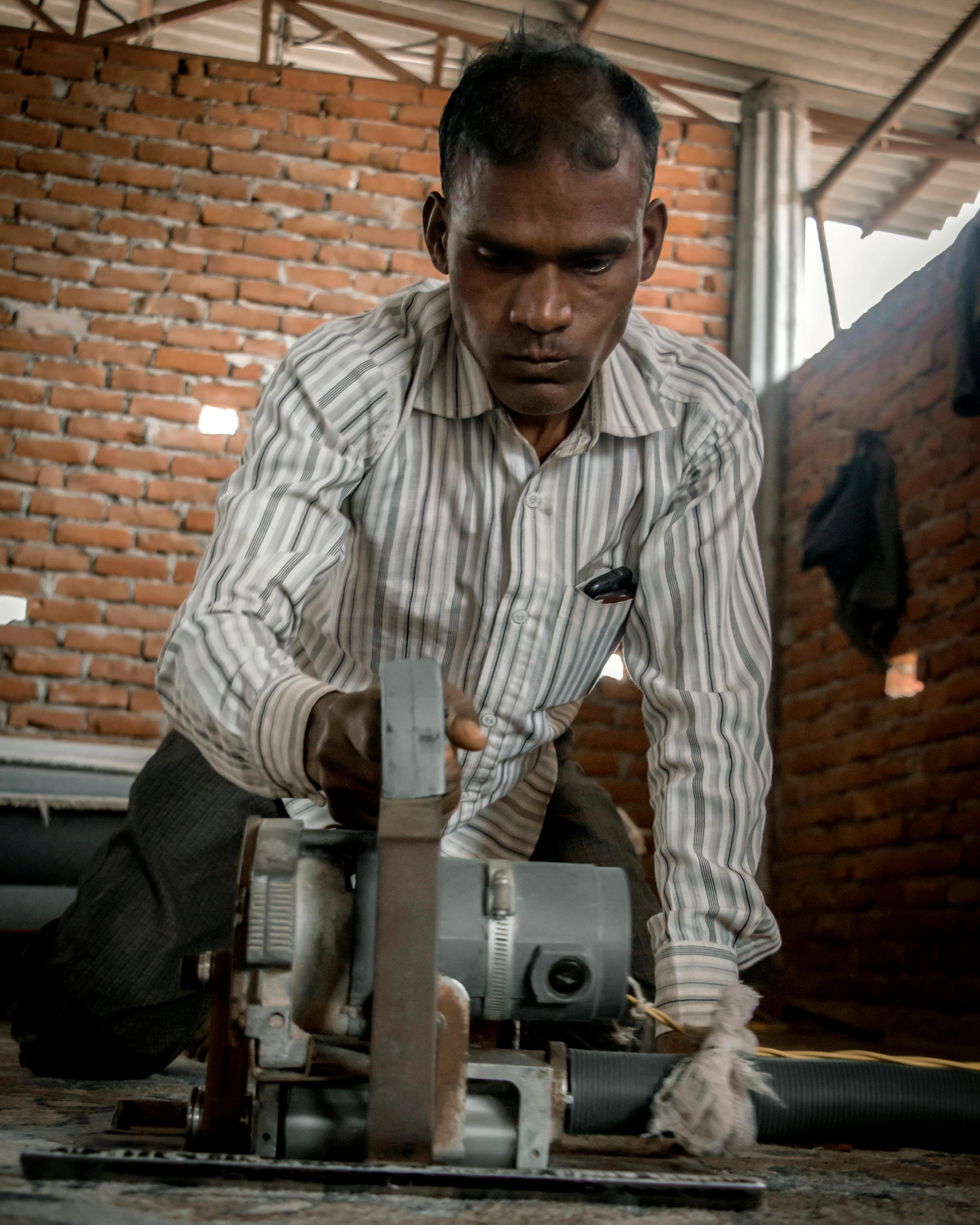
The UK is on the verge of a significant overhaul of its Skilled Worker Visa programme, set to take effect in 2025. These changes is poised to transform the landscape of employment for foreign nationals seeking to work in the UK. With a growing need for skilled labour across various sectors, the revisions aims to make the process smoother, more inclusive, and ultimately beneficial for both employers and employees.
Key Changes in the 2025 Skilled Worker Visa
The UK Skilled Worker Visa changes in 2025 introduces a number of revisions that aims to address the current challenges faced by foreign workers. Here are some of the crucial points:
- Increased Salary Thresholds: The minimum salary requirement is expected to rise. This could mean that foreign nationals will need to secure better-paying jobs to qualify.
- Shortage Occupation List Expansion: More professions could be added to the shortage occupation list, making it easier for employers in critical sectors to hire talent from abroad.
- Flexible Application Process: The application process is set to be simplified, reducing the bureaucratic hurdles that often hinder foreign nationals.
- Pathway to Settlement: There may be clearer pathways for permanent residency for workers who meet specific criteria, allowing them to settle in the UK after a certain period.
Historical Context of the Skilled Worker Visa
The Skilled Worker Visa was introduced in December 2020 as part of the UK’s post-Brexit immigration strategy. It replaced the previous Tier 2 visa system and aimed to attract skilled workers from around the globe, while ensuring that the UK has a workforce that meets the demands of its economy. However, since its inception, there has been criticism regarding the complexity and rigidity of the application process.
Why These Changes Matter
The upcoming changes in 2025 will be crucial for several reasons:
Addressing Labour Shortages: Many sectors in the UK, like healthcare and technology, are experiencing significant skill shortages. The revisions aims to fill these gaps by making it easier for foreign nationals to work legally.
Boosting the Economy: By attracting skilled workers, the UK can enhance productivity and innovation, which is vital for economic growth. Skilled immigrants contributes to the economy not just through their work but also by bringing diverse perspectives and ideas.
Strengthening Workforce Diversity: The revisions encourages a more diverse workforce, which can lead to a more inclusive and innovative working environment.
What Foreign Nationals Should Prepare For
If you’re considering applying for a Skilled Worker Visa in 2025, here are some steps you should take:
- Research the updated salary thresholds and ensure your job offers meet them.
- Understand the occupations that will likely be added to the shortage occupation list.
- Prepare relevant documentation ahead of time to make the application process smoother.
Comparison: Current vs. 2025 Visa Requirements
Current Visa Requirements:
- Minimum salary of £26,200
- Limited list of shortage occupations
- Complex application process
2025 Proposed Requirements:
- Increased salary threshold (exact figure TBD)
- Expanded shortage occupation list
- Simplified application process
Practical Examples of Impacted Sectors
The healthcare sector, for instance, is expected to benefit significantly from these changes. With a growing demand for nurses and doctors, the expansion of the shortage occupation list could facilitate quicker employment for foreign healthcare professionals. Similarly, in the tech industry, roles like software developers and data analysts might see increased opportunities as the UK aims to boost its digital economy.
Potential Challenges Ahead
Despite the positive changes, there still might be hurdles. The increased salary thresholds could create barriers for many, particularly in lower-paid sectors. Moreover, if the application process remains overly complex, it may not fully achieve its goal of attracting skilled workers.
As the 2025 Skilled Worker Visa revisions approaches, it’s important for both employers and potential foreign workers to stay informed about the changes. Understanding how these modifications can impact employment opportunities is crucial for anyone looking to navigate the UK job market in the coming years. With the right preparation and awareness, foreign nationals can position themselves for success in an evolving landscape of employment in the UK.
Navigating the 2025 UK Skilled Worker Visa Changes: Your Comprehensive Guide to Compliance

Navigating the 2025 UK Skilled Worker Visa Changes: Your Comprehensive Guide to Compliance
As the landscape of immigration continues to evolve, staying updated on the UK Skilled Worker Visa changes for 2025 is crucial for both employers and prospective employees. With new regulations coming into play, understanding these modifications will help you ensure compliance and avoid any potential pitfalls. This guide will delve into the anticipated changes, providing practical examples, bullet points, and a historical context to better grasp the implications of these updates.
A Brief Overview of the Skilled Worker Visa
The UK Skilled Worker Visa is a vital programme that allows employers in the UK to recruit foreign workers for roles that meet certain skill and salary thresholds. Since its introduction in December 2020, it has been a key component of the UK’s immigration strategy post-Brexit. The visa is designed primarily to fill skills gaps in the labour market, making it essential for various sectors, from healthcare to technology.
What’s Changing in 2025?
With the new regulations set to take effect in 2025, it’s important to take note of the following key changes:
- Salary Threshold Adjustments: The minimum salary requirement might increase from £26,200 to £28,000. This means employers needs to offer more competitive salaries to attract skilled workers.
- Shortage Occupation List: The list of roles deemed to be in shortage is expected to be updated. If a job appears on this list, it often comes with lower salary thresholds and easier access for visas.
- English Language Proficiency: Changes in requirements might include a higher standard of English language proficiency, which could affect applicants from non-English speaking countries.
- Increased Compliance Obligations: Employers may face stricter compliance obligations, with more rigorous checks on recruitment processes to ensure that they are genuinely filling skill gaps.
Historical Context of the Skilled Worker Visa
To understand the changes, it helps to look back at the history of the Skilled Worker Visa. Before the Brexit transition, the UK operated under the EU Freedom of Movement, allowing citizens from EU nations to live and work in the UK without a visa. The shift to the new visa system marked a significant change, aiming to control immigration while still meeting the labour needs of the economy.
Here’s a snapshot of how the visa system has evolved:
- Pre-2020: Free movement for EU nationals, minimal checks.
- Post-Brexit (2020): Introduction of the Skilled Worker Visa with clear salary and skill thresholds.
- 2025 Changes: Adjustments to salary thresholds, compliance measures, and English language requirements.
Key Compliance Steps for Employers
If you’re an employer looking to hire skilled workers, it’s essential to understand your obligations. Here’s a list of compliance steps you should consider:
- Review Job Descriptions: Ensure that the roles you are offering meet the skill and salary requirements set out by the updated regulations.
- Update Recruitment Policies: Adapt your recruitment policies to align with the new compliance obligations, ensuring that the recruitment process is transparent and fair.
- Training for HR Teams: Provide training for your HR team on the new regulations, ensuring they are equipped to handle the changes effectively.
- Documentation: Maintain accurate records of all recruitment processes and decisions to prove compliance if required.
Practical Examples of Changes
Let’s break down some practical examples of how these changes might affect you:
- Salary Changes: If you’re hiring a software engineer, you must now offer at least £28,000 annually, rather than the previous threshold of £26,200.
- Shortage Occupations: If your job is on the shortage occupation list, you may be able to pay a lower salary, perhaps around £20,480, instead of the higher standard.
- Language Proficiency: An applicant from Brazil may now need to demonstrate a higher level of English proficiency, perhaps needing to pass an exam rather than just providing evidence of education in English.
Conclusion
Staying informed about the 2025 UK Skilled Worker Visa changes is essential for both employers and potential employees. As the rules evolve, it’s important to adapt your strategies accordingly, ensuring compliance while effectively filling the skills gaps in the UK labour market. By understanding these changes now, you can prepare yourself or your business for a smoother transition in the coming years.
What You Need to Know About Salary Threshold Adjustments in the 2025 Skilled Worker Visa Regulations

As the world of immigration continues to evolve, it’s crucial for both employers and potential migrants to stay informed of changes. The UK Skilled Worker Visa regulations are set to undergo significant adjustments by 2025, and understanding the new salary threshold is vital for anyone looking to work in the UK. This article dives into what you need to know about the salary threshold adjustments and other important changes coming up soon.
The Current Landscape of the Skilled Worker Visa
The Skilled Worker Visa, introduced in December 2020, allows employers in the UK to hire foreign workers for skilled roles. The system marked a shift away from the previous tiered system, aiming to attract talent while addressing skills shortages in various sectors. Currently, applicants must meet a minimum salary threshold of £26,200, or the “going rate” for the specific job, whichever is higher. However, this is set to change.
What Are the Salary Threshold Adjustments in 2025?
In 2025, the UK government is planning to revise the salary thresholds for the Skilled Worker Visa. Here’s what we know so far:
- Increased Minimum Salary: The minimum salary requirement is expected to increase. While the exact figure is yet to be confirmed, it may rise to around £28,000, reflecting the UK’s efforts to ensure that salaries align with cost of living adjustments and market demands.
- Sector-Specific Rates: Certain industries may still have different going rates based on demand. For instance, healthcare roles might maintain a lower threshold to attract essential workers.
- Exceptions and Reduced Rates: There may still be exceptions for new entrants to the labour market, such as graduates and those under 26, who might benefit from a lower salary threshold during their initial years of employment.
Why Are These Changes Being Implemented?
The adjustments to the salary thresholds are not arbitrary; they are part of the UK government’s broader strategy to ensure that the immigration system meets the needs of the economy. Here are some reasons why these changes are being considered:
- Addressing Skills Shortages: Certain sectors have been struggling to find qualified workers. Raising salary thresholds could incentivise more workers to apply for jobs in sectors facing critical shortages.
- Economic Considerations: The changes align with the UK’s economic recovery post-pandemic. By ensuring that migrants earn a living wage, the government seeks to balance the needs of the economy with fair employment practices.
- Encouraging High-Quality Talent: With the increased salary threshold, the aim is to attract higher-skilled migrants, ensuring that the workforce remains competitive.
Key Points to Consider
For prospective applicants and employers, here are some vital points to keep in mind regarding the upcoming changes:
- Planning Ahead: If you’re an employer looking to hire international talent, it’s important to start planning now for these changes. Adjusting salary offers and budgets may become necessary.
- Application Procedures: The process for applying for the Skilled Worker Visa will remain largely the same; however, applicants will need to ensure they meet the new salary requirements.
- Advisory Services: It may be beneficial to consult with immigration advisors or legal experts to ensure compliance with the new regulations.
Comparisons and Examples
Let’s take a look at how the 2025 changes compare to the current regulations:
| Factors | Current Regulations (2023) | Proposed Changes (2025) |
|---|---|---|
| Minimum Salary Threshold | £26,200 | £28,000 |
| Exceptions for New Entrants | Yes (lower threshold) | Likely to continue |
| Sector-Specific Rates | Yes | Expected to remain |
For instance, a software developer currently earning £27,000 would meet the threshold now, but come 2025, they would need to negotiate a higher salary or risk not qualifying for the visa.
Final Thoughts
Keeping abreast of these changes is crucial for anyone looking to navigate the UK’s complex immigration landscape. With the impending adjustments to the salary thresholds for the Skilled Worker Visa, both employers and foreign workers need to prepare adequately. As regulations evolve, so too must strategies for recruitment and employment in the UK. Ensuring that you are informed and ready for these changes can make a significant difference in your immigration journey.
Are You Ready for the 2025 UK Skilled Worker Visa Changes? Key Steps to Take Now

As the world of immigration continues to evolve, many people are wondering about the changes to the UK Skilled Worker Visa that are set to take effect in 2025. These changes could have a significant impact on individuals looking to work in the UK, and it’s important to be informed. Are you ready for the 2025 UK Skilled Worker Visa changes? Here’s what you need to know now.
Understanding the Skilled Worker Visa
The UK Skilled Worker Visa allows individuals from outside the UK to come and work in the country in an eligible job offered by an approved employer. This visa replaced the Tier 2 (General) work visa in December 2020 and has since undergone a few adjustments, but the upcoming changes in 2025 are expected to be more substantial.
Key features of the current Skilled Worker Visa include:
- Job Offer Requirement: Applicants must have a confirmed job offer from a licensed sponsor.
- Skill Level: The position must meet a minimum skill level, typically RQF Level 3 or above (equivalent to A-levels).
- English Language Proficiency: Applicants must demonstrate a certain level of English.
- Minimum Salary Threshold: Generally, the job must pay at least £26,200 per year or the “going rate” for the job, whichever is higher.
Key Changes to Expect in 2025
So, what are the expected changes that could affect potential applicants in 2025? While the UK government hasn’t released all the specifics, there are some anticipated shifts based on current trends and policy discussions:
Revised Salary Thresholds: There have been talks about increasing the minimum salary requirements. This might mean that some applicants will need to negotiate higher salaries or seek positions that pay more to qualify.
Expanded List of Eligible Occupations: The Home Office might introduce more occupations to the eligible list, potentially benefiting sectors that are currently struggling to attract talent.
Changes in Points-Based System: The points system that assesses eligibility might see adjustments, which could alter how points are awarded (or deducted) for various qualifications and experiences.
Enhanced Focus on Regional Skills: There could be a stronger emphasis on filling skill gaps in specific regions of the UK. This may lead to different requirements based on location.
Increased Flexibility for Employers: Employers might receive more leeway in how they demonstrate their need for skilled workers, aiming to ease the recruiting process.
Key Steps to Take Now
For those considering applying for the UK Skilled Worker Visa in light of upcoming changes, it’s crucial to prepare ahead of time. Here are some key steps to take now:
Research Eligible Jobs: Keep an eye on the current list of eligible occupations and stay updated on any expected additions or removals in the future.
Enhance Your Skills: Upskill or reskill in your field to meet the higher skill level requirements that may be implemented.
Improve Your English: If your language proficiency is not up to standard, now is the time to work on it. Many jobs require a high level of English, and being prepared can strengthen your application.
Network with Employers: Building connections with UK employers can be beneficial. Attend job fairs, webinars, and industry events to increase your visibility.
Stay Informed on Policy Changes: Government immigration policies can change frequently. Subscribe to updates from the Home Office or follow relevant news sources.
Comparison of Visa Requirements
Here’s a simplified comparison of current versus anticipated future requirements for the Skilled Worker Visa:
Current Requirements:
- Job offer from a licensed sponsor
- Minimum RQF Level 3 skills
- English language proficiency
- Salary threshold of £26,200
Anticipated Future Requirements (2025):
- Potentially higher salary threshold
- Expanded list of eligible occupations
- Adjusted points-based system criteria
- Regional focus on skills shortages
- Greater flexibility for employers
Final Thoughts
Navigating the UK Skilled Worker Visa landscape can be complex, especially with impending changes on the horizon. By understanding the current requirements and preparing for the anticipated adjustments in 2025, you can position yourself as a strong candidate. Stay proactive, stay informed, and take the necessary steps now to ensure that you are ready for the new era of the UK Skilled Worker Visa. With the right preparation, the opportunities in the UK job market can be within your reach.
Conclusion
In conclusion, the upcoming changes to the UK Skilled Worker Visa in 2025 are set to reshape the landscape for both employers and potential migrants. The introduction of a points-based system will prioritise skills and qualifications, making it essential for applicants to meet specific criteria to qualify. Additionally, the emphasis on sectors facing shortages illustrates the government’s commitment to addressing workforce gaps while ensuring that the UK remains an attractive destination for talent. As the deadline approaches, it is crucial for businesses to stay informed about these changes and adapt their recruitment strategies accordingly. For prospective applicants, understanding the new requirements will be vital to successfully navigate the application process. Ultimately, these reforms present an opportunity for a more dynamic and skilled workforce that can drive the UK’s economy forward. Stay proactive and ensure you are well-prepared to make the most of the evolving immigration landscape.