

Lockerbie: A Search for Truth That Uncovers Hidden Secrets delves into the tragic events surrounding the 1988 Lockerbie bombing, where Pan Am Flight 103 was tragically destroyed, killing 270 people. This article takes you on a compelling journey, exploring the complex investigations, controversial theories, and the relentless quest for justice that continues to this day. What truly happened that fateful night? Are we closer to uncovering the hidden secrets that linger in the shadows of this infamous case?
The Lockerbie tragedy not only shattered countless lives but also sparked a global debate about terrorism, national security, and the pursuit of truth. As we peel back the layers of this harrowing incident, we may discover that the search for truth is fraught with challenges and conflicting narratives. Could it be that key evidence has been overlooked, or that influential parties have manipulated the story to serve their own agendas? With every revelation comes new questions, igniting our curiosity and urging us to dig deeper into the mysteries that surround Lockerbie.
In this investigation, we will also examine the political implications of the bombing and how they continue to resonate in today’s world. The Lockerbie case remains a poignant reminder of the complexities of international relations and the far-reaching consequences of terrorism. Join us as we embark on this quest to uncover the truth behind Lockerbie, seeking answers to questions that have haunted families, nations, and the global community for decades. Are you ready to explore the intricate web of secrets that lies beneath the surface?
Unraveling the Lockerbie Mystery: 7 Key Facts You Never Knew About the Tragic Incident

The Lockerbie bombing is one of the most tragic events in aviation history, taking place on December 21, 1988. It shook not only the town of Lockerbie in Scotland but the entire world, leading to endless investigations and debates. As time passes, more details emerge, revealing a complex tapestry of political intrigue and human tragedy. Here, we unravel the Lockerbie mystery with seven key facts you may never knew, offering a fresh perspective on this somber incident.
1. A Plane Full of Lives
Pan Am Flight 103 was en route from London to New York City when it met its tragic fate. The Boeing 747 had 243 passengers and 16 crew members onboard. When the plane exploded over Lockerbie, 270 lives were lost — the majority being American citizens. The aftermath left families shattered and communities mourning.
2. The Bomb’s Hidden Nature
The bomb that destroyed the flight was concealed in a dusty cassette player. This method of hiding explosives was particularly cunning, as it easily passed through security checks. Investigators later determined that the bomb was made of Semtex, a plastic explosive, which remains notoriously difficult to detect with standard security measures of the time.
3. Political Motives at Play
The Lockerbie bombing was not just a senseless act of violence; it was intricately tied to international politics. Following the bombing, it became apparent that Libyan officials were involved. The incident was seen as a retaliation against American airstrikes on Libya, which had occurred earlier that year. The relationship between the US and Libya had been tense for decades, and the bombing added fuel to an already volatile situation.
4. The Long Road to Justice
It took years for justice to be served. In 1991, the US and UK named two Libyan intelligence agents as suspects. However, it wasn’t until 2001 that Abdelbaset al-Megrahi was convicted in a Scottish court. His trial was controversial, with many believing that the evidence against him was circumstantial. Al-Megrahi always maintained his innocence, and his case continues to stir debate.
5. The Role of Intelligence Agencies
There were claims that various intelligence agencies, including the CIA, had prior knowledge of a potential attack. Some documents suggested that warnings about a possible bombing were ignored. This raises troubling questions about the effectiveness of intelligence and whether lives could have been saved had appropriate actions been taken.
6. The Impact on Lockerbie
The small town of Lockerbie became a symbol of loss and resilience. The community had to cope with the immediate aftermath, which included the physical destruction and the emotional toll on families. In the years that followed, memorials were erected, and annual remembrance events were held. The incident also prompted changes in aviation security worldwide, leading to stricter measures that are still in place today.
7. Ongoing Investigations
Even after decades, the quest for truth continues. Various groups, including victims’ families, have kept pressure on authorities to re-examine evidence and investigate alternative theories. In recent years, some have called for a deeper look into the possibility of other parties being involved in the bombing, suggesting that the narrative may not be as clear-cut as it seems.
In Summary
The Lockerbie incident remains a painful chapter in history, with layers of intrigue and tragedy. The investigation uncovered not just the horrors of the bombing, but also the complex interplay of politics, intelligence, and human suffering. As we delve into the past, it’s crucial to remember the lives lost and the families forever affected by this crime. The search for truth continues, and it serves as a reminder of the importance of vigilance in both aviation security and international relations.
The Lockerbie bombing will always be a haunting reminder of the fragility of life and the far-reaching impact of violence. As we reflect on this tragic event, we must be vigilant in our pursuit of justice and understanding, ensuring that such a tragedy never happens again.
The Lockerbie Bombing: How New Evidence is Shaking Up Our Understanding of the Case
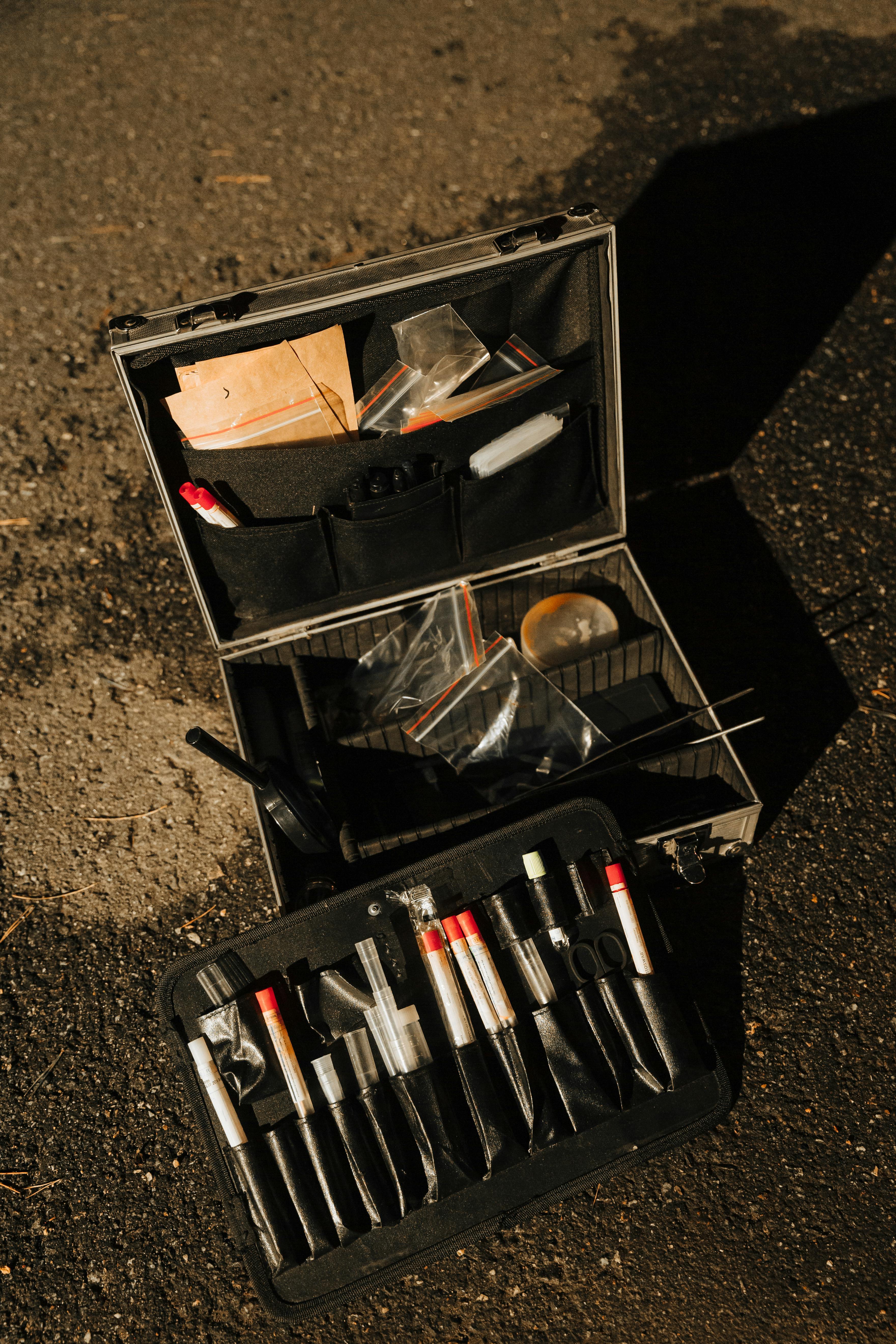
The Lockerbie Bombing: How New Evidence is Shaking Up Our Understanding of the Case
In December 1988, the world was rocked by the Lockerbie bombing, a tragic event that resulted in the deaths of 270 people. A commercial flight, Pan Am Flight 103, was destroyed over the small Scottish town of Lockerbie, and the incident has since become a focal point for debates around terrorism, justice, and the quest for truth. As new evidence emerges, it’s causing many to re-evaluate what they thought they knew about the case, leading to fresh discussions about accountability and the real culprits behind this horrific act.
The Incident and Its Immediate Aftermath
On the evening of December 21, 1988, Pan Am Flight 103 was en route from London to New York when it exploded in mid-air. The wreckage rained down on Lockerbie, killing all 259 passengers and crew aboard, along with 11 residents on the ground. The immediate investigation pointed towards a bomb on board, leading to a lengthy and complex inquiry into who was responsible.
Key facts about the Lockerbie bombing:
- Date: December 21, 1988
- Flight: Pan Am Flight 103
- Casualties: 270 (259 on the plane, 11 on the ground)
- Primary suspect: Libyan government officials
Investigations and Initial Findings
The probe into the Lockerbie bombing was one of the largest in history, involving multiple agencies and spanning several years. In 1991, the United States and the United Kingdom accused Libya of orchestrating the attack, leading to the eventual arrest of Abdelbaset al-Megrahi, a Libyan intelligence officer. In 2001, he was convicted of murder and sentenced to life imprisonment. However, questions about the evidence and the fairness of the trial has lingered ever since.
New evidence that has recently come to light is forcing many to rethink the narrative that has been accepted for so long. Some of this evidence suggests that the investigation may have overlooked crucial details, pointing to other potential perpetrators in the process.
New Evidence: What’s Changing?
Recent developments have included:
- Declassified documents: Uncovered files from intelligence agencies that hint at involvement from other groups.
- Witness testimonies: New accounts from individuals claiming to have seen suspicious activity around the time of the bombing.
- Technological advancements: Improved forensic techniques that allow for re-examination of the evidence collected from the crash site.
This new information is not just shaking the foundations of the case; it’s also reigniting the public’s interest in Lockerbie and the ongoing search for truth. For many, the idea that there could be hidden secrets, long concealed, is both alarming and compelling.
The Search for Truth
The quest for the truth behind the Lockerbie bombing has been fraught with obstacles. The families of the victims have often expressed their frustration over the slow pace of justice and the inconsistencies in the official narrative. This has led to various movements aimed at reopening the investigation.
Key points in the search for truth include:
- Advocacy groups: Several organisations have formed to push for further investigations, urging governments to take action.
- Media involvement: Documentaries and investigative pieces have been produced, exploring the complexities of the case and raising awareness about the ongoing quest for accountability.
- Legal battles: The families of victims have engaged in lawsuits against Libya, hoping to gain reparations and uncover more information.
Comparisons with Other Terrorism Cases
When examining Lockerbie, it’s useful to compare it with other significant terrorism cases to understand the broader implications:
- 9/11 Attacks: Like Lockerbie, these attacks were attributed to a specific group (Al-Qaeda), but also led to debates on whether there were larger geopolitical forces at play.
- Madrid Train Bombing (2004): This attack initially blamed ETA, but later investigations revealed Al-Qaeda involvement, showing how initial assumptions can be misleading.
These comparisons highlight that the complexities and layers of terrorism cases often lead to misunderstandings and misattributions, which is dangerously relevant for Lockerbie.
The Ongoing Impact
Decades have passed since the Lockerbie bombing, yet the impact remains profound. It has shaped international relations, particularly between Libya and the West. Furthermore, the tragedy serves as a reminder of the potential for hidden truths to surface, challenging accepted narratives and urging a more thorough examination of the case.
As new evidence continues to emerge, the quest for truth in Lockerbie is far from over. The unresolved questions linger, and for the families affected, every new detail carries the weight of hope for clarity and justice. It’s a haunting reminder that in the pursuit of understanding, sometimes the deepest secrets lay just beneath the surface, waiting to be uncovered.
Decoding the Lockerbie Investigation: 5 Hidden Secrets That Could Change Everything

In the shadows of history, the Lockerbie bombing stands as one of the most tragic and complex events. On December 21, 1988, Pan Am Flight 103 was blown up over the Scottish town of Lockerbie, killing all 259 people on board and 11 on the ground. This incident shocked the world and sparked an extensive investigation that has continued for decades. However, as the years have passed, it seems there might be more lurking beneath the surface. Decoding the Lockerbie investigation reveals several hidden secrets that could change everything we thought we knew.
The Initial Investigation: A Cloud of Confusion
Right after the tragedy, investigators from various agencies, including the FBI and the Scottish police, began their work. They faced many challenges, including the vast debris field and the international nature of the flight. Some of the key points during this phase include:
- Immediate Response: The British and American authorities worked together, yet there was considerable confusion over jurisdiction and responsibilities.
- Determining the Cause: It took weeks to confirm that an explosive device was responsible for the disaster.
- International Tensions: The investigation occurred during heightened tensions between the US and Libya, complicating the search for facts.
This initial phase set the stage for a saga filled with intrigue and conspiracy theories, which still captivates public interest today.
The Libyan Connection: A Web of Allegations
One of the most enduring aspects of the Lockerbie investigation is the alleged involvement of Libyan intelligence. In 1991, the US issued arrest warrants for two Libyans, Abdelbaset al-Megrahi and Lamin Khalifah Fhimah. But what led to these accusations?
- Political Climate: Libya was seen as a pariah state in the 1980s, and Muammar Gaddafi’s regime was linked to multiple acts of terrorism.
- Evidence Review: Much of the evidence against the Libyans was circumstantial, leading to debates about its validity.
- Trial and Conviction: Al-Megrahi was convicted in 2001, but many still question the integrity of the trial process.
The Libyan connection continues to be a focal point for those seeking the truth, raising more questions than answers.
Secret Documents: Uncovering Hidden Evidence
In recent years, there have been calls for the release of classified documents related to the Lockerbie investigation. Some believe that these documents may contain vital information about the events surrounding the bombing. What might they reveal?
- Intelligence Reports: Speculation suggests that there are reports that could implicate other parties or countries.
- Witness Testimonies: Some testimonies may have been ignored or downplayed during the initial investigation.
- Government Involvement: Questions about whether governments manipulated evidence or information for political gain persist.
The potential for new revelations from these documents is immense, and many families of victims advocate for transparency.
Alternative Theories: Challenging the Official Narrative
Over the years, alternative theories about the Lockerbie bombing have emerged, challenging the official narrative. These theories often focus on different suspects or motives. Some notable examples include:
- Iranian Involvement: Some believe that Iran, seeking revenge for the downing of an Iranian airliner by the US, orchestrated the bombing.
- Drug Smuggling: Others suggest that the incident may have connections to drug trafficking, pointing to the use of the flight route for smuggling operations.
- Inside Job Theories: There are claims that the bombing was a deliberate act by intelligence services to achieve political goals.
These theories, while often dismissed, reflect the ongoing quest for truth surrounding the Lockerbie incident.
New Investigations: The Search for Truth Continues
As technology advances and new investigative techniques emerge, there is renewed hope that the Lockerbie case could be re-examined. Current efforts include:
- Forensic Science: New methods may uncover fresh evidence from the original crime scene.
- International Collaboration: Modern investigative teams could work more effectively across borders, sharing information that may have been lost.
- Public Advocacy: Groups lobbying for justice keep the pressure on authorities to revisit the case.
The search for truth surrounding Lockerbie remains alive, driven by a mix of technological advancements and public demand for answers.
For many, the Lockerbie bombing is not just a historical event; it represents a quest for justice and understanding. As more secrets are uncovered and new evidence comes to light, it could reshape our understanding of what truly happened that fateful day. The pursuit of truth continues, and with it, the hope for resolution for the families affected by this tragedy.
What Really Happened in Lockerbie? Exploring 10 Controversial Theories and Eyewitness Accounts

On December 21, 1988, Pan Am Flight 103 tragically exploded over Lockerbie, Scotland, killing all 259 people aboard and 11 on the ground. This devastating event left families shattered and raised numerous questions about the circumstances surrounding the disaster. Over the years, various theories and accounts have emerged, prompting many to question: What really happened in Lockerbie? In this article, we will explore ten controversial theories along with eyewitness accounts, seeking to uncover the hidden secrets surrounding that fateful night.
The Official Narrative
The official investigation concluded that a bomb detonated in the cargo hold. The bomb was believed to be hidden in a suitcase, which was loaded onto the plane in Malta. The Libyan government was implicated, and in 1991, two Libyan intelligence officers were charged. This led to years of diplomatic tensions, however, many still questions the validity of this account.
Eyewitness Accounts: Conflicting Stories
Eyewitness testimonies provide a tangled web of conflicting narratives. Some witnesses described seeing a fireball, while others noted strange noises before the explosion.
- Fireball sightings: Numerous residents reported seeing a large fireball in the sky moments before the explosion.
- Strange aircraft: A few individuals claimed to have seen a second aircraft in the vicinity, raising questions about the possibility of a mid-air collision or military involvement.
Theory 1: The Libyan Connection
The most widely accepted theory points to Libya as the mastermind behind the attack. Advocates of this theory argue that Colonel Muammar Gaddafi ordered the bombing in retaliation for US airstrikes. However, many critics suggest that the evidence against Libya was circumstantial at best.
Theory 2: Iranian Involvement
Some theorists propose that Iran was actually responsible for the bombing, seeking revenge for the US shooting down Iran Air Flight 655 earlier that year. This theory gained traction due to the alleged connections between Iran and various terrorist groups.
Theory 3: A CIA Plot
A more controversial theory suggests that the CIA orchestrated the bombing to further its own interests in the Middle East. Proponents point to the political climate of the time, arguing that the US wanted to create a justification for military action against Libya.
Theory 4: A Drug Smuggling Operation
Another theory posits that the bombing was a result of a drug smuggling operation gone wrong. Some believe that the plane was targeted because it was transporting narcotics for a drug cartel.
Theory 5: A Technical Failure
Some experts propose that the explosion was caused by a technical failure rather than a deliberate act of sabotage. They argue that a malfunction in the aircraft’s systems could have led to the catastrophic event.
Theory 6: A Cover-Up
The idea of a cover-up has gained traction over the years, with some suggesting that key evidence was suppressed or manipulated to protect powerful interests. This theory raises questions about the integrity of the investigation and the motivations behind it.
Theory 7: A Military Exercise Gone Wrong
Another theory suggests that the explosion was the result of a military exercise or test that went horribly wrong. Some theorists claim that a missile accidentally fired from a nearby military base could have struck the aircraft.
Theory 8: The Role of the Syrian Government
There are also claims that the Syrian government was involved in the bombing, possibly in collaboration with Libyan operatives. This theory highlights the complex web of Middle Eastern politics and the potential for collaboration among various factions.
Theory 9: A Personal Vendetta
Some believe that the bombing may have been motivated by a personal vendetta against a specific individual on board the flight. This theory is less substantiated but adds another layer of complexity to the investigation.
Theory 10: The Role of the Media
Lastly, some theorists argue that the media’s portrayal of the events has shaped public perception and influenced the investigation. The focus on certain narratives over others may have obscured the truth.
The Quest for Truth
As the years have gone by, the quest for truth about Lockerbie remains fraught with challenges. Families of the victims continue to seek answers, and many feel that the official narrative does not tell the whole story.
- The investigation cost: Over $100 million spent on the inquiry.
- Number of suspects: Two Libyan officials charged, but many believe more were involved.
- Ongoing inquiries: Various independent investigations have been launched, but none have conclusively resolved the mystery.
The Lockerbie tragedy is more than just a historical event; it’s a painful chapter filled with unanswered questions and unresolved grief. The search for truth continues, with many hoping that one day, the hidden secrets of Lockerbie will be revealed, bringing closure to those still mourning the loss of loved ones.
The Quest for Truth: How Modern Technology is Revealing Lockerbie’s Darkest Secrets

The tragedy of Lockerbie is one that still haunts many. On December 21, 1988, Pan Am Flight 103 was brought down over the small Scottish town of Lockerbie, resulting in the deaths of 270 people. This catastrophic event not only changed the lives of countless families but also sparked an international investigation into terrorism and its far-reaching impacts. Recent advancements in technology have begun to reveal some of the darkest secrets surrounding this incident, leading to a renewed quest for truth that many thought had been buried.
The Historical Context of Lockerbie
The Lockerbie bombing was a pivotal moment in aviation history. Here’s a brief overview of the events leading up to the tragedy:
- Date of Incident: 21 December 1988
- Aircraft: Pan Am Flight 103
- Location: Lockerbie, Scotland
- Victims: 270 people, including 11 residents of Lockerbie
- Investigation Start: Immediately following the crash, a massive international investigation was launched.
In the years that followed, various theories and allegations began to emerge concerning who was responsible for the bombing. The investigation led to the identification of Libyan suspects, and in 2001, Abdelbaset al-Megrahi was convicted for his role in the bombing. However, doubts over the integrity of the trial and the evidence presented never fully dissipated.
The Role of Modern Technology
In recent years, advances in forensic science and data analysis have transformed how cold cases are investigated. The Lockerbie case, once thought to be settled, is now under fresh scrutiny. The following technologies are playing crucial roles in uncovering hidden truths:
- DNA Analysis: New techniques allow for more precise identification of remains and their origins.
- Digital Forensics: Analysis of digital communications and travel records can help piece together the events leading to the tragedy.
- Geospatial Technology: Satellite imagery and mapping tools can provide insights into the locations and movements of individuals involved.
These technologies are not only revealing new evidence but also reshaping the narrative surrounding the bombing.
A Search for Truth
The quest for truth regarding Lockerbie has led many to question the official accounts. Some notable points of contention include:
- Evidence Integrity: There are claims that critical evidence was mishandled or even fabricated during the original investigation.
- Political Motivations: The case has been embroiled in political intrigue, with some suggesting that certain parties benefitted from the conviction of al-Megrahi, regardless of his actual guilt or innocence.
- Survivors’ Perspectives: Families of victims continue to seek answers and demand transparency, believing that the full story has yet to be told.
Community Impact and Responses
The town of Lockerbie itself has been profoundly affected by this tragedy. The community has shown resilience, but the scars remain. Here are some ways the community has responded:
- Memorials: Several memorials have been established to honour the victims and promote peace.
- Educational Initiatives: Local schools have integrated lessons about the bombing into their curricula to educate future generations.
- Support Groups: Families of victims have formed groups to support one another and advocate for continued investigations.
The Future of the Investigation
With modern technology at our disposal, the future of the Lockerbie investigation appears to hold promise. Here’s what may be on the horizon:
- New Trials: If significant new evidence surfaces, there’s potential for retrials or further legal action against those implicated.
- International Cooperation: As global relations evolve, there may be renewed efforts to collaborate internationally on the case.
- Public Interest: Documentaries and investigative journalism are bringing renewed attention to Lockerbie, which may spur a resurgence of public demand for answers.
The quest for truth surrounding Lockerbie is not just about uncovering what happened that fateful night; it is about providing closure to countless families and ensuring that justice is served. Each new revelation and piece of evidence brings us closer to understanding the full scope of this tragedy.
As we continue to peel back the layers of this dark chapter in history, one thing remains clear: the search for truth is far from over. Modern technology is not just revealing the past; it is reshaping our understanding of it. The legacy of Lockerbie is a reminder of the importance of transparency, accountability, and the relentless pursuit of justice.
Conclusion
In conclusion, the Lockerbie tragedy remains a poignant chapter in modern history, marked by profound loss and lingering questions. We explored the events of December 21, 1988, when Pan Am Flight 103 was brought down over Scotland, resulting in the deaths of 270 people. The subsequent investigations, legal proceedings, and the controversial conviction of Abdelbaset al-Megrahi highlight the complexities surrounding the case. Key points such as the impact on international relations, the role of media narratives, and the ongoing calls for transparency underline the need for a thorough re-examination of the evidence. As we reflect on this tragedy, it is crucial for the families affected and society at large to seek justice and accountability. We must advocate for the truth, ensuring that the lessons learned from Lockerbie are not forgotten, and that we continue to push for clarity and resolution in the face of ambiguity.