Giant Kelp Forests of the Great Southern Reef: A hidden wonder that many have yet to discover! Nestled off the coast of Australia, these breathtaking underwater ecosystems are not just stunning; they are vital to marine biodiversity. In this article, we will dive deep into the mysteries of the Giant Kelp Forests, exploring their significance, the unique life forms they support, and the pressing threats they face. Could this underwater paradise be the solution to some of our planet’s environmental challenges?
The Great Southern Reef is home to the largest continuous stretch of kelp forests in the world, and their beauty can’t be overstated. Imagine towering strands of giant kelp swaying gracefully in the ocean currents, providing a habitat for a plethora of marine species, including fish, crustaceans, and even seals. However, these forests are not just a feast for the eyes; they play a crucial role in carbon sequestration and maintaining ocean health. With climate change and pollution threatening these exquisite ecosystems, it raises an urgent question: how can we protect these marine treasures?
In our exploration, we will uncover the incredible biodiversity that thrives within the Giant Kelp Forests of the Great Southern Reef and the efforts needed to safeguard this vital habitat. From the fascinating relationships between kelp and marine life to the impact of human activity, this article aims to shed light on why these hidden wonders deserve our attention. Are you ready to embark on a journey into one of the Earth’s most remarkable ecosystems? Let’s dive into the depths of the Great Southern Reef and unveil its secrets!
Discover the Astonishing Biodiversity of Giant Kelp Forests: A Deep Dive into the Great Southern Reef
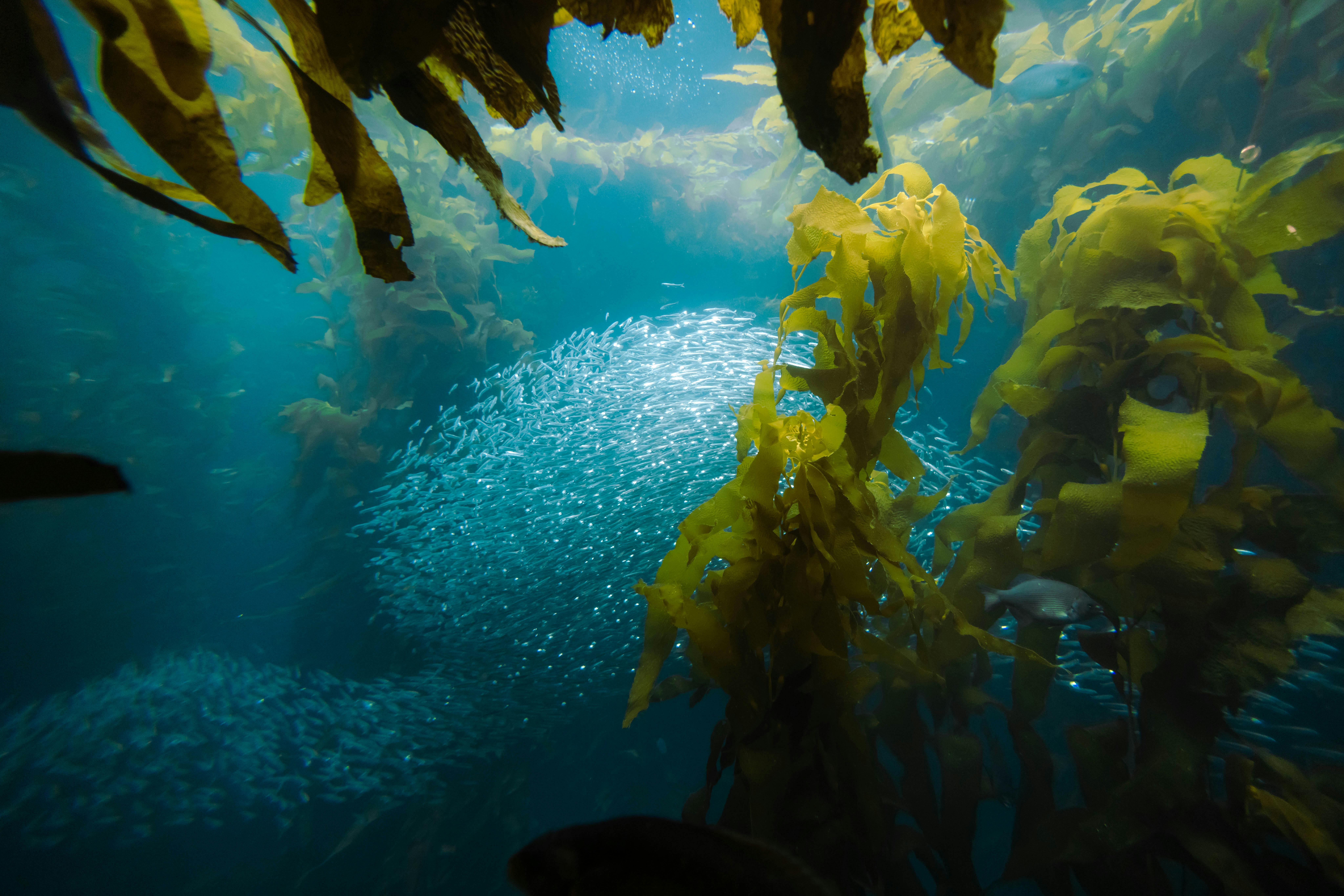
Giant kelp forests, located in the Great Southern Reef, are one of nature’s most astonishing treasures, teeming with life and colour. Stretching along the southern coast of Australia, these underwater jungles are not only breathtaking but also play a crucial role in the marine ecosystem. Many people don’t realise the vast extent of biodiversity that resides within these forests. Let’s dive deep into this hidden wonder, and discover what makes the giant kelp forests of the Great Southern Reef so special.
What Are Giant Kelp Forests?
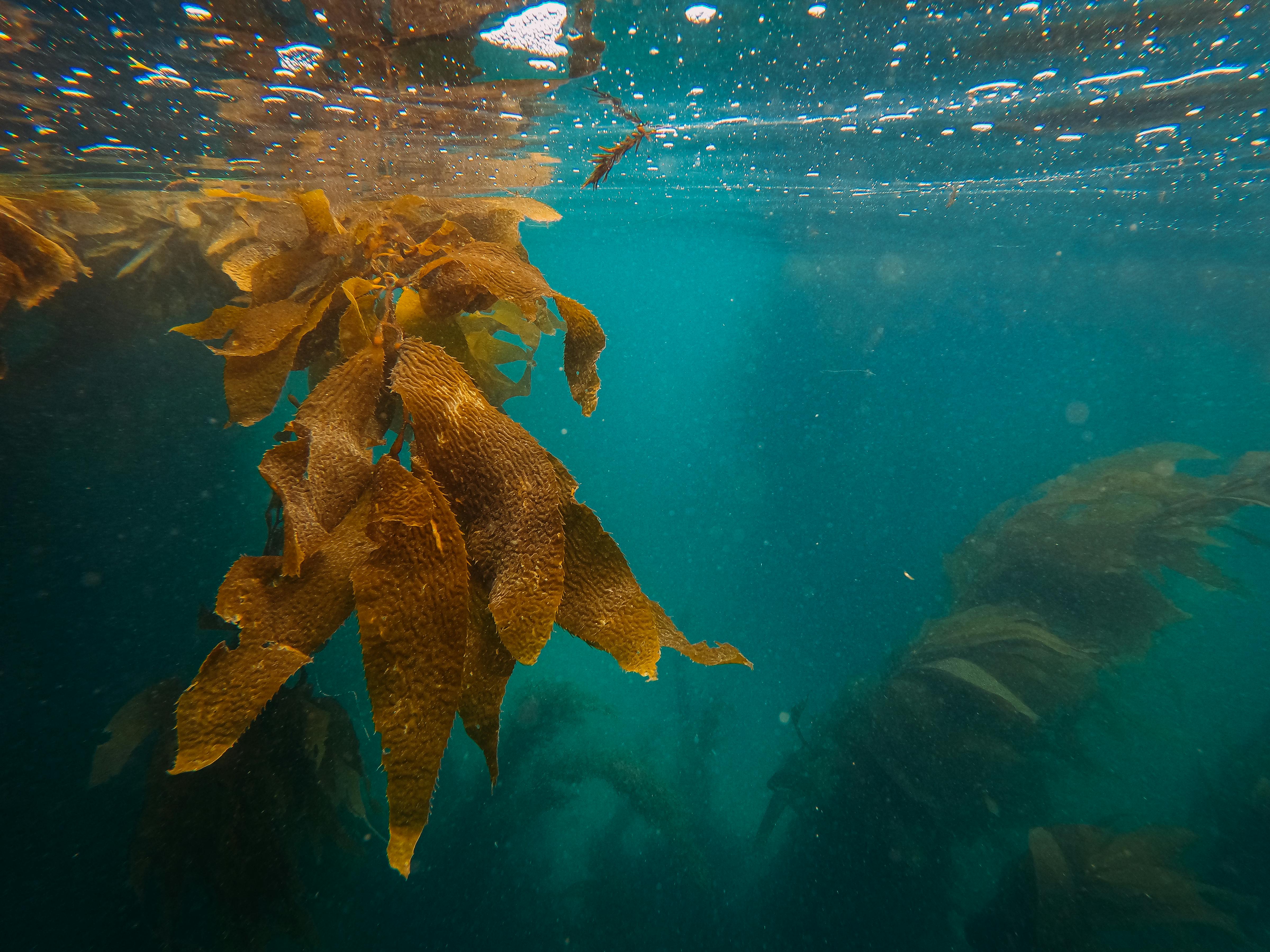
Giant kelp, or Macrocystis pyrifera, is a large brown algae that can grow up to 50 metres in length. These astonishing plants create underwater forests that provide habitat and food for a multitude of marine species. The forests are found in nutrient-rich waters, where the kelp can thrive and support a diverse array of life.
- Characteristics of Giant Kelp:
- Fast-growing: Giant kelp can grow up to 60 cm a day in optimal conditions.
- Habitat provider: These forests serve as homes for fish, invertebrates, and marine mammals.
- Carbon sink: They absorb carbon dioxide, helping to mitigate climate change.
Biodiversity in the Kelp Forests
The giant kelp forests are home to an incredible variety of species. From tiny invertebrates to large marine mammals, the forests support both predators and prey, creating a dynamic ecosystem. Some of the notable inhabitants include:
Fish Species:
- Snapper
- Rock lobster
- Garfish
Invertebrates:
- Sea urchins
- Crabs
- Anemones
Marine Mammals:
- Sea lions
- Seals
- Dolphins
Sea Birds:
- Cormorants
- Penguins
These species all interact in complex ways, forming a web of life that is both fascinating and essential for the health of the ocean.
The Great Southern Reef: An Overview
The Great Southern Reef stretches over 8,000 kilometres along Australia’s southern coastline, making it one of the largest reef systems in the world. Unlike the coral reefs of the Great Barrier Reef, the Great Southern Reef predominantly features kelp forests and rocky reefs. This unique environment is not only biologically diverse but also culturally significant, with many Indigenous communities relying on its resources for thousands of years.
Importance of Kelp Forests
Giant kelp forests do much more than just look pretty. Their ecological importance cannot be overstated. They provide essential services such as:
- Habitat: Offering shelter and breeding grounds for numerous marine species.
- Food source: Many fish and invertebrates rely on kelp for nutrition.
- Erosion control: Their roots help stabilise the ocean floor, reducing coastal erosion.
- Carbon sequestration: They absorb carbon dioxide, helping to combat climate change.
Threats to Kelp Forests
Despite their importance, giant kelp forests face numerous threats. Climate change, pollution, and overfishing put immense pressure on these ecosystems. Warmer water temperatures can lead to the decline of kelp, while nutrient runoff from agriculture can cause algal blooms that smother the forests.
- Key Threats Include:
- Ocean warming
- Ocean acidification
- Pollution (e.g., plastic waste, chemicals)
- Overfishing and habitat destruction
These threats not only endanger the kelp but also the myriad of species that depend on these forests for survival.
Preservation Efforts
In recent years, there has been a growing awareness of the need to protect giant kelp forests. Various organisations and governments are working together to implement conservation measures. Some of these efforts include:
- Marine protected areas: Establishing zones where fishing and other disruptive activities are restricted.
- Public awareness campaigns: Educating communities about the importance of kelp forests and how to protect them.
- Research initiatives: Studying the health of kelp forests and the impacts of human activity on their ecosystems.
Why Visit the Great Southern Reef?
For those who are adventurous or simply curious about nature, visiting the Great Southern Reef can be an eye-opening experience. Snorkelling or diving in these kelp forests can reveal a vibrant world that few people get to see. Here are some practical tips for your visit:
- Best times to visit: Late spring to early autumn (November to April) when the water is warmer and visibility is better.
- Activities: Snorkelling, scuba diving, kayaking, and wildlife tours.
- Location highlights: Port Phillip Bay, Tasmania, and the Eyre Peninsula are just a few areas where you can explore these forests.
Giant kelp forests of the Great Southern Reef are indeed a hidden wonder, full of life and potential. Their preservation is crucial not just for the
5 Reasons Why the Great Southern Reef’s Giant Kelp Forests Are a Must-See for Marine Enthusiasts
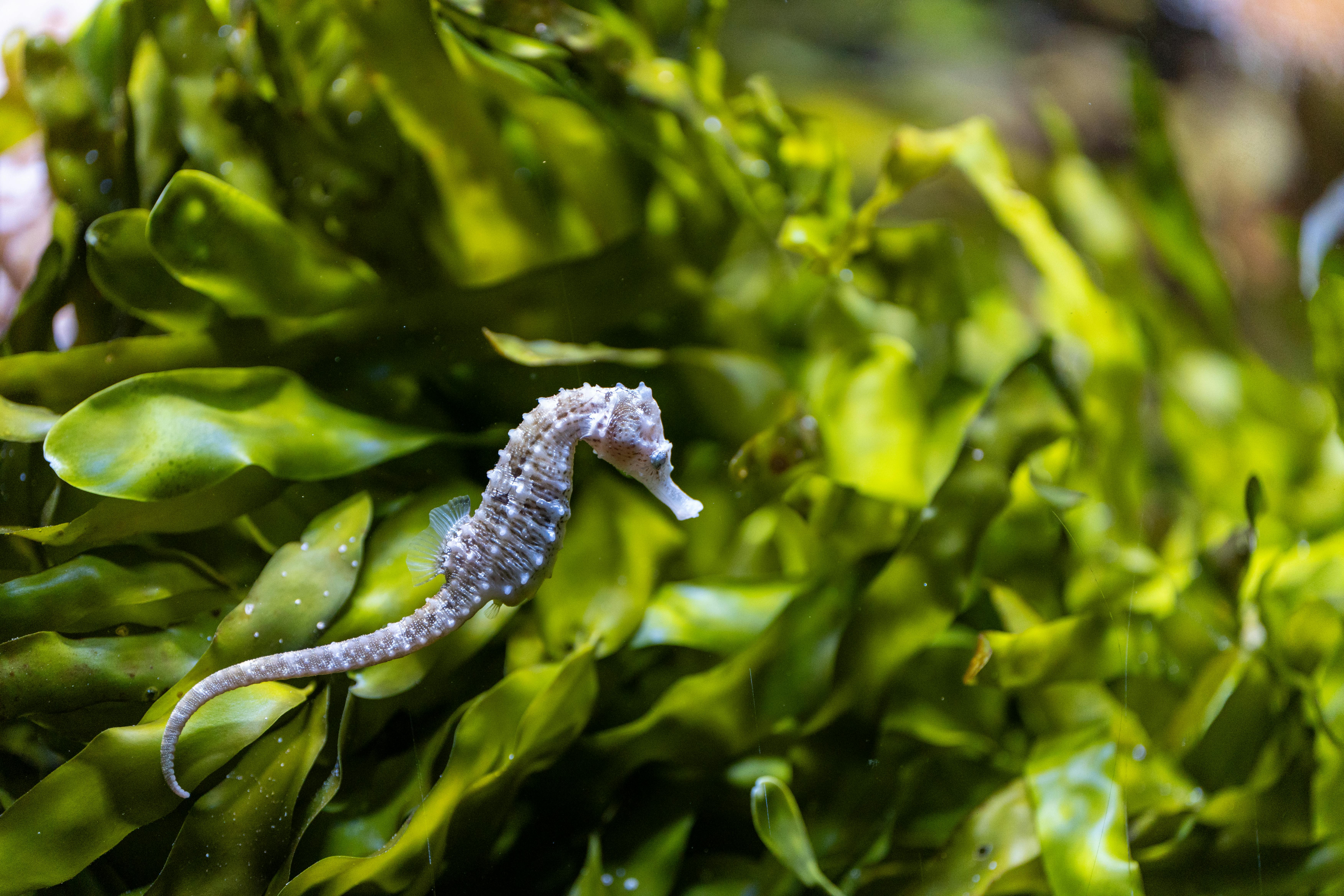
The Great Southern Reef, stretching over 8,000 kilometres along the southern coastline of Australia, is home to some of the most breathtaking marine ecosystems on the planet. Among these, the giant kelp forests stand out as an extraordinary hidden wonder, attracting marine enthusiasts from all over the world. Here are five compelling reasons why you must put these underwater forests on your bucket list.
1. Unique Biodiversity
The giant kelp forests are teeming with life, hosting a diverse array of marine species. From vibrant fish species to invertebrates and mammals, the biodiversity here is unmatched. You can spot species like:
- Giant cuttlefish
- Sea urchins
- Various types of fish, including the colourful wrasse and the elusive seadragon
- Seals and dolphins often frolic in these waters
This rich tapestry of life creates a dynamic ecosystem that’s perfect for divers and snorkellers wanting to explore the wonders beneath the waves. The interaction between these species is a sight to behold, showcasing the delicate balance of marine life.
2. A Natural Laboratory
The giant kelp forests are not just a feast for the eyes; they also serve as a vital research site for scientists. The unique conditions of the Great Southern Reef allow researchers to study various ecological processes, including:
- The effects of climate change on marine ecosystems
- The role of kelp in carbon sequestration
- The impact of ocean acidification on marine life
This knowledge is crucial for understanding how to protect and preserve these ecosystems for future generations. Marine biology students and professionals alike often visit to gain hands-on experience in a thriving natural laboratory.
3. Thrilling Adventure Activities
For those seeking adventure, the Great Southern Reef offers a multitude of activities that can make your heart race. You can engage in:
- Snorkelling and scuba diving to explore the underwater beauty
- Kayaking through the forests to get up close and personal with the marine life
- Surfing in the waves that crash over the kelp beds
Each of these activities provides a different perspective of the kelp forests, making it a prime destination for thrill-seekers and nature lovers. The rush of gliding through the water surrounded by swaying kelp is an experience unlike any other.
4. Scenic Beauty
The visual splendour of the giant kelp forests is simply breathtaking. As sunlight filters through the water, it creates a magical atmosphere where the kelp sways rhythmically with the currents. The contrast of the deep blue ocean against the lush green kelp creates an ethereal landscape that is perfect for photography.
Many visitors come back with stunning images that not only capture the beauty of the environment but also raise awareness about the importance of protecting such unique habitats. Whether you’re a professional photographer or just want some good holiday snaps, the scenery will not disappoint.
5. Conservation Efforts and Community Involvement
The community around the Great Southern Reef is deeply committed to conservation efforts aimed at protecting these vital ecosystems. Local organisations and volunteers work tirelessly to ensure the kelp forests are preserved. Here’s how you can get involved:
- Participate in beach clean-up events
- Join educational programs to learn more about marine conservation
- Support local businesses that promote sustainable tourism
By joining these initiatives, you not only contribute to the preservation of the giant kelp forests but also enrich your own experience by connecting with like-minded individuals passionate about marine life.
The Giant Kelp Forests: A Must-See
The giant kelp forests of the Great Southern Reef are truly a hidden wonder waiting to be explored. From their unique biodiversity and thrilling adventure opportunities to their scenic beauty and crucial conservation efforts, there’s a multitude of reasons marine enthusiasts should make it a priority to visit.
With all these factors combined, it is easy to see why the Great Southern Reef is a must-see destination for anyone interested in the wonders of the ocean. So grab your diving gear, and prepare for an unforgettable journey into one of nature’s most stunning creations. You won’t regret immersing yourself in this underwater paradise!
How Giant Kelp Forests Are Vital for Marine Ecosystems: Uncovering Their Role in Climate Resilience
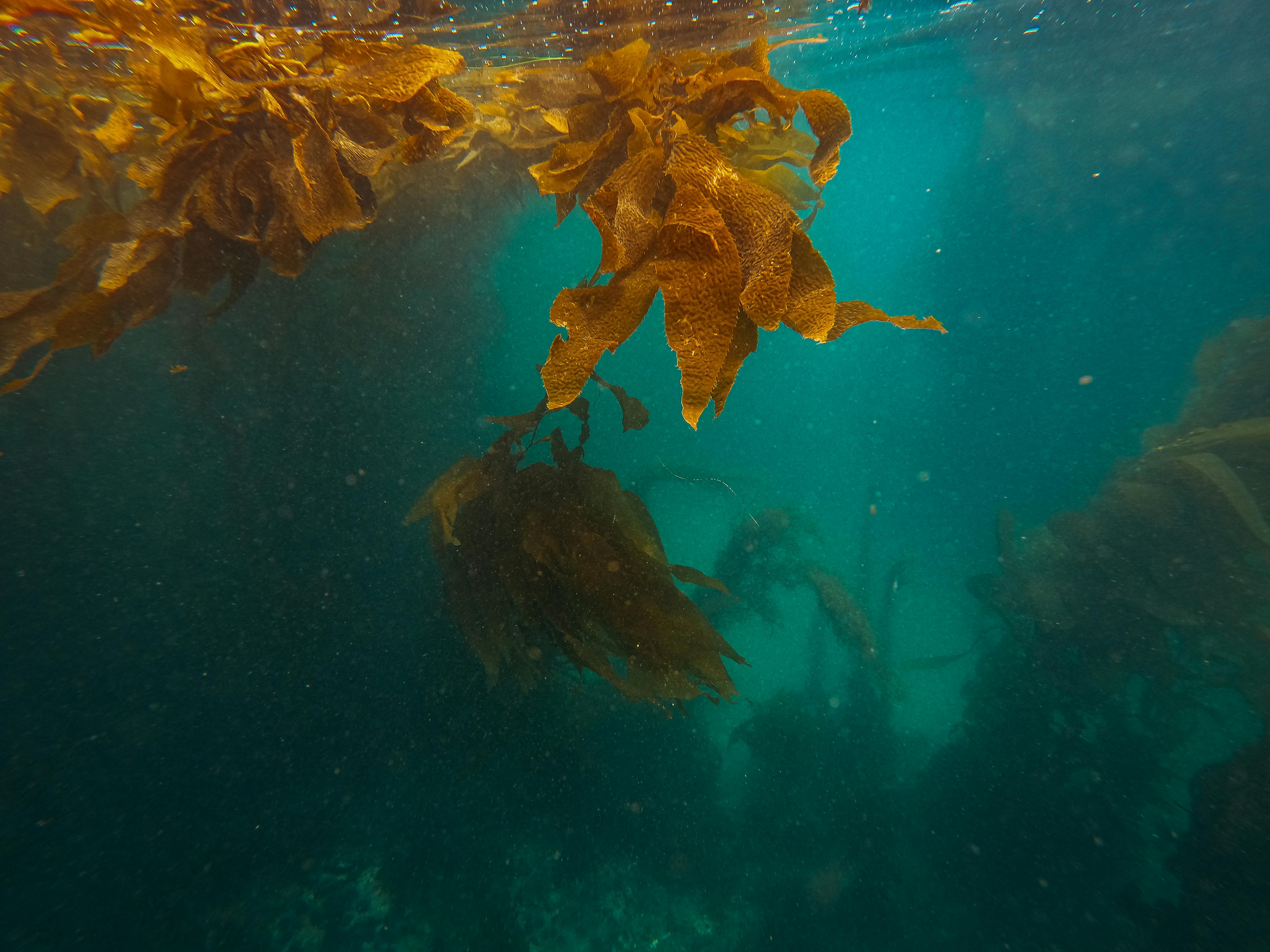
Giant kelp forests are some of the most incredible ecosystems on the planet, thriving in the nutrient-rich waters of the Great Southern Reef. These underwater forests, which can grow up to 60 meters tall, play a crucial role in marine environments, supporting a diverse array of species and helping to combat climate change. However, many people are still unaware of the vital functions these ecosystems serve and the challenges they face.
The Importance of Giant Kelp Forests
Giant kelp forests are not just a beautiful sight. They provide a range of ecological benefits that are essential for maintaining healthy marine ecosystems:
- Habitat for Marine Life: These forests are home to fish, invertebrates, and marine mammals. They provide shelter and food for countless species, including commercially important fish.
- Carbon Sequestration: Kelp absorbs carbon from the atmosphere, helping to mitigate climate change. It is estimated that kelp forests can sequester up to 12 times more carbon per unit area than terrestrial forests.
- Nutrient Cycling: Kelp forests are crucial in nutrient cycling within marine ecosystems. As kelp grows, it absorbs nutrients from the water, which are then redistributed when the kelp decomposes, supporting other marine life.
- Coastal Protection: The physical structure of kelp forests helps to reduce wave energy, protecting shorelines from erosion and storm surges.
Climate Resilience
With climate change impacting marine environments, the resilience of giant kelp forests becomes even more vital. They can adapt to changing conditions, such as increasing temperatures and ocean acidification. Research shows that kelp forests can recover from disturbances more quickly than other marine habitats, making them a key player in maintaining ecosystem stability.
The resilience of these forests is not just about recovery, however. It’s also about their ability to thrive in more challenging conditions. For instance, studies have indicated that some species of kelp can tolerate higher temperatures than previously thought, which could allow them to expand their range as ocean temperatures rise.
The Hidden Wonder of the Great Southern Reef
The Great Southern Reef, stretching along the southern coast of Australia, is home to some of the most extensive and diverse giant kelp forests in the world. Despite their significance, these ecosystems are often overlooked. Here’s why they are considered a hidden wonder:
- Biodiversity Hotspot: The Great Southern Reef hosts thousands of marine species, many of which are found nowhere else on Earth. This includes unique fish, invertebrates, and algae that rely on the kelp forests for survival.
- Cultural Heritage: Indigenous communities have long relied on the resources provided by these forests for food and materials. Their connection to the kelp forests is not just ecological, but also cultural and spiritual.
- Tourism Potential: With the rise of ecotourism, the Great Southern Reef offers opportunities for sustainable tourism ventures that can benefit local economies while promoting conservation.
Threats to Giant Kelp Forests
Unfortunately, giant kelp forests face numerous threats that jeopardise their existence. Some of the most significant threats include:
- Climate Change: Rising sea temperatures and ocean acidification can negatively impact kelp growth and health.
- Pollution: Nutrient runoff and plastic pollution can lead to algal blooms that smother kelp forests and disrupt marine ecosystems.
- Overfishing: Unsustainable fishing practices can deplete key species that help maintain the balance of the ecosystem, allowing kelp to become overgrown or decimated.
Actions for Conservation
To protect these vital ecosystems, several conservation strategies must be adopted:
- Sustainable Fishing Practices: Implementing regulations to ensure fish populations remain healthy is crucial.
- Pollution Control: Reducing nutrient runoff and plastic waste can help improve water quality, benefiting kelp forests.
- Public Awareness Campaigns: Educating the public about the importance of kelp forests can foster support for conservation efforts.
Future Prospects
As we look to the future, the role of giant kelp forests in marine ecosystems will be more critical than ever. They are not just essential for biodiversity, but also for the health of our planet. By understanding and protecting these underwater forests, we can ensure that they continue to thrive, playing their role in climate resilience and maintaining the balance of marine life.
The giant kelp forests of the Great Southern Reef are indeed a hidden wonder, deserving of our attention and protection. As we become more aware of their significance, it is crucial that we take action to safeguard these vital ecosystems for future generations.
The Secrets of Giant Kelp: What Makes the Great Southern Reef’s Underwater Gardens Truly Unique?
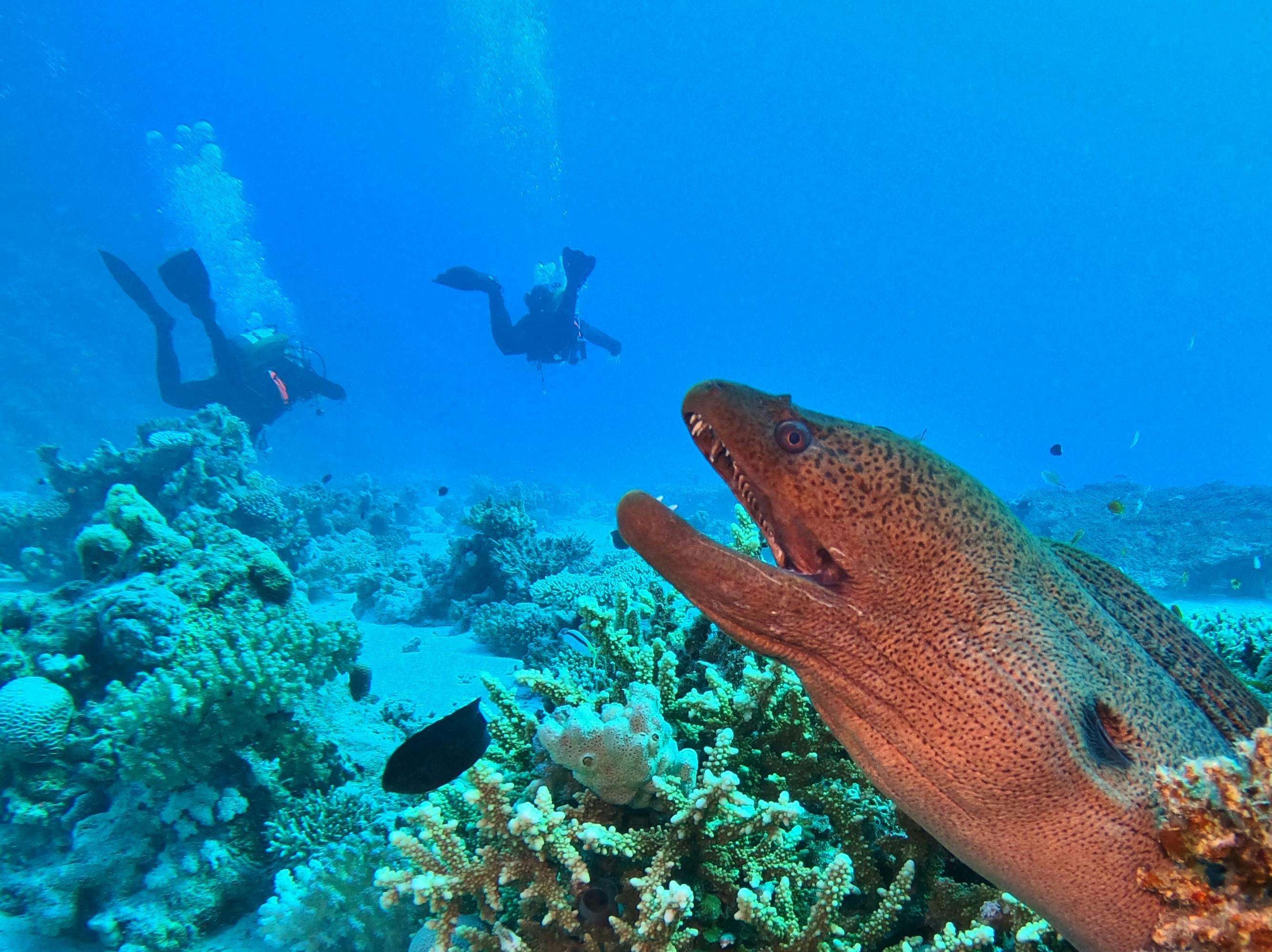
The Great Southern Reef, stretching along the southern coastline of Australia, is home to some of the most remarkable underwater ecosystems, notably the giant kelp forests. These underwater gardens are not just beautiful; they’re crucial for marine biodiversity and ecosystem health. But what makes the giant kelp forests of the Great Southern Reef so unique? Let’s dive into the secrets of these underwater wonders, exploring their significance, biodiversity, and the challenges they face.
The Giant Kelp: A Brief Overview
Giant kelp, scientifically known as Macrocystis pyrifera, is a type of brown algae that can grow at astonishing rates, some say up to half a metre each day under ideal conditions. This species forms dense underwater forests, providing a habitat for a multitude of marine life. It grows in nutrient-rich waters, often thriving in areas where waves are strong but not too turbulent.
- Growth Conditions:
- Requires cool, nutrient-rich waters.
- Thrives in areas with strong currents.
- Prefers shallow depths, often around 10 to 30 metres.
These forests are not just a pretty sight; they support various species, from fish to invertebrates, playing a crucial role in the marine food web.
Biodiversity in Giant Kelp Forests
The biodiversity found within giant kelp forests is astonishing. These ecosystems host a variety of organisms, creating a vibrant community that relies on each other for survival. Some of the key inhabitants include:
Fish Species:
- Snapper
- Morwong
- Juvenile rock lobster
Invertebrates:
- Sea urchins
- Abalone
- Various molluscs
Other Marine Life:
- Sea otters (in regions where they are present)
- Seals and sea lions
- Numerous species of algae and small invertebrates
Each of these species plays a role in the health of the ecosystem. For example, sea urchins can overgraze kelp, leading to “urchin barrens,” which are areas devoid of kelp. This interdependence highlights the delicate balance of these underwater gardens.
The Importance of Giant Kelp Forests
Giant kelp forests serve multiple ecological purposes. They act as nurseries for young fish, provide food and shelter for marine animals, and help in carbon sequestration. In fact, kelp forests are one of the most productive ecosystems on Earth, rivaling terrestrial rainforests.
- Ecological Functions:
- Habitat: Essential for many marine species.
- Carbon Sequestration: Absorb large amounts of CO2.
- Water Quality: Help to filter and oxygenate the water.
Threats to Kelp Forests
Despite their importance, giant kelp forests face numerous threats. Climate change, pollution, and overfishing are just a few of the factors impacting these ecosystems. Warmer ocean temperatures can lead to kelp decline, while nutrient run-off from agriculture can cause algal blooms that suffocate these forests.
- Major Threats:
- Climate Change: Warmer waters lead to reduced growth rates.
- Pollution: Run-off can cause harmful algal blooms.
- Overfishing: Removal of key species disrupts ecosystem balance.
Conservation Efforts
To protect these invaluable ecosystems, various conservation efforts are underway. These include marine protected areas, sustainable fishing practices, and restoration projects. Engaging local communities in conservation initiatives has proven effective, as they often rely on these resources for their livelihoods.
- Conservation Strategies:
- Establishing marine protected areas (MPAs).
- Promoting sustainable fishing practices.
- Restoring degraded kelp habitats.
Exploring the Kelp Forests
Visiting the giant kelp forests can be a mesmerizing experience. Many dive operators offer tours that allow people to explore these underwater gardens. Snorkelling and diving provide a unique perspective on this vibrant ecosystem, showcasing the intricate relationships among marine life.
- Activities to Consider:
- Scuba diving and snorkelling tours.
- Educational programmes about marine conservation.
- Photography opportunities to capture the beauty of kelp forests.
The giant kelp forests of the Great Southern Reef are not just a hidden wonder; they are a testament to the beauty and complexity of marine ecosystems. Understanding their significance, the biodiversity they support, and the challenges they face is crucial for their preservation. By taking steps to protect these underwater gardens, we ensure that future generations can marvel at their beauty and the life they sustain.
As we continue to uncover the secrets of giant kelp, it becomes ever clearer that these forests are essential not only for marine life but for the health of our planet.
Exploring the Threats Facing Giant Kelp Forests: What You Can Do to Help Protect This Hidden Wonder

Giant kelp forests are one of the most remarkable ecosystems on the planet, yet they often remain hidden from the average person’s view. These underwater jungles flourish along the coasts of the Great Southern Reef, which is a biodiverse region stretching from Tasmania to the southern coast of Australia. However, despite their beauty and importance, giant kelp forests faces numerous threats that jeopardise their survival. In this article, we will delve into these threats and explore how individuals can contribute to the preservation of these underwater wonders.
The Importance of Giant Kelp Forests
Giant kelp forests, scientifically known as Macrocystis pyrifera, can grow up to 60 meters tall. They provide essential habitat for a multitude of marine species, including fish, invertebrates, and mammals. They also play a significant role in carbon sequestration, absorbing carbon dioxide from the atmosphere and helping to mitigate climate change. The forests are also vital for coastal protection, acting as a buffer against storm surges and erosion.
Key Benefits of Giant Kelp Forests:
- Biodiversity: Home to a wide variety of marine life.
- Carbon Sequestration: Plays a role in absorbing atmospheric carbon.
- Coastal Protection: Helps reduce erosion and protects shorelines.
- Economic Value: Supports local fisheries and tourism.
Threats Facing Giant Kelp Forests
Giant kelp forests are under siege from various threats, many of which are human-induced. Some of the most significant dangers include:
- Climate Change: Rising sea temperatures can lead to the decline of kelp forests, as they thrive in cooler waters.
- Overfishing: Depletion of key species that help maintain the ecosystem balance can have devastating effects on kelp forests.
- Pollution: Nutrient runoff from agriculture leads to algal blooms, which can smother kelp forests.
- Invasive Species: Non-native species can outcompete kelp for space and resources, further threatening their survival.
- Coastal Development: Urbanisation and industrial development can lead to habitat destruction.
What You Can Do to Help Protect Giant Kelp Forests
While the threats to giant kelp forests may seem overwhelming, there are many actions individuals can take to help protect these vital ecosystems. Here are some practical steps:
- Support Sustainable Seafood: Choose seafood that is sustainably sourced to reduce overfishing pressures.
- Reduce Plastic Use: Minimise the use of single-use plastics to decrease pollution in our oceans.
- Participate in Clean-Up Events: Join local initiatives to clean beaches and coastal areas to prevent pollution.
- Advocate for Policy Changes: Support policies that protect marine ecosystems and promote sustainable practices.
- Educate Others: Share knowledge about the importance of kelp forests and the threats they face within your community.
The Future of Giant Kelp Forests
The future of giant kelp forests is uncertain, but there’s hope. Conservation efforts are underway in many areas, with scientists and activists working together to restore kelp habitats. Restoration projects often involve planting juvenile kelp, managing invasive species, and implementing marine protected areas.
Examples of Successful Kelp Restoration Projects:
- California Kelp Initiative: This project focuses on restoring kelp forests along the California coast through community engagement and scientific research.
- Tasmanian Marine Conservation Program: Aims to protect and restore the Great Southern Reef’s kelp forests by engaging local communities.
A Hidden Wonder Worth Protecting
Giant kelp forests of the Great Southern Reef truly are a hidden wonder of the natural world. Their ecological, economic, and protective benefits make them invaluable, yet they are facing existential threats that require urgent attention. Everyone can play a part in their preservation by making conscious choices in their daily lives.
The threats to these underwater jungles are considerable, but with collective effort, it is possible to ensure their survival for generations to come. By understanding the risks they face and taking action, we can all contribute to safeguarding these incredible ecosystems. So, the next time you think about the ocean, remember the giant kelp forests and the vital role they play in maintaining our planet’s health and balance.
Conclusion
In conclusion, the giant kelp forests of the Great Southern Reef are not only breathtakingly beautiful but also vital ecosystems that support a diverse range of marine life. Throughout this article, we explored the ecological significance of these underwater gardens, highlighting their role in carbon sequestration, habitat provision, and their contribution to local fisheries. Additionally, we discussed the threats posed by climate change, pollution, and overfishing, which jeopardise the health of these vital habitats. As we reflect on the importance of preserving our oceanic treasures, it becomes clear that collective action is crucial. We must advocate for sustainable practices, support marine conservation efforts, and raise awareness about the importance of kelp forests. By doing so, we can ensure that future generations will continue to enjoy and benefit from the extraordinary beauty and ecological value of the Great Southern Reef’s giant kelp forests. Let us act now to protect these underwater wonders.